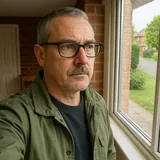
Adam Ramsay-Peaty says he will forgive but not forget family amid ongoing rift
Adam Ramsay-Peaty has said he is prepared to forgive his family but will not forget the past, adding that any reconciliation depends on whether his relatives prove they have improved as people.
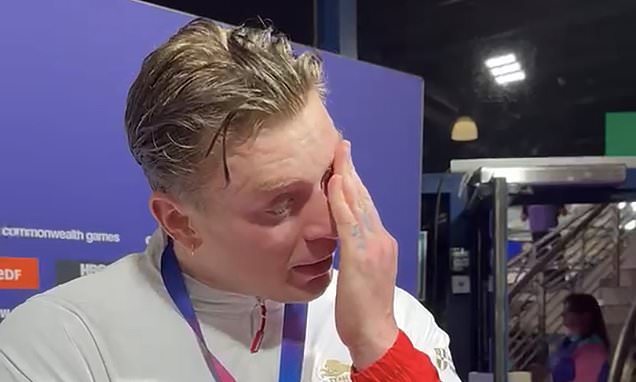
Adam Ramsay-Peaty has spoken out about the continuing rift with his family, insisting that he is willing to forgive those involved but will never forget what has happened. He said the door to reconciliation remains open, but only if his relatives show that they have genuinely improved as people.
He has made clear that he would «forgive but not forget» his family, and he continues to insist that «the truth will come out one day». The choice of words has added fresh attention to the dispute, which shows little sign of ending.
The comments are the latest development in a family dispute that has played out in public. Ramsay-Peaty did not offer details about the origins of the split or the specific behaviour he hopes to see change. Instead, he set out a clear condition: he will only welcome his family back into his life once he feels they have improved as people.
«Forgive but not forget» is a phrase that implies a middle path between holding a grudge and pretending the past did not happen. For Ramsay-Peaty, it appears to mean that he is not closing the door entirely, but he is also not prepared to act as though nothing occurred. He wants the relationship to be rebuilt on a new foundation, not simply patched over.
His belief that «the truth will come out one day» adds to the sense of unfinished business. The remark may be interpreted as a quiet warning, a statement of personal confidence, or a way of telling his side of the story without going into detail now. In the absence of further explanation, however, it remains open to interpretation.
Publicly discussing private family pain carries risks. Once such matters are aired, they can take on a life of their own, with each side scrutinised by outsiders who may not know the full picture. Ramsay-Peaty's wording suggests he is aware of that pressure. He is neither issuing a public attack nor offering unconditional reconciliation.
Family therapists often point out that genuine repair requires more than words. An apology, to be meaningful, needs to be accompanied by consistent changes in behaviour. Ramsay-Peaty appears to share that view, placing accountability at the centre of any possible reunion. His insistence on seeing improvement «as people» signals that he is looking for substantive change rather than an appearance of harmony.
It remains unclear whether his comments were aimed at one particular family member or at the wider family group. Ramsay-Peaty did not say whether he is in contact with any of his relatives or whether the estrangement remains complete. The unresolved nature of the rift means that speculation is likely to continue.
What is clear is that Ramsay-Peaty is setting boundaries. He is prepared to forgive, but not without conditions, and not by erasing the past. As he waits to see whether his family changes, he seems determined to protect his own emotional wellbeing.
The situation may now quieten down, or it may deepen if family members respond. Either way, Ramsay-Peaty has made his position public: the door is open, but it will not swing fully open until he sees the people on the other side in a new light. He remains sure that the truth will eventually be known. Until then, he will hold his ground.