
Four jailed over Heathrow tear gas attack that left people vomiting blood
Four men have been sentenced for their roles in a tear gas attack at Heathrow Terminal 3 that forced the airport to close for hours and left victims hospitalised, coughing and vomiting blood.
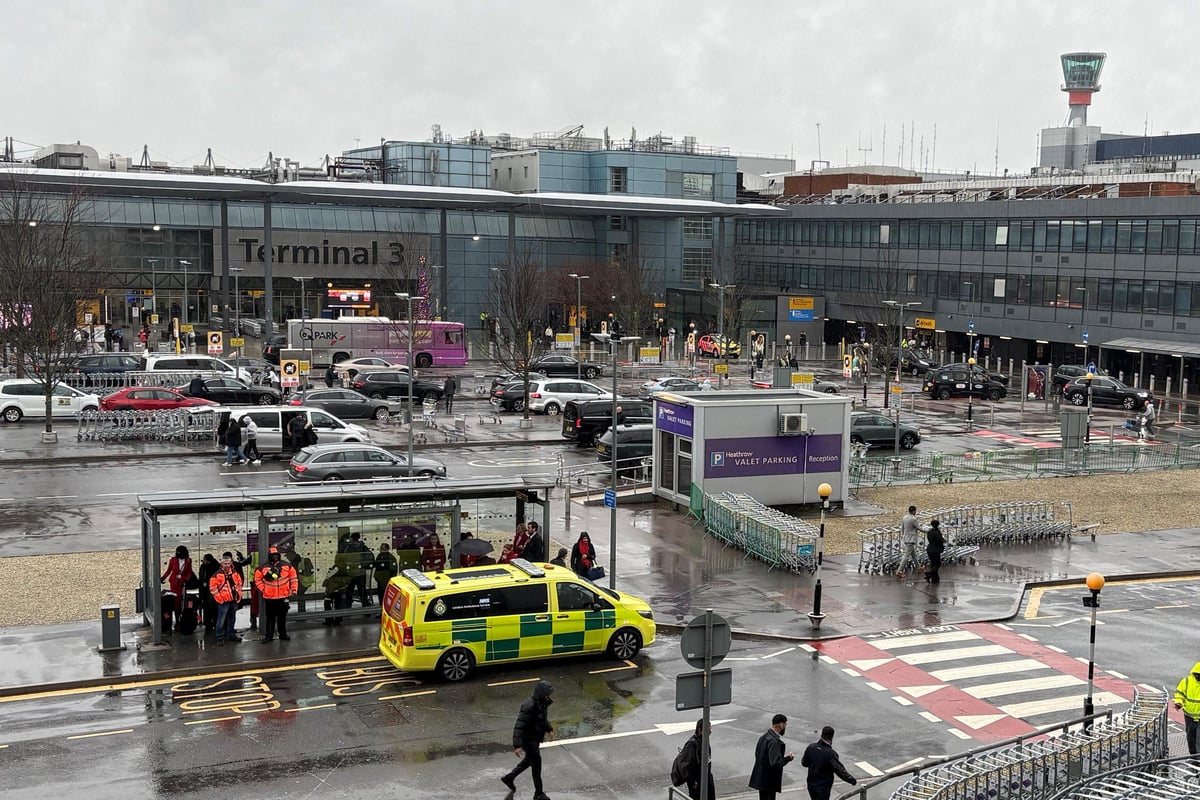
Four men have been jailed for their part in a tear gas attack at Heathrow Airport that forced the closure of Terminal 3 for several hours and left members of the public hospitalised, coughing, choking and vomiting blood.
The incident, which took place in a car park at the airport, saw tear gas sprayed directly into the face of a woman whose suitcase was then taken. Bystanders were caught in the fallout, with some requiring hospital treatment after the chemical agent spread through the area.
The severity of the attack prompted the shutdown of Terminal 3, one of the airport's main passenger terminals, disrupting flights and causing widespread chaos for travellers. The terminal remained closed for hours while emergency services responded and authorities worked to secure the scene.
Four individuals have now been sentenced in connection with the attack. The court heard how the incident left victims struggling to breathe, with some describing the sensation of vomiting blood as a result of exposure to the tear gas.
The attack raised serious concerns about security at one of the UK's busiest transport hubs. Heathrow, which handles tens of millions of passengers each year, is a critical piece of national infrastructure, and any incident that forces the closure of a terminal has significant knock-on effects for airlines, passengers and the wider economy.
The sentencing brings a legal conclusion to a case that highlighted the vulnerability of public spaces to chemical irritants and the potential for such attacks to cause mass disruption. The four men now face time behind bars for their roles in an incident that left a lasting impact on those caught up in it.
Details of the sentences handed down have not been fully disclosed, but the jailing of all four defendants marks the end of a prosecution that centred on the use of a banned or restricted substance in a crowded public area. The case is likely to inform future security planning at major transport hubs across the country.