Jury in Tommy Robinson harassment trial told not to live in a vigilante world
Prosecutors have urged jurors to convict the far-right activist Tommy Robinson of harassing two Daily Mail journalists, telling the court that the case is about whether Britain tolerates intimidation rather than a vigilante culture.
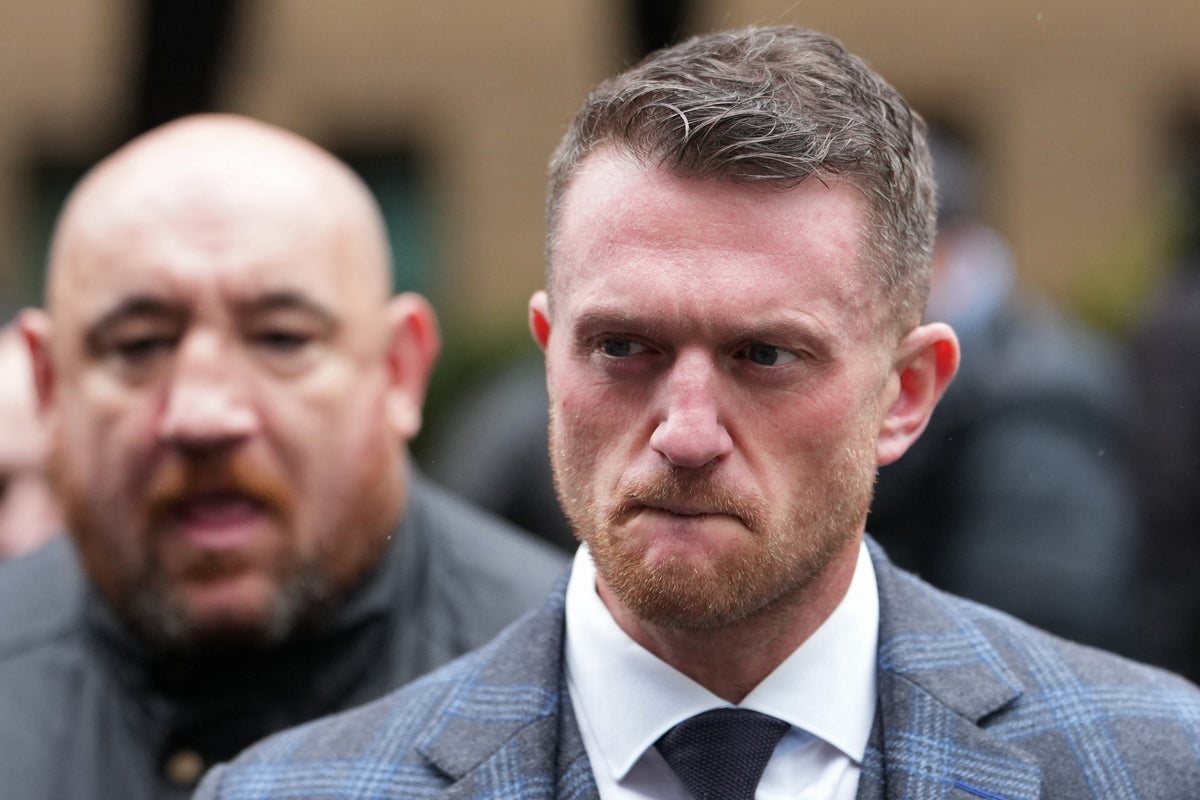
Jurors in the trial of Tommy Robinson have been urged to convict the far-right activist of harassing two Daily Mail journalists, with the prosecution warning that a verdict in his favour would amount to accepting a «vigilante world» in which people are free to threaten those who write about them.
Robinson is accused of harassing the two journalists, causing them to fear violence, after they published articles about his alleged role in influencing the riots that spread across England in the summer of 2024. The prosecution case centres on a video Robinson posted online in which he addressed the journalists directly, said he had obtained details of where they and their families lived, and warned them to abide by «men’s rules».
In closing remarks to the jury, the prosecution argued that Robinson’s own words demonstrated an intent to intimidate rather than to engage in legitimate debate. The court heard that the video was not a piece of political commentary but a direct threat aimed at journalists carrying out their work, and that the law does not permit individuals to take enforcement into their own hands simply because they dislike what has been written about them.
The prosecution told jurors that the case raised a broader question about the kind of society Britain wants to be, and that finding Robinson not guilty would signal that people can be threatened and intimidated with impunity. The jury was urged not to let Robinson «live in a vigilante world» when considering its verdicts, and to judge the evidence on the basis of the criminal law rather than on sympathy for or hostility towards the defendant.
Robinson, whose real name is Stephen Yaxley-Lennon, has been a prominent figure on the British far right for more than a decade and has a long history of confrontations with the media and with the courts. The trial has attracted attention because it pits a well-known activist against journalists who say they were targeted because of their reporting, and because it touches on the wider question of how far public figures can go in attacking the press.
The defence has argued that Robinson’s video was not intended to cause fear and that he was exercising his right to free expression in criticising journalists whose coverage he regarded as unfair. The jury is expected to consider the evidence and return its verdicts after the judge has completed summing up the case.
The outcome will be watched closely by media organisations and free-speech campaigners, who have warned that intimidation of journalists undermines the ability of the press to report on matters of public interest. The prosecution’s closing argument rested on the principle that disputes over coverage should be settled through the law and public debate, not through threats directed at individuals and their families.
5