
McLaren confirms £500m investment for SUV and second UK factory
McLaren has secured £500 million from Abu Dhabi's L'IMAD to fund a new SUV model line, a second UK assembly plant, in-house engine development and 4,000 jobs, marking a major expansion for the Woking supercar maker.
McLaren will build a performance SUV in Britain and open a second UK assembly plant as part of a £500 million investment from Abu Dhabi government investment arm L'IMAD, the company has confirmed. The expansion will fund new model lines, two bespoke combustion engines and significantly higher production volumes, creating at least 4,000 jobs.
The investment, disclosed by the Woking-based supercar manufacturer, marks the first firm details of its transformation since merging with EV start-up Forseven in early 2025. L'IMAD is McLaren's new owner, having absorbed CYVN Holdings, which acquired the sports car firm from Bahraini wealth fund Mumtalakat in late 2024 and promptly merged it with Forseven.
McLaren's chief operating officer Michael Straughan said the company has a ten-year roadmap that gives it confidence. «There's a roadmap for about the next 10 years that gives us real confidence. We've got a growth plan and a delivery perspective on how we can get to where we want to get to,» he said. «This isn't empty words — this is a firm plan, and we'll be held to task against the plan, and rightly so.»
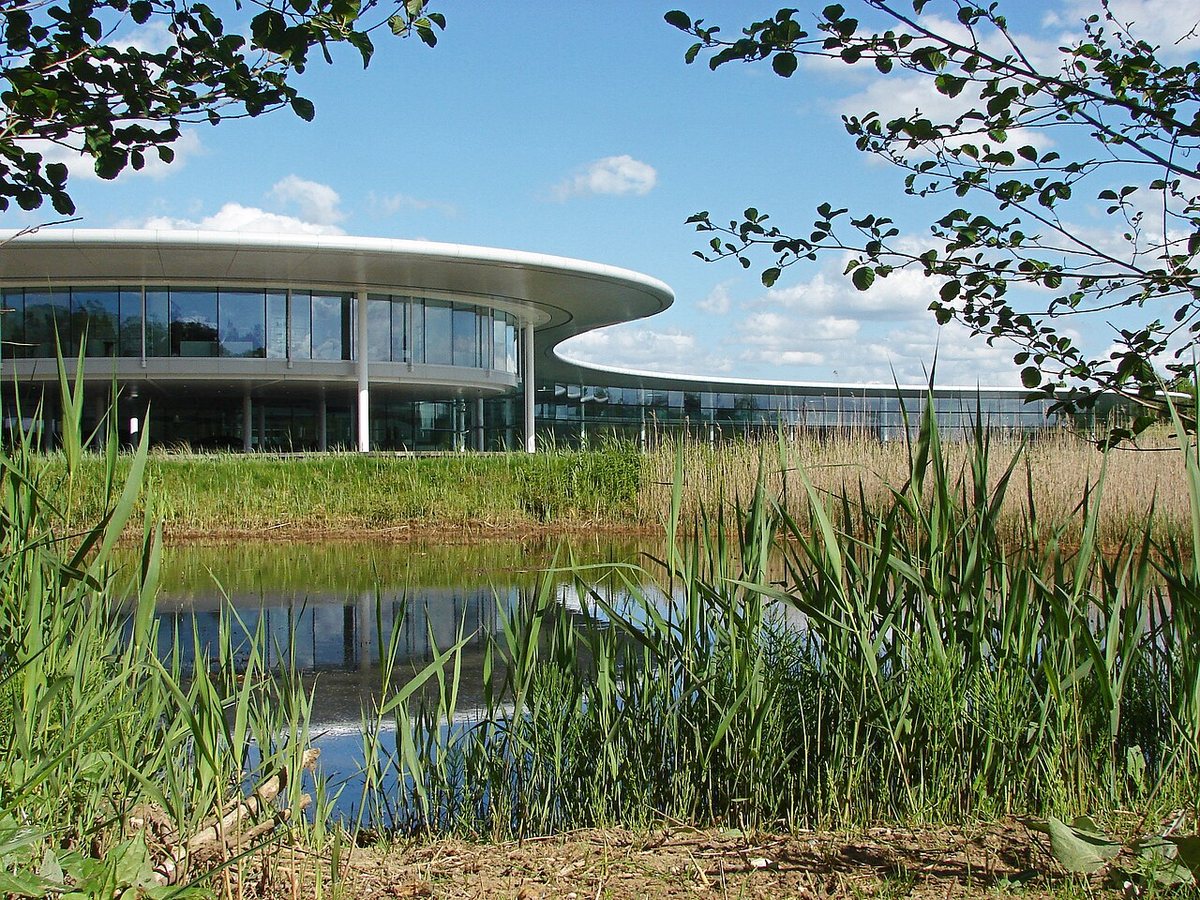
The £500m injection forms part of a «larger commitment» to McLaren's future, though L'IMAD has not indicated the scope of any further investments. The money will develop future models and expand UK production, chiefly through a second assembly facility to supplement the McLaren Production Centre in Woking, which built around 2,000 cars in 2025.
McLaren has not revealed the location of the new plant, but said it forms part of a plan to «ensure the next generation of McLaren Automotive cars are built in Britain» — including the long-awaited SUV, which is in advanced planning ahead of a launch before 2030. Straughan explained that moving into new segments makes extra capacity necessary: «No longer will we be only rear-engined, rear-wheel-drive cars. There's going to be front-engined, and either four-wheel drive or perhaps rear-wheel drive in the future. It's very difficult off one assembly line, so we need another assembly line — wherever we decide to put that.»
He added that McLaren would not build cars on a line within another manufacturer's UK factory because «low volume is quite disruptive to an OEM's larger volumes», so the new facility will be all-new and bespoke. The main Woking factory will also be expanded, as will the firm's carbonfibre facility in Sheffield.
Significantly, McLaren will bring engine development and production in-house for the first time, having previously bought engines for all its road cars — primarily from Shoreham-based engineering firm Ricardo, which has powered core models since McLaren's relaunch with the 12C in 2011. The first results are a pair of new combustion engines and associated gearboxes, which McLaren says will support its hybrid engine strategy without revealing technical specifications.
Altogether, the new models, production operations and development programmes are estimated to create at least 1,000 jobs within and around McLaren, with another 3,000 added across the supply chain. The announcement comes days after JLR, the UK's biggest automotive employer, said it would cut 4,000 jobs globally as part of a radical cost-cutting initiative. Straughan acknowledged there was «a skilled workforce out there» that could fill some Woking vacancies, but noted that while McLaren «will reach out» to affected JLR employees, «not everybody travels well to Surrey from the Midlands». He said the priority was to «grow our own» through apprenticeships, graduate schemes and internships that «turn into full-time jobs».
The confirmation of a McLaren SUV ends years of speculation. McLaren is the last mainstream luxury and sports car manufacturer without an SUV, having doubled down on supercars while rivals pushed for higher volumes with models such as the Ferrari Purosangue, Aston Martin DBX and Lamborghini Urus. Following the Forseven merger, the company pledged to expand beyond the mid-engined supercars it has made exclusively since its founding, but only now has it confirmed a «performance SUV» is among upcoming models.
Set to be powered by one of McLaren's new self-developed hybrid powertrains and launched by 2030, the unnamed model will rival the DBX and Purosangue but is tipped to remain more supercar than luxury car. Straughan revealed it could stay true to McLaren tradition by being built around a carbon tub, like its mid-engined stablemates. «It's one of the discussions we're having at the moment, because nobody has ever done» a carbon-tubbed SUV at scale, he said, underscoring the technical ambition behind the expansion.