
Kosovo's former president Thaçi jailed for 25 years by Hague court
Hashim Thaçi, Kosovo's former president, has been sentenced to 25 years in prison by an international court in The Hague for war crimes committed during the 1990s conflict with Serbia. The verdict marks a landmark moment for post-war justice in the Balkans.
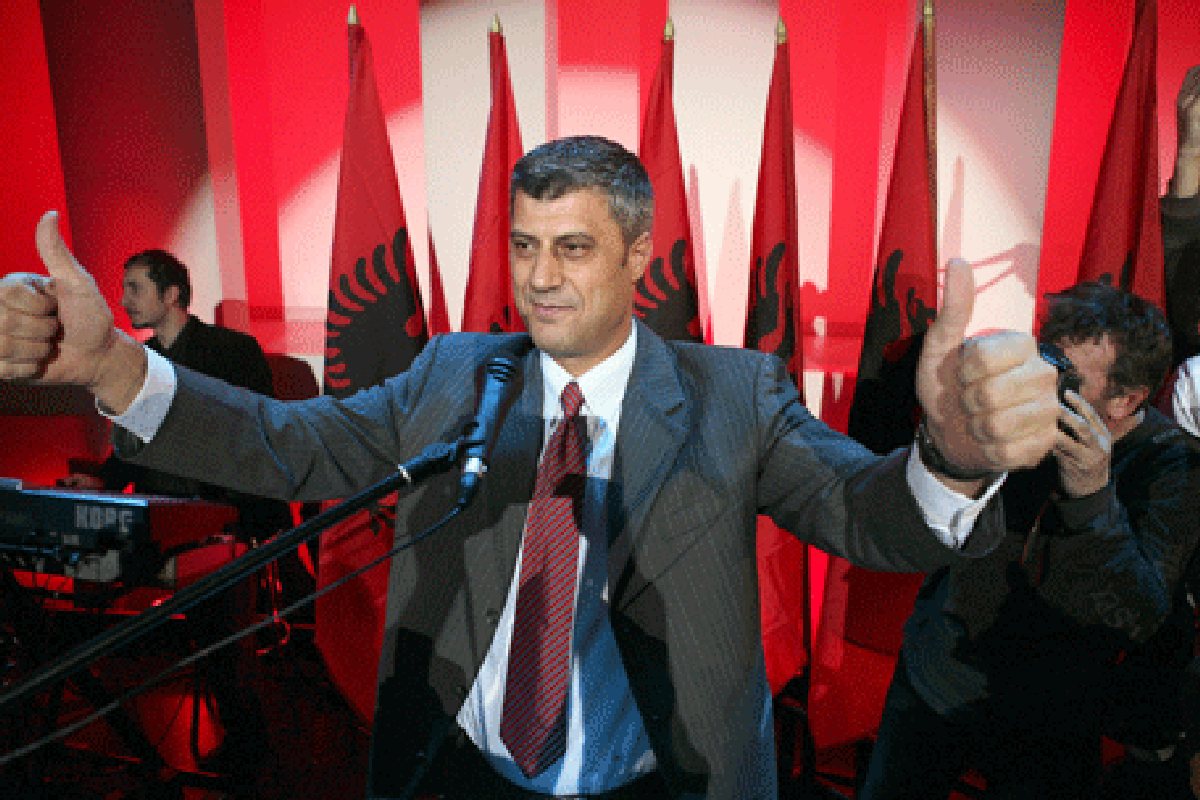
Hashim Thaçi, the former president of Kosovo, has been sentenced to 25 years in prison by an international court in The Hague after being convicted of war crimes and crimes against humanity. The judgment, delivered by a panel of judges, holds Thaçi criminally responsible for murder, torture and other atrocities committed during Kosovo's violent break from Serbia in the 1990s.
The court found that Thaçi, who served as Kosovo's president from 2016 until his resignation in 2020, was a key figure in a campaign of violence that targeted political opponents and ethnic minorities during and after the 1998-1999 conflict. The charges related to his role in the Kosovo Liberation Army (KLA), which fought Serbian forces for independence. The verdict is one of the most significant war crimes rulings to emerge from the Balkan conflicts of the 1990s.
The sentencing was handed down by the Kosovo Specialist Chambers, a court based in the Netherlands that operates under international law and was established to try crimes committed during and after the Kosovo war. The panel of judges found Thaçi guilty on multiple counts, including murder and torture. The court's decision follows a lengthy trial that examined evidence of systematic abuses carried out by KLA members against civilians and detainees.
The conviction marks a dramatic fall for a leader who was once hailed as a hero of Kosovo's independence struggle. Thaçi was a founding member of the KLA and later became a prominent politician, serving as prime minister and then president. His indictment in 2020 forced him to step down from office, and he has been in detention in The Hague since then. The 25-year sentence is among the longest handed down by the court.
Reactions to the verdict have been mixed. In Kosovo, some see the ruling as a painful but necessary step toward accountability, while others view it as an unjust targeting of the country's liberation heroes. The court's proceedings have been closely watched across the Balkans, where wartime legacies remain deeply divisive. The verdict could strain already fragile relations between Kosovo and Serbia, which have been engaged in EU-brokered normalisation talks.
The sentencing comes amid broader political developments in Europe. On the same day, European Commission President Ursula von der Leyen said that «kickstarting Europe's economy is our number one priority», stressing the need to tap into the single market's potential. She warned that the bloc's internal market remains too fragmented and called for further reforms, aiming to complete the single market by the end of next year. Von der Leyen also framed the moment as a test for European democracies, asking whether citizens would «rally around our European idea that together we can decide our own destiny» or allow «our democracies to be undermined by the proxies and puppets of authoritarians». She noted that threats ranging from ultra-nationalism to Russian interference and disinformation may have different names but share the same goal.
Thaçi's conviction is expected to have lasting implications for Kosovo's political landscape and its international standing. The court's ruling underscores the continued relevance of international justice in addressing crimes committed during the Yugoslav wars. For victims and their families, the verdict may offer a measure of closure, though the deep wounds of the conflict remain. The case also highlights the challenges of pursuing accountability for wartime leaders who later assume high office.
The Kosovo Specialist Chambers, which is formally part of Kosovo's judicial system but staffed by international judges and prosecutors, has faced criticism from some quarters in Kosovo who view it as biased. However, its supporters argue that it provides an independent avenue for justice that local courts might be unable to deliver. The court has previously convicted other former KLA commanders, and further trials are ongoing.
Thaçi's legal team is expected to appeal the verdict. Under the court's rules, appeals can be filed within a set period, and the process could take years to resolve. Until then, Thaçi will remain in detention in The Hague. The sentence will be served in a prison facility designated by the court, likely in a European country that has agreed to accept convicted war criminals.
The ruling has drawn international attention, with human rights organisations welcoming the conviction as a step toward ending impunity for war crimes in the Balkans. The European Union, which has a major stake in the region's stability, has not yet issued a formal statement on the verdict, but officials are likely to monitor the reaction closely. The outcome may influence the pace of Kosovo's EU accession path, which remains stalled amid unresolved issues with Serbia.