
US launches Operation Economic Outcast as Iran's economy buckles under inflation
Washington's new sanctions campaign, Operation Economic Outcast, targets Iran's financial system as the country grapples with soaring food prices, fuel station closures and currency depreciation.
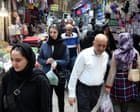
The United States has launched a new sanctions campaign against Iran, named Operation Economic Outcast, at a moment when the country's economy is already buckling under runaway food inflation, closed petrol stations and a rapidly depreciating currency. For many Iranians, the fresh measures appear superfluous given the grim reality they already face in their daily lives.
The campaign, announced by the administration of President Donald Trump, is expected to push many Iranians into deeper poverty as the cost of basic goods continues to climb. The country's lack of foreign exchange reserves has left the national currency on a seemingly never-ending downward slide, compounding the hardship for ordinary households already struggling to afford essentials.
Operation Economic Outcast is designed to intensify pressure on Tehran's financial infrastructure, with Washington signalling that further measures are in the pipeline. Treasury Secretary Scott Bessent has told the Associated Press that the US plans to sanction another bank in an effort to clamp down on Iran's transactions, a move that would tighten the noose around the country's already strained banking sector.
The timing of the campaign has drawn attention because Iran's economy was already in crisis before the latest measures were announced. Food inflation has been running at levels that make staple goods increasingly unaffordable for a significant portion of the population, while petrol stations in several areas have been forced to close, disrupting transport and daily commerce. The currency's depreciation, driven by dwindling foreign exchange reserves, has eroded purchasing power and fuelled public frustration.
Analysts have begun to question whether the new sanctions push will achieve its stated objectives. Commentators at Al Jazeera have pointed to the looming failure of Operation Economic Outcast, arguing that the campaign may not deliver the pressure Washington hopes for while inflicting further suffering on the Iranian public. The debate highlights a broader tension in Western policy towards Tehran: how to constrain the regime without exacerbating the humanitarian toll on its citizens.
The sanctions come amid a wider international focus on economic measures as a tool of statecraft. The term "economic sanctions" has become a central part of the diplomatic vocabulary, with governments and observers alike weighing the effectiveness of such campaigns against their unintended consequences. In Iran's case, the combination of internal mismanagement and external pressure has created a perfect storm that shows little sign of abating.
For the Iranian public, the immediate outlook remains bleak. The closure of petrol stations has already disrupted daily life, and the prospect of further banking restrictions threatens to complicate even routine financial transactions. With food prices soaring and the currency in freefall, the new US campaign risks deepening a crisis that was already severe before Washington's latest move.
The international community will be watching closely to see whether Operation Economic Outcast forces a change in Tehran's behaviour or merely adds to the suffering of a population caught between domestic economic failure and foreign pressure. Either way, the coming months are likely to test both the resilience of Iranians and the limits of sanctions as a policy instrument.
51