Trump Cancels Public Livestream of Fort Hood Shooter's Firing Squad Execution
US President Donald Trump has reversed plans to broadcast the firing squad execution of Nidal Malik Hasan, the man convicted of killing 13 people at Fort Hood in 2009, following widespread condemnation.
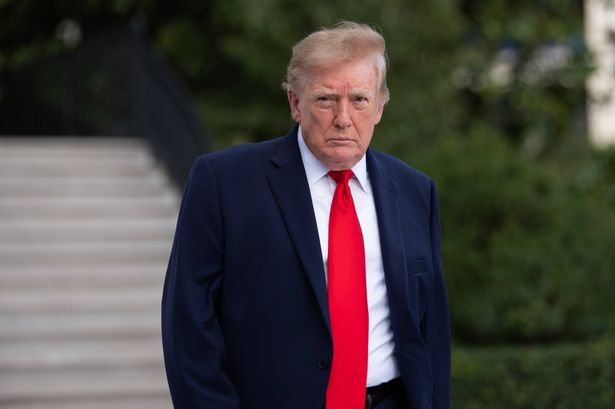
US President Donald Trump has confirmed that the execution of Nidal Malik Hasan, the man convicted of the 2009 Fort Hood shooting, will not be publicly livestreamed. The decision reverses an earlier announcement by Defence Secretary Peter Hegseth that the firing squad execution would be broadcast to the public.
Hasan, a former US Army psychiatrist, was convicted of killing 13 people and wounding more than 30 others at the Fort Hood military base in Texas in November 2009. He was sentenced to death and has been on death row since 2013. The planned execution by firing squad would have been the first of its kind in decades at the federal level, and the proposal to livestream it drew international condemnation from human rights groups, legal experts, and political figures.
Trump announced the reversal on Truth Social, stating that «people would rather not watch him die». The president confirmed that the execution would still proceed, but it would not be made available for public viewing. The decision marks a significant retreat from a plan that had been widely criticised as unprecedented and potentially unlawful.
The original plan to livestream the execution was announced by Defence Secretary Peter Hegseth, who had argued that transparency was essential in a case of such magnitude. However, the proposal quickly sparked a global backlash, with critics arguing that broadcasting an execution would amount to state-sanctioned violence as entertainment and could violate international norms against cruel and degrading treatment.
Hasan, who is paralysed from the waist down after being shot during his capture, has been described as a disabled man by his legal team. His execution by firing squad would have required special accommodations, and the livestream would have raised complex ethical and logistical questions. The reversal means the execution will now take place away from public view, though the method of execution remains unchanged.
The case has reignited debates over the death penalty in the United States, particularly in high-profile cases involving military personnel and acts of terrorism. Hasan's attack at Fort Hood was one of the deadliest mass shootings on a US military installation. He was convicted on 13 counts of premeditated murder and 32 counts of attempted premeditated murder.
Trump's decision to cancel the livestream comes after mounting pressure from both domestic and international observers. The White House has not issued further details on the timing of the execution or whether any other aspects of the case will be made public. The president's statement on Truth Social did not elaborate on the reasons behind the reversal beyond his remark that people would rather not watch.
The execution itself is expected to proceed as scheduled, though no specific date has been confirmed. Legal experts suggest that the cancellation of the livestream does not affect the legality of the execution, but it does remove a layer of public scrutiny that had been demanded by some transparency advocates. Others argue that the initial plan was a breach of decency and that the reversal is a return to standard practice.
Hasan's case has been the subject of extensive legal appeals over the past decade. His defence team has previously argued that his mental state at the time of the attack should have precluded the death penalty. Those appeals have been exhausted, and the execution is now moving forward. The decision to cancel the livestream may reduce the international attention on the case, but it does not resolve the underlying controversies surrounding the death penalty and the treatment of disabled prisoners.
The reversal also highlights the influence of public opinion on high-profile executions. In recent years, several states have moved to restrict public access to executions, citing privacy concerns for victims' families and the dignity of the condemned. The federal government had not carried out an execution by firing squad in modern times, making the original plan particularly unusual. With the livestream cancelled, the execution will be carried out in a more conventional manner, though the debate over its appropriateness is far from over.
3