Shadow Chancellor Andrew Griffith Warns Labour Against Tax Rises and Red Tape for Small Businesses
In his first major speech as Shadow Chancellor, Andrew Griffith will caution Labour against imposing tax rises and regulatory burdens on small businesses, while urging the Government to do more to support entrepreneurs and the self-employed.
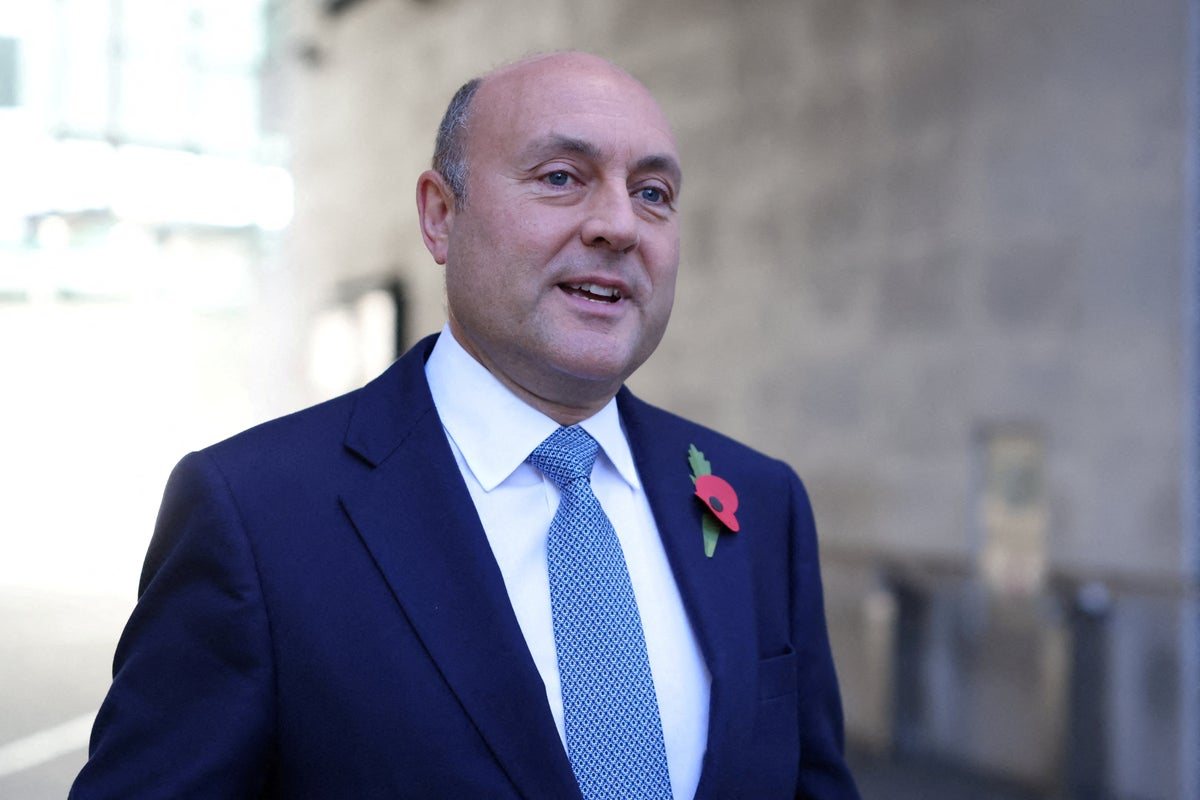
Andrew Griffith, the Shadow Chancellor, is set to use his first major speech to warn Labour against raising taxes and increasing red tape for small businesses, arguing that such measures would stifle growth and burden entrepreneurs. The intervention places the Conservative Party firmly on the side of small firms and the self-employed, framing Labour as a threat to their viability.
In the address, Griffith will call on the Government to take further steps to help small businesses and self-employed people, insisting that current support falls short of what is needed. He is expected to highlight the vital role these enterprises play in job creation, innovation, and community resilience, and to argue that any additional tax or regulatory pressure would undermine their ability to contribute to the economy.
The speech comes amid ongoing debate over the UK's fiscal direction, with business groups repeatedly voicing concerns about rising costs, complex compliance requirements, and uncertainty over future tax policy. By focusing on small businesses, Griffith aims to draw a clear contrast between the Conservatives' approach and Labour's, positioning his party as the champion of enterprise and aspiration.
Griffith's decision to make this his first major speech as Shadow Chancellor signals that small business support will be a central plank of the Conservative opposition's economic message. He is likely to argue that lower taxes and simplified regulation are essential to unlocking investment and productivity, particularly for the self-employed and micro-enterprises that often lack the resources to navigate bureaucratic hurdles.
The warning also serves as a pre-emptive strike against any potential Labour plans to increase taxes on business or introduce new employment regulations. Griffith will urge the Government to go further in cutting red tape, improving access to finance, and reducing the administrative burden on small firms, which he contends are the backbone of the British economy.
While the speech does not introduce new policy proposals, it reinforces the Conservative Party's commitment to a low-tax, pro-enterprise agenda. By directly addressing small business owners and the self-employed, Griffith seeks to consolidate support among a key electoral demographic that has felt squeezed by recent economic pressures.
The timing of the intervention suggests that the Conservatives intend to keep the spotlight on Labour's economic record and its implications for small businesses. As the political battle over tax and regulation intensifies, Griffith's remarks will likely fuel further debate about how best to support the UK's entrepreneurial ecosystem.