Nato chief warns of most dangerous security environment in a generation
Mark Rutte has called for more UK and European defence contributions during his first meeting with new Prime Minister Andy Burnham, who pledged unwavering support for the alliance.
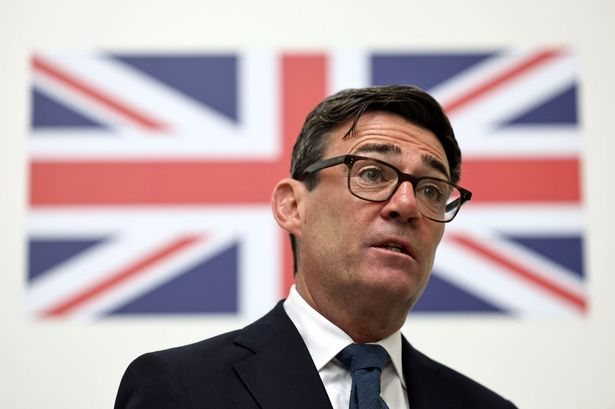
Nato Secretary General Mark Rutte has warned that the Western military alliance faces its most dangerous and complex security environment in a generation, calling on the United Kingdom and Europe to provide the hard power the organisation requires.
Speaking during a visit to the UK, Rutte said the 32-country alliance needs «more UK and more Europe» to confront the geopolitical uncertainty it now faces. His remarks came after a meeting with new Prime Minister Andy Burnham, the first face-to-face encounter between the two since Burnham took office.
Rutte praised Britain for promising to increase defence spending in line with demands from the United States, but argued that the military and financial effort must be sustained into the future. The Nato chief also wished Burnham good luck in his new role as the two leaders discussed defence issues.
Burnham, who became prime minister following a change in Downing Street, used the meeting to reaffirm Britain's commitment to the military alliance. He said that despite the change in leadership, the UK remained steadfast in its support for Nato in the face of growing threats from Russia and China.
The Prime Minister described his support for the alliance as «unwavering» and stressed that Britain would continue to play a leading role in European security. His comments were intended to reassure allies that the new government in London would not waver in its defence commitments.
The meeting between Rutte and Burnham marks an early test of the new prime minister's approach to international security. With the war in Ukraine continuing and tensions with Russia and China mounting, Nato members are under pressure to boost their military capabilities and spending.
Rutte's call for greater UK and European contributions reflects a broader push within the alliance for members to share more of the defence burden. The United States has repeatedly urged European allies to increase their military budgets, and Britain's pledge to raise defence spending is seen as a key part of that effort.
The Nato secretary general's warning underscores the scale of the challenges facing the alliance. From Russia's aggression in Ukraine to China's growing military assertiveness, Western leaders are grappling with a security landscape that many describe as the most volatile since the Cold War.
Burnham's first meeting with Rutte is likely to set the tone for the UK's relationship with Nato under his premiership. His promise of unwavering support suggests continuity in Britain's defence policy, even as the political leadership changes.
The two leaders did not announce any new specific defence commitments following their talks, but Rutte's emphasis on sustained effort indicates that Nato expects long-term contributions from its members. The alliance's ability to deter and defend against emerging threats will depend on whether countries like the UK and others in Europe can deliver on their spending pledges.
As the security environment grows more complex, Nato's unity and readiness will be tested in the months ahead. Rutte's visit to London and his message to the UK government signal that the alliance is looking to its largest European members to lead by example.