MI5 Monitored NHS Founder Nye Bevan for Decades Over Communist Links
Newly released National Archives files show MI5 kept Aneurin «Nye» Bevan under surveillance for more than two decades over concerns about his associations with communists, though officials privately judged his personal file «remarkably tame».
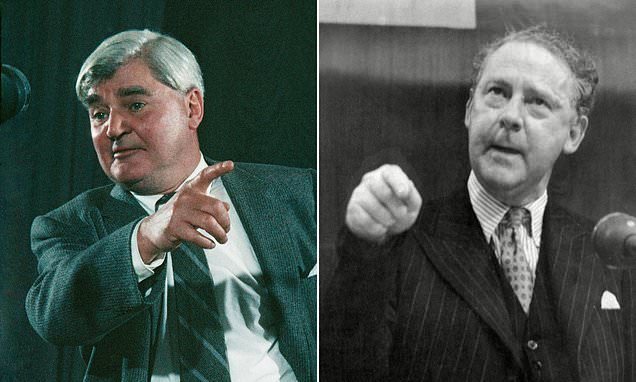
MI5 monitored Aneurin «Nye» Bevan, the Labour minister who founded the National Health Service, for more than two decades over concerns about his links to communists, according to official files released to the National Archives. The surveillance began in the 1930s and continued even after Bevan entered government in the postwar Labour administration that created the NHS.
The papers show that Bevan first came to the attention of the security service amid concern about his associations with prominent communists. Monitoring persisted as party leaders worried that the Labour movement was riddled with communist sympathisers, and Bevan's profile as a Welsh Labour firebrand made him a figure of sustained interest to the security services.
Despite the length of the surveillance, the released material suggests the file was less dramatic than the scale of the monitoring might imply. The National Archives described Bevan's personal security file as «remarkably tame», and some within the UK's security services questioned why the Welsh politician had been of interest at all.
The disclosure places Bevan alongside other mid-century political figures whose private and political associations were scrutinised during the Cold War. Bevan was one of the most important ministers of the postwar Labour government, and his role in establishing the NHS has made him a defining figure in British social policy. The files indicate that his political connections, rather than any specific allegation of espionage, drove the long-running attention.
The release also casts light on the internal anxieties of the Labour Party in the 1930s and 1940s, when leaders feared communist influence within the movement. Bevan's willingness to associate with figures on the left made him a natural subject of interest for a security apparatus alert to Soviet sympathies.
The papers have now been made public through the National Archives, offering historians and the public a fuller picture of how the security services treated a senior minister whose domestic legacy remains central to British political life.
9