
Tesla Faces Investor Scrutiny as Musk Floats SpaceX Merger
Elon Musk has said there is «a lot of merit» in combining Tesla with SpaceX, prompting both boards to set up special committees as investors await the carmaker's third-quarter earnings call.
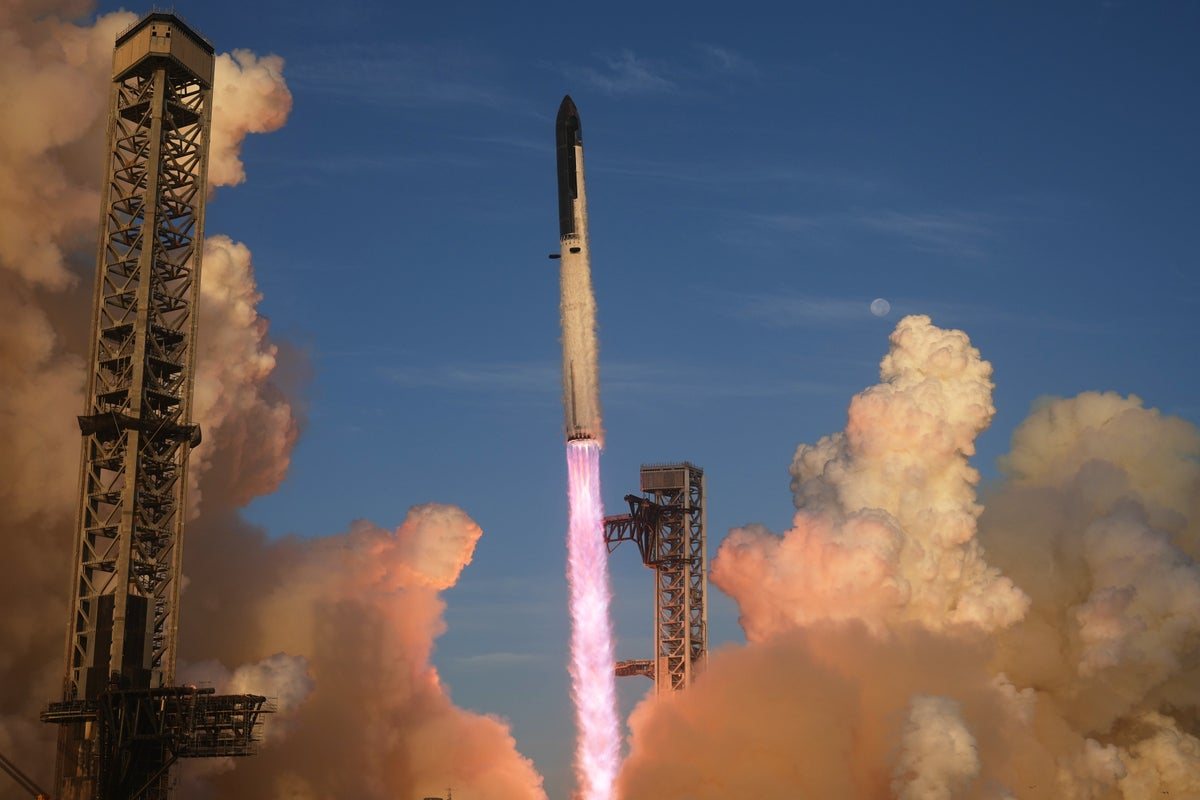
Tesla investors are turning their attention to the company's third-quarter earnings call after chief executive Elon Musk publicly raised the prospect of merging the electric carmaker with SpaceX, his rocket and artificial intelligence business. Musk told SpaceX investors that combining the two companies had considerable appeal, setting up a possible transaction that would reshape one of the world's most closely watched corporate empires.
Speaking on a call with SpaceX investors, Musk said: «There's a lot of merit to combining the companies.» He disclosed that the boards of both businesses have established special committees to examine a potential merger, though he cautioned that no agreement has yet been reached on the terms of any deal. The structure of such a transaction would require the approval of 50% of all Tesla shareholders, a significant threshold that would put the decision directly in the hands of the carmaker's investor base.
The disclosure comes at a delicate moment for Tesla, which is due to report its third-quarter results on Wednesday. Investors have been pressing for clarity on the company's strategy as competition in the electric vehicle market intensifies and as Musk's attention has been divided across several ventures. The earnings call is now expected to be dominated by questions about whether a merger with SpaceX is a serious plan or a preliminary idea floated to gauge reaction.
Shares in both companies rose on Wednesday following Musk's comments, with markets reacting to the possibility of a combination that would create a trillion-dollar entity and potentially rank as one of the largest corporate deals ever attempted. The scale of the proposed tie-up reflects the growing overlap between Musk's businesses, which span electric vehicles, space launch, satellite communications and artificial intelligence.
For Tesla shareholders, the proposal raises immediate questions about valuation, governance and the strategic logic of folding a carmaker into a rocket and AI company. The 50% approval requirement means Musk cannot proceed without broad support from investors beyond his own stake, giving institutional and retail shareholders substantial leverage over the outcome. The special committees established by both boards are expected to examine how such a transaction would be structured and what it would mean for each company's existing operations and obligations.
SpaceX investors, who heard the proposal directly, would also have a stake in any agreement, though the precise mechanics of a combination have not been set out. Musk's comments suggested the discussions remain at an early stage, with terms still unresolved and no timetable for a decision disclosed.
The timing of the disclosure places additional pressure on Tesla's earnings call, where executives typically face questions on margins, production and demand. Analysts and shareholders will be looking for any signal about whether the merger idea has advanced beyond preliminary talks, and whether Tesla's board has formed a view on the proposal. Musk's willingness to discuss the concept publicly, even in qualified terms, indicates that the idea is being taken seriously inside both companies.
Any formal move would require regulatory scrutiny and extensive disclosure to investors, and the process could take months to unfold. For now, the immediate focus is on Wednesday's earnings call, where Musk is likely to be asked to elaborate on a proposal that could fundamentally alter the structure of his business empire and the composition of Tesla's shareholder base.
2