Some climate damage now unavoidable even if emissions are cut, scientists warn
Research suggests that even with immediate emissions cuts, some climate impacts such as sea-level rise from the Thwaites glacier are locked in, as the UN acknowledges a likely overshoot of the 1.5°C threshold.
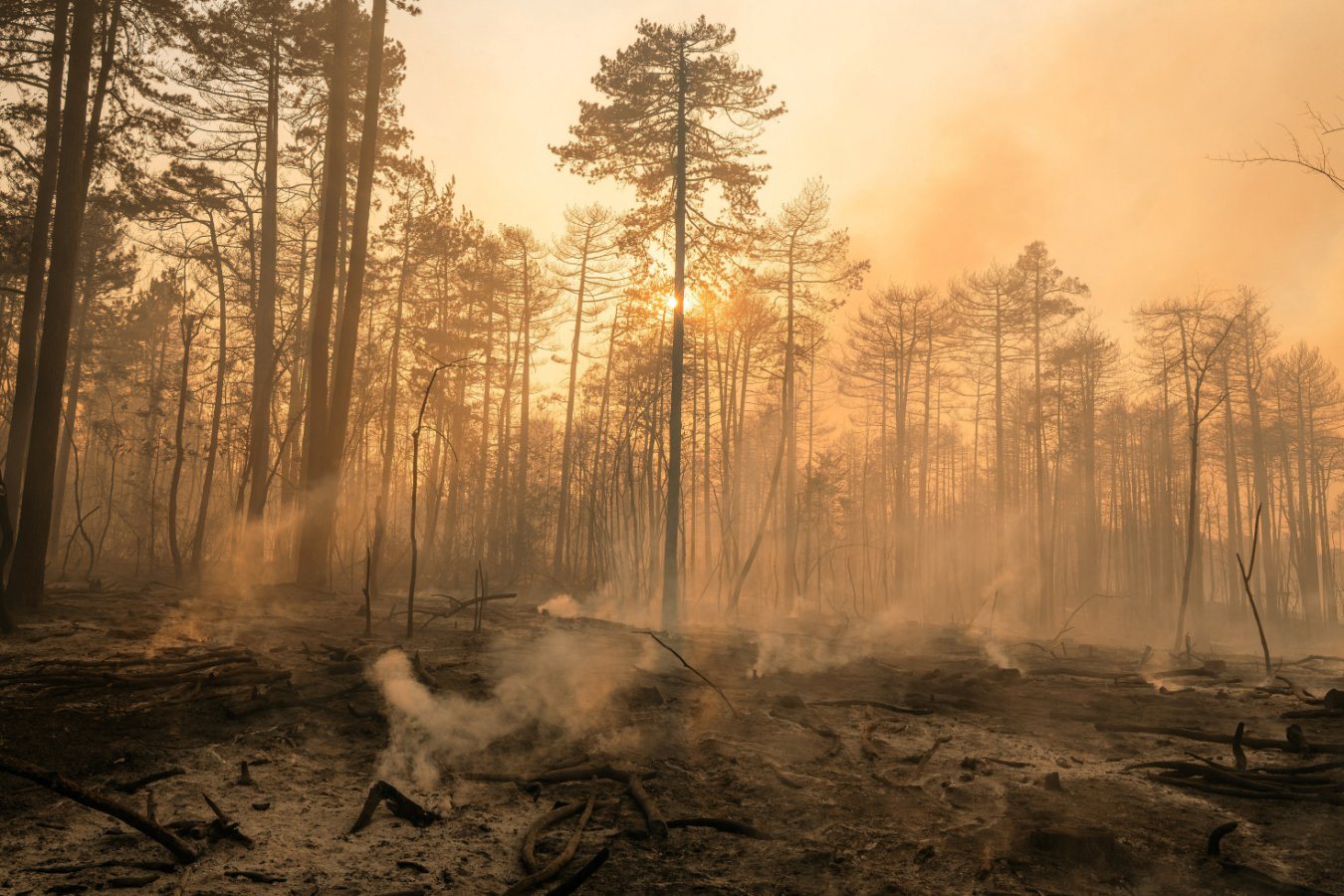
Some climate damage is now unavoidable even if the world cleans up its act immediately, scientists have warned, as global temperatures edge within touching distance of 1.5°C of warming above pre-industrial levels. The finding comes as the United Nations has formally acknowledged that holding warming to that threshold would only be possible if the Earth overshoots it and then cools back down by 2100.
The concept of «overshoot, peak, decline» has become the new mantra for decision-makers, according to the research. While thermometers may not remember past heat, rising temperatures leave lasting marks: forests die, ice sheets melt and species go extinct. The question now facing scientists is how bad the damage will be and whether it can be reversed.
There is some good news. Important land carbon sinks such as the Amazon rainforest appear able to bounce back from short-term climate shocks. The Atlantic Meridional Overturning Circulation, a vital ocean current, may even be resuscitated after a climate-induced collapse, although scientists caution it would not be easy.
But the bad news is that some impacts are locked in. The Thwaites glacier in Antarctica looks to be beyond saving even if ocean-driven melting were halted overnight, meaning that when it comes to sea-level rise, the world has locked itself in for a lot of future pain.
That is not a reason for despair, the research stresses. Once warming passes 1.5°C, the response should be to double down on cutting emissions rather than give up. But even if global cooling is successfully delivered, the world will not emerge from the overshoot years unscathed. What is done today matters for tomorrow.
The findings add a note of urgency to international climate policy, which has increasingly focused on the mechanics of temporarily exceeding the 1.5°C limit. The UN’s acknowledgement that overshoot is now the only viable path to the target reflects a shift in how governments and scientists are approaching the goal. Rather than treating 1.5°C as a hard ceiling, the emphasis is moving towards managing the consequences of passing it and ensuring that temperatures decline afterwards.
The research also highlights the uneven nature of climate damage. While some systems may recover from short-term shocks, others face irreversible change. The loss of the Thwaites glacier would have significant implications for global sea levels, affecting coastal communities and infrastructure far from Antarctica. The potential collapse of the AMOC would similarly carry wide-ranging consequences for weather patterns and ocean ecosystems.
Scientists are racing to answer these questions as the window for action narrows. The message from the research is clear: overshooting 1.5°C will carry costs that cannot be undone, even with a successful cooling effort. But the scale of those costs still depends on the choices made now, making emissions cuts more important than ever.
3