Reform UK Reports ITV to Police Over Undercover Investigation
Reform UK has reported ITV to the police and announced a legal challenge against the broadcaster and multiple journalists following an undercover investigation, with the party alleging its staff and volunteers were psychologically manipulated.
Reform UK has reported ITV to the police and is preparing a legal challenge against the broadcaster and several of its journalists following an undercover investigation, the party has announced. The move escalates a confrontation between the insurgent political party and a major British broadcaster over the methods used to gather material for the programme.
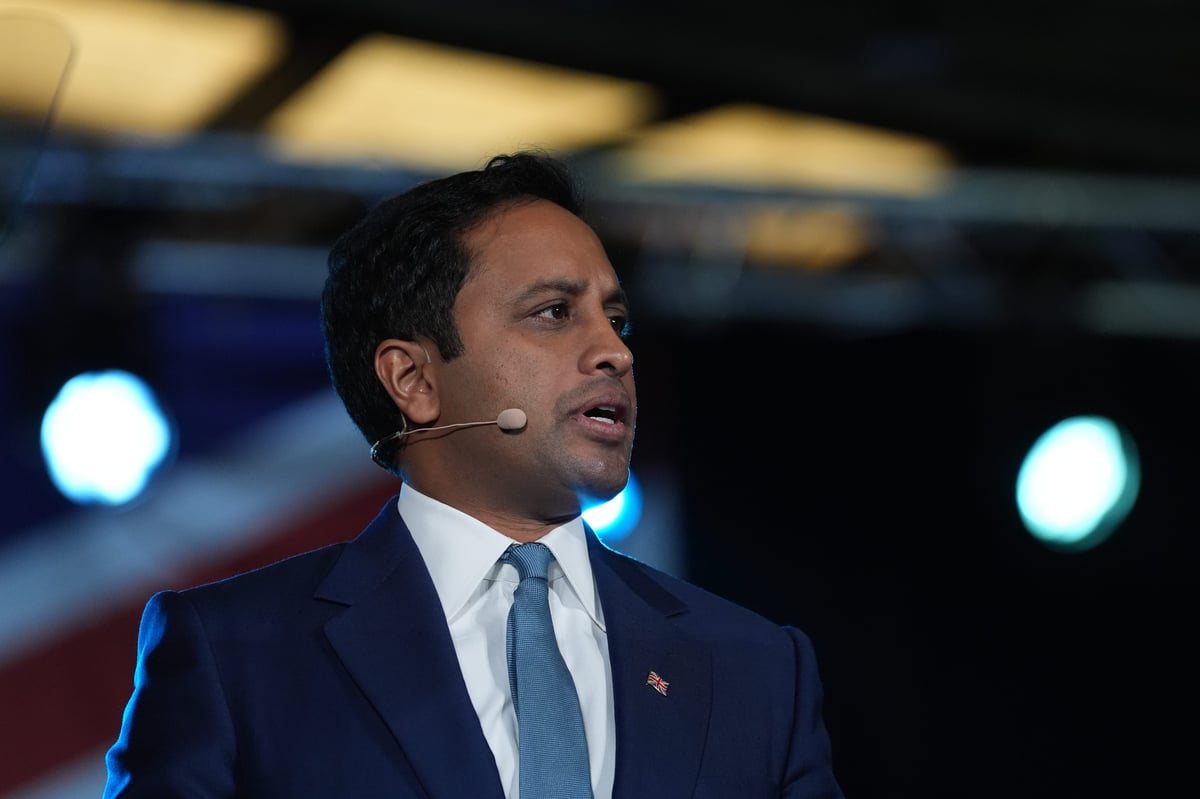
Zia Yusuf, a senior figure in Reform, said the party would launch legal action against multiple ITV journalists and the broadcaster's board. The party has also contacted police, according to the announcement, which was made public as Reform sought to frame the investigation as an improper intrusion rather than legitimate journalism.
The undercover investigation has been described as a racism sting, with Reform staff and volunteers said to have been «psychologically manipulated and damaged by ITV's undercover reporters», according to the party's account. Reform's complaint centres on the conduct of the reporters involved and the impact on the individuals who were recorded or approached during the operation.
Reform UK leader Nigel Farage has been drawn into the dispute, with the party's response positioning the broadcaster's methods as the central issue rather than the content of the recordings. The party's decision to involve the police and to prepare proceedings against named journalists and the ITV board marks an unusually direct challenge to a UK broadcaster by a political party.
The row comes amid a period of heightened scrutiny of political parties and their internal cultures, and it raises questions about the boundaries between investigative journalism and the treatment of party staff and volunteers. Reform's legal challenge, if pursued, would test how the courts and regulators view undercover reporting methods in a political context.
ITV has not publicly commented in the material available on the party's announcement. The police response to the report has also not been disclosed. Reform's announcement did not set out a timetable for the legal challenge or specify the grounds on which proceedings would be brought.
The dispute is likely to intensify public debate over the accountability of broadcasters and the responsibilities of political movements that attract intense media interest. For Reform, the confrontation offers an opportunity to rally supporters around a narrative of unfair treatment, while for ITV the focus will be on defending the editorial rationale behind the investigation.
Reform's move to report the broadcaster to police is a significant escalation in its relationship with the media, and the outcome of any legal action could set a precedent for how undercover investigations of political parties are conducted and contested in the UK.
8