Aberfan marks 60 years since coal tip disaster killed 116 children
The Welsh village of Aberfan is commemorating the 60th anniversary of the 1966 coal slurry disaster that engulfed Pantglas Primary School, killing 116 pupils and 28 adults. The tragedy remains one of Britain's worst industrial accidents and a defining moment in the history of mining communities.
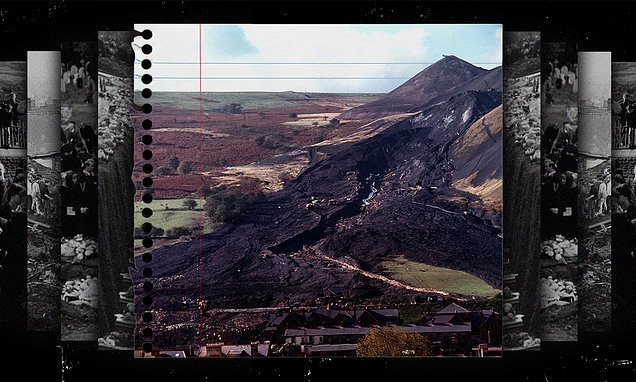
The village of Aberfan in south Wales is marking the 60th anniversary of the coal slurry disaster that killed 116 children and 28 adults when a mountain of waste from a nearby colliery collapsed onto Pantglas Primary School. The tragedy on 21 October 1966 remains one of Britain's deadliest industrial accidents and has left a lasting scar on the community and on the wider history of coal mining in the United Kingdom.
On that morning, a 30ft wall of slurry and debris slid down the hillside above the village, engulfing the school and several houses. The children had only just settled into their classrooms. Rescue workers formed human chains and worked for days to clear the rubble, trying to reach survivors and recover the bodies of those who died. Parents gathered at the site, clasping their hands through the debris in desperate attempts to reach their children as they suffocated.
The disaster was caused by the collapse of a coal waste tip that had been built on a spring above the village, despite repeated warnings about its instability. The subsequent inquiry found that the National Coal Board bore primary responsibility for the disaster, and the tip had been known to be unsafe. The events of that day led to changes in how coal waste was managed and became a symbol of the risks faced by mining communities across Britain.
Sixty years on, the village is holding a day of solemn commemoration. Residents, survivors and the families of victims are gathering to remember those who died, with memorial events focused on the school site and the cemetery where many of the children were buried side by side. The anniversary has drawn attention once again to the enduring grief of a community that lost an entire generation of children in a single morning.
The Aberfan disaster has been the subject of numerous books, documentaries and official commemorations, and it continues to be taught as a case study in industrial safety and corporate accountability. For the people of the village, however, the anniversary is primarily a personal and collective act of remembrance. The images of the rescue effort, the long queues of volunteers and the rows of small coffins remain among the most powerful visual records of the event.
The commemoration also serves as a reminder of the broader social and economic context of coal mining in Wales. The industry sustained thousands of families but also exposed them to environmental and safety hazards that were often poorly regulated. The Aberfan tragedy accelerated public demands for stronger oversight of industrial waste and contributed to a shift in attitudes towards the responsibilities of large corporations towards local communities.
As the 60th anniversary is observed, the focus remains on the victims and their families. The village has preserved the memory of the children through memorial gardens and a dedicated remembrance fund, and each year the anniversary brings renewed attention to the lessons that must not be forgotten. The disaster at Aberfan is remembered not only for the scale of the loss but for the warnings that went unheeded and the community that was left to rebuild.
4