CBI warns Budget tax raid on banks would be an own goal for UK economy
The Confederation of British Industry has urged Chancellor John Healey to avoid raising taxes on the financial sector in the upcoming Budget, warning that such a move would damage the wider UK economy. CBI chief executive Rain Newton-Smith will call for business breathing space ahead of the fiscal statement.
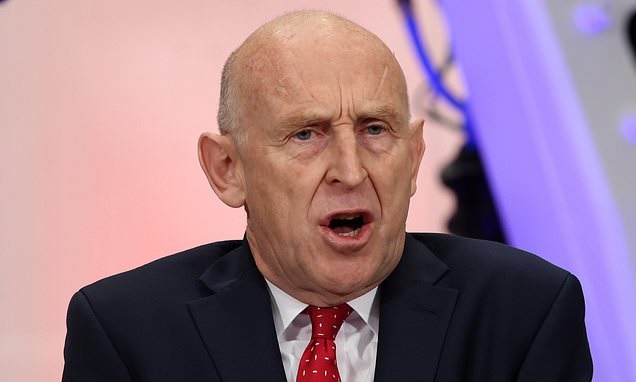
The Confederation of British Industry has warned that imposing higher taxes on banks and the financial sector in the upcoming Budget would be an «own goal» for the UK economy. The business group's chief executive, Rain Newton-Smith, will use a major speech to urge Chancellor John Healey to give business «breathing space» rather than targeting the financial services industry for additional revenue.
The intervention comes as the Chancellor prepares to deliver his Budget against a backdrop of pressure on the public finances. The CBI's warning signals growing concern among business leaders that the government may look to the financial sector to help fill a fiscal gap, a move the lobby group argues would undermine investment and growth.
Financial services are a central pillar of the UK economy, contributing a significant share of tax receipts and employing hundreds of thousands of people across the country. The CBI's argument is that taxing the sector more heavily would reduce its capacity to lend to businesses and households, with knock-on effects for investment and job creation. The group has consistently argued that a stable and competitive tax regime is essential for attracting international capital and maintaining London's position as a global financial centre.
Newton-Smith's call for «breathing space» reflects a broader business concern about the cumulative burden of taxation and regulation on UK companies. The CBI has previously highlighted that firms are facing rising costs and uncertainty, and has urged the government to focus on measures that support growth rather than raising revenue from the private sector.
The Chancellor now faces a delicate balancing act. He must fund public services and meet fiscal rules while avoiding measures that business groups say would stifle the economy. The CBI's warning is likely to intensify lobbying from the financial services industry in the run-up to the Budget, with banks and other institutions expected to make similar representations to the Treasury.
The outcome will be closely watched by investors and international observers, who view the UK's tax treatment of its financial sector as a signal of the country's broader economic direction. A decision to raise taxes on banks could be interpreted as a shift towards a more interventionist approach, while restraint would be welcomed by business as a sign of stability.
The CBI's intervention also underscores the political sensitivity of the Budget. With the government under pressure to demonstrate fiscal discipline, the Chancellor must weigh the immediate need for revenue against the longer-term goal of fostering a competitive business environment. The CBI's message is clear: taxing the financial sector would be counterproductive, harming the very economy the government is trying to grow.
As the Budget approaches, the debate over how to balance the books will intensify. The CBI's warning sets out the business case against a tax raid on banks, and it remains to be seen whether the Chancellor will heed that call or pursue alternative sources of revenue. For now, the group's intervention has placed the financial sector at the centre of the pre-Budget debate, with significant implications for the UK's economic trajectory.
6