Healey Rejects Calls to Raise Capital Gains Tax in Budget
The Chancellor has ruled out increasing capital gains tax at the upcoming Budget despite pressure from a range of voices urging him to target profits from the sale of assets.
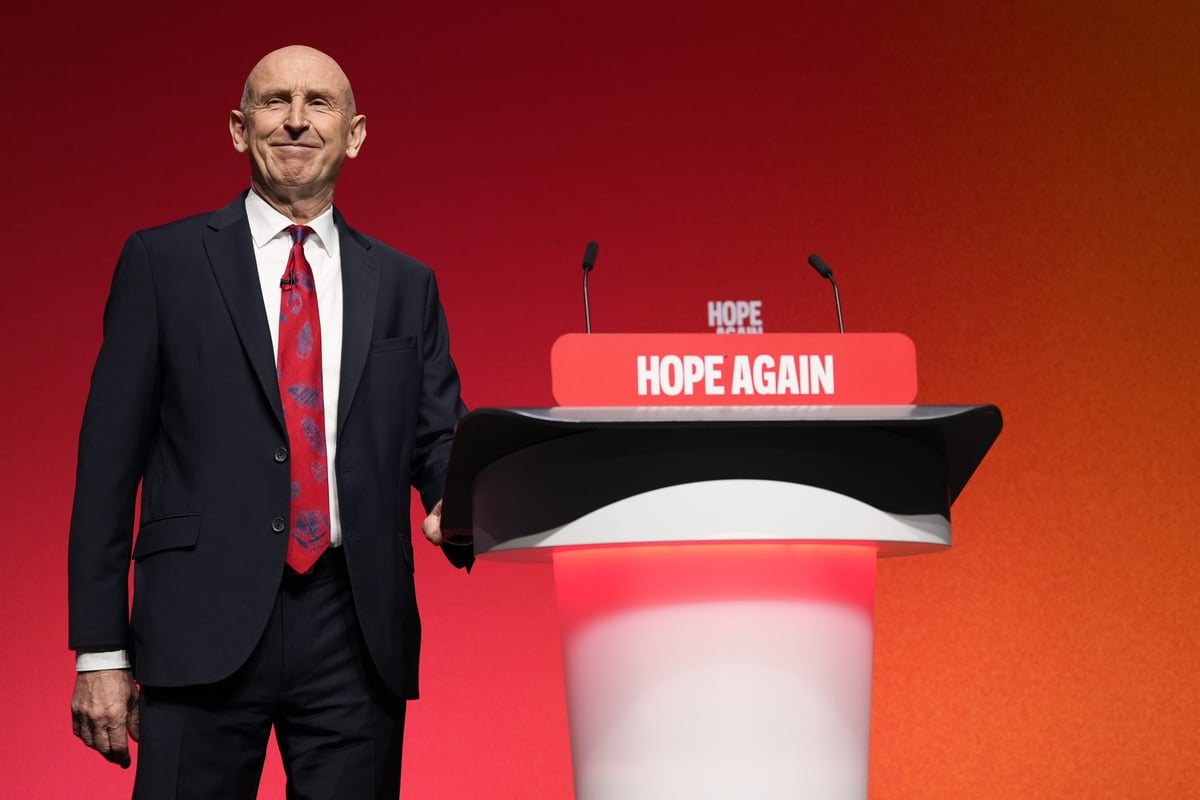
The Chancellor, John Healey, has rejected calls to raise capital gains tax at the forthcoming Budget, closing the door on a measure that had been urged by a range of voices across the political and economic spectrum. The tax applies to the profit made from selling off assets, and any increase would have marked a significant shift in how the government approaches wealth and investment income.
Healey has faced sustained pressure to use the Budget as an opportunity to raise the levy, with proponents arguing that it could generate substantial revenue at a time when the public finances remain under strain. The Chancellor's decision to rule out the move suggests the government is wary of discouraging investment and asset ownership, or of being seen to penalise those who hold and sell property, shares and other holdings.
The debate over capital gains tax has become a focal point in the run-up to the Budget, with figures including Andy Burnham and Kemi Badenoch featuring in the wider political conversation around the government's fiscal choices. The Chancellor's resistance to raising the tax places him at odds with those who believe the burden should fall more heavily on capital gains rather than on income or consumption.
Capital gains tax is charged on the profit made when an asset is sold, and it has long been a politically sensitive levy because it touches on savings, entrepreneurship and property wealth. Raising it would have implications for investors, business owners and homeowners alike, and the Chancellor's decision to hold firm will be read as a signal that the government does not intend to pursue a wealth-targeted approach in this Budget.
The rejection of the calls comes as the government prepares its fiscal plans amid competing demands for spending and pressure to demonstrate fiscal discipline. The Chancellor's stance will be scrutinised by business groups and investors looking for clarity on the direction of tax policy, and by opposition figures who have argued that the government is missing an opportunity to raise revenue from those with significant assets.
For now, the Chancellor's position is clear: capital gains tax will not be increased at this Budget, despite the chorus of voices urging otherwise. The decision leaves the levy unchanged and shifts the focus of the Budget debate onto other areas of tax and spending, where the government will still have to reconcile its revenue needs with its political and economic priorities.
3