Musk accused of ordering Starlink slowdown for Ukrainian army
Elon Musk reportedly ordered a slowdown of military-grade Starlink access used by Ukrainian forces, a claim that follows President Zelensky's allegation that the US president and the billionaire deliberately blocked Ukraine's satellite access overnight.
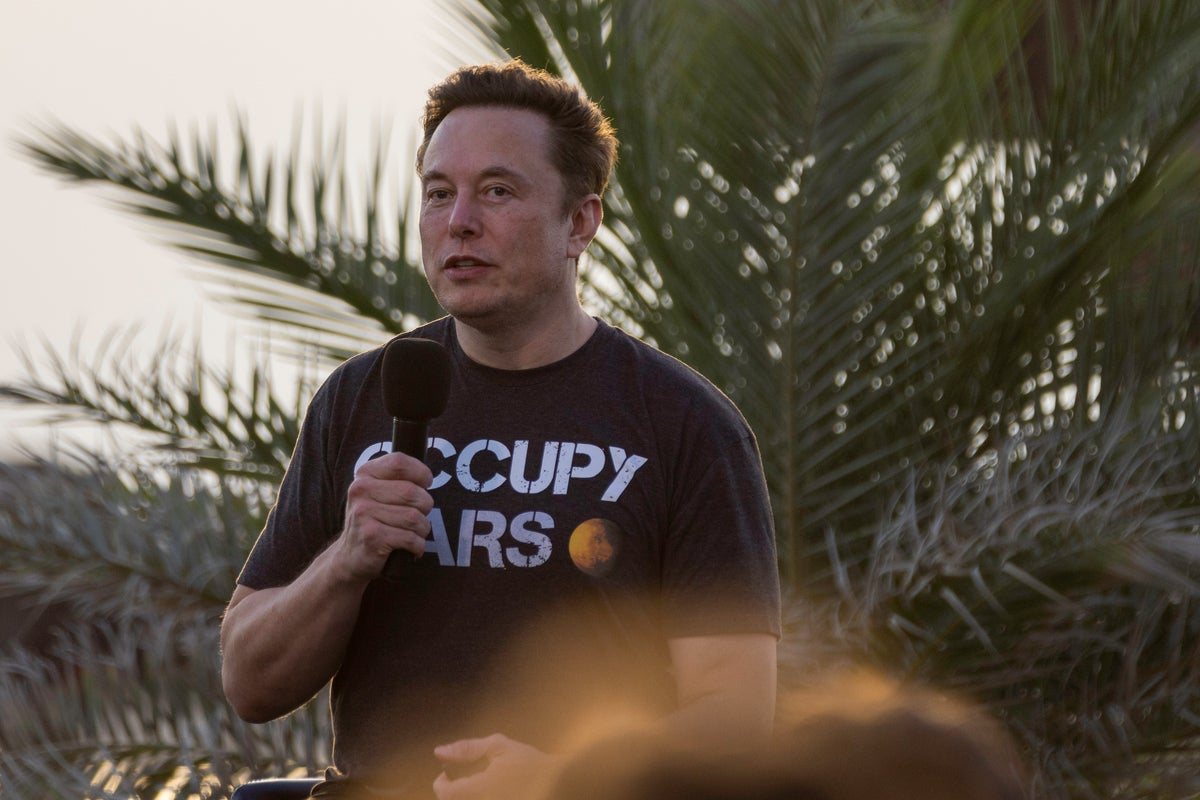
Elon Musk reportedly ordered a slowdown of the military-grade Starlink service relied on by Ukraine's armed forces, according to accounts that have revived a dispute over the billionaire's control of battlefield communications. The reported intervention affected a version of the satellite network used for military operations rather than the civilian service, and it has been linked to a period of alarm in Kyiv over the country's ability to coordinate its defences.
The claim follows an assertion by Ukrainian President Volodymyr Zelensky that US President Donald Trump and Musk, a prominent ally of the American leader, deliberately blocked Ukraine's access to Starlink overnight. That allegation placed the satellite system at the centre of a political row between Kyiv and Washington, and it has intensified scrutiny of the private infrastructure on which Ukrainian commanders depend.
Musk has previously blamed Trump for the decision, according to accounts of the dispute. The shifting explanations have left the precise chain of command behind the slowdown unclear, and neither the reported order nor its operational consequences have been independently confirmed. What is not in doubt is the centrality of Starlink to Ukraine's military communications, which run through terminals and network capacity controlled by a company owned by a single individual.
The reported slowdown concerned a military-grade variant of the service, distinguishing it from the consumer access that has supported civilian life and frontline connectivity since the early stages of the war. Ukrainian forces have used satellite links for command, drone operations and artillery coordination, making any interruption a matter of immediate operational concern rather than a routine service issue.
The episode raises broader questions about the governance of privately held infrastructure in wartime. A network built for commercial broadband has become a strategic asset, and decisions taken inside a company can shape the course of a conflict in ways that traditionally belonged to states. For European governments and NATO members, the reliance on a single provider has become a point of vulnerability as well as a source of capability.
The political dimension is equally significant. Musk's closeness to the US administration has made his commercial choices subject to diplomatic interpretation, and Zelensky's public accusation turned a technical dispute into a test of trust between allies. The reported slowdown has therefore fed a wider debate about whether private owners should be able to restrict access to services that governments regard as essential to national security.
For now, the sequence of events remains contested. The reported order, the overnight disruption described in Kyiv and the competing explanations from those involved have not been reconciled in public. What the episode has demonstrated is that control over satellite communications has become an instrument of leverage, and that the lines between corporate decision-making and geopolitical strategy are increasingly difficult to draw.
9