
Chancellor Asked to Examine Scrapping Gas Standing Charges
Andy Burnham has asked John Healey to investigate eliminating the daily standing charge on gas bills, which averages 29.68p and costs households around £108 a year, as ministers face pressure over energy costs.
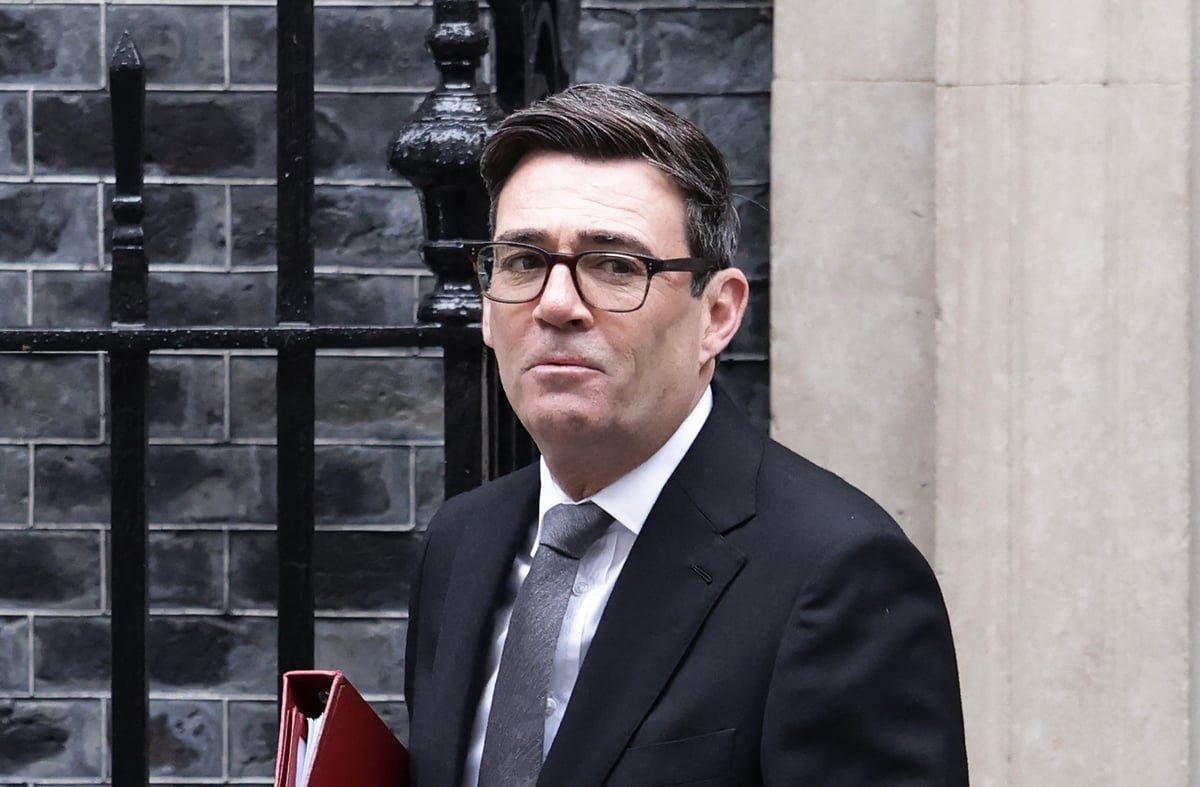
The Prime Minister has asked the Chancellor to examine whether the daily standing charge on gas bills can be eliminated, in a move that could save households around £108 a year. Andy Burnham said he had asked John Healey to look at removing the fee, which is levied at an average of 29.68p per day regardless of how much gas a household uses.
The request was made at Prime Minister's Questions, where Burnham told the Commons that ministers would consider scrapping the charge. He also used the session to defend the government's decision to approve the Jackdaw gas field, arguing that domestic supply and consumer costs must be addressed together.
Standing charges are fixed daily fees added to energy bills to cover the cost of connecting a property to the network and maintaining supply infrastructure. Because they are applied every day, they are incurred even in summer when heating is switched off, and they fall hardest on low-usage households, including pensioners and people living alone. The average gas standing charge of 29.68p per day equates to roughly £108 over a year.
The Prime Minister's intervention places energy pricing at the centre of the government's cost-of-living agenda. Burnham said he wanted to do more to bring down bills, pointing to the continuing impact of the war in Iran and the ongoing crisis in Ukraine, both of which have weighed on international energy markets and household budgets.
The Chancellor is now expected to review the proposal ahead of the Budget, when decisions on taxation and public spending are set out. Removing standing charges would represent a significant shift in how energy network costs are recovered, with the expense potentially redistributed through unit rates or general taxation. Ministers have not yet indicated which mechanism they would favour or whether the change would be introduced in full.
Consumer groups have long argued that standing charges penalise those who use the least energy, while energy suppliers and network operators warn that the costs of maintaining pipes and connections do not disappear when the charge is removed. Any reform would therefore require careful design to avoid shifting costs onto higher-usage households or undermining investment in gas infrastructure.
The exchange at Prime Minister's Questions also drew attention to the government's broader energy strategy. Defending the approval of the Jackdaw gas field, Burnham argued that domestic production has a role in securing supply, even as ministers explore ways to reduce the fixed costs borne by consumers. The two positions — expanding domestic gas extraction and cutting the fixed elements of bills — are being presented as complementary parts of the same affordability agenda.
Opposition parties have seized on energy bills as a pressure point, and the Chancellor's review is likely to be scrutinised for how quickly it can deliver savings. With the Budget approaching, the government faces a balancing act: demonstrating that it is acting on household costs while reassuring investors and network operators that the regulatory framework remains stable.
For now, the proposal remains under examination. The Prime Minister has confirmed that the Chancellor has been asked to look at eliminating the charge, but no timetable or final decision has been announced. Households will learn whether the £108 saving becomes a reality only when the Chancellor sets out the government's plans.
2