Andy Burnham faces first PMQs as defence and tax questions loom
New Prime Minister Andy Burnham faces Kemi Badenoch at his first PMQs, with defence spending, tax rises, and electoral reform expected to dominate, as borrowing costs rise.
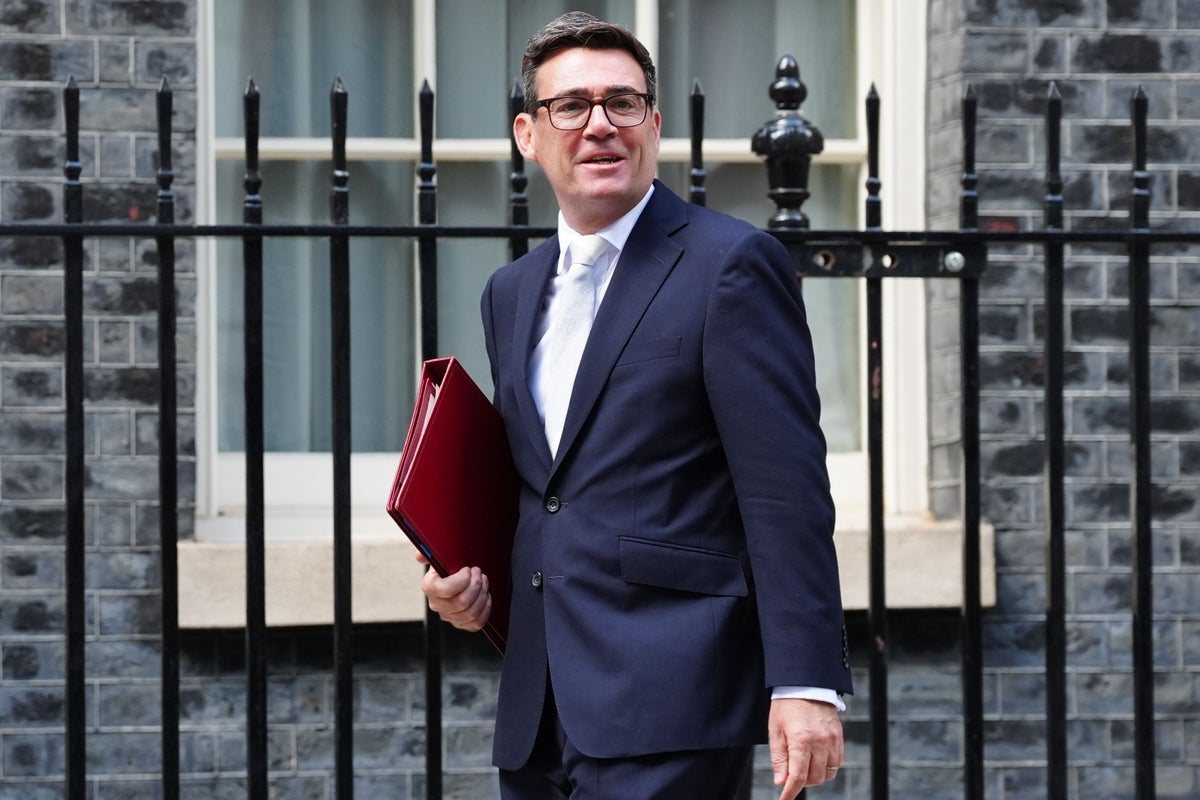
Andy Burnham will face Conservative leader Kemi Badenoch at Prime Minister’s Questions for the first time since taking office, with the new Labour leader expected to field questions on defence funding, potential tax increases, and the future of Britain’s electoral system.
The lunchtime session in the Commons comes as the government contends with rising borrowing costs, which have already prompted warnings from the Resolution Foundation that it is not “realistic” to think defence spending can increase without tax rises. The think tank’s analysis adds pressure on Burnham, who has also been cautioned that the UK can no longer afford the pensions triple lock amid spiralling borrowing costs.
According to reports, the Prime Minister has been warned he will need to hike taxes for middle earners to fund defence spending, a politically sensitive prospect that Badenoch is likely to exploit during the exchange. The new battle lines between the two leaders are already being drawn, with the Conservative opposition seeking to frame the government as fiscally irresponsible.
Beyond fiscal policy, Burnham may also face questions on the prospect of replacing Britain’s electoral system, a topic that has gained traction within Labour circles. The Prime Minister’s first appearance at the despatch box is widely seen as a test of his authority, both over his own party and against an opposition eager to land early blows.
The economic backdrop to the session is fraught. Government borrowing costs have risen sharply, constraining the Chancellor’s room for manoeuvre ahead of the autumn Budget. The Resolution Foundation’s intervention underscores the difficult trade-offs facing the administration, which has promised increased defence spending while also seeking to protect living standards.
Burnham’s path to the premiership followed a period of internal Labour turbulence, and his first PMQs will be scrutinised for signs of how he intends to navigate the competing demands of fiscal discipline, public services, and national security. Badenoch, for her part, will be keen to present the Conservatives as the party of sound money, attacking any suggestion of tax rises for working families.
The session also takes place against the backdrop of the Holborn and St Pancras by-election, triggered by Keir Starmer’s departure from the Commons. Green Party leader Zack Polanski has described the contest as “a referendum on ending rip-off Britain”, and there is speculation he may stand for the seat himself. One of his deputy leaders, Mothin Ali, is also reported to be interested in running, potentially splitting the progressive vote in a constituency with a significant Bengali and Muslim community.
For Burnham, however, the immediate focus is the Commons showdown. With borrowing costs rising and multiple spending commitments colliding, his first PMQs will set the tone for a premiership that is already under financial pressure. The outcome of the session may well indicate whether he can command the House and project the authority needed to push through difficult decisions.
55