
UK flights grounded as air traffic control technical failure hits major airports
A technical failure in the UK's flight processing system has grounded flights and caused widespread disruption at Heathrow, Gatwick and other major airports, leaving thousands of passengers stranded.
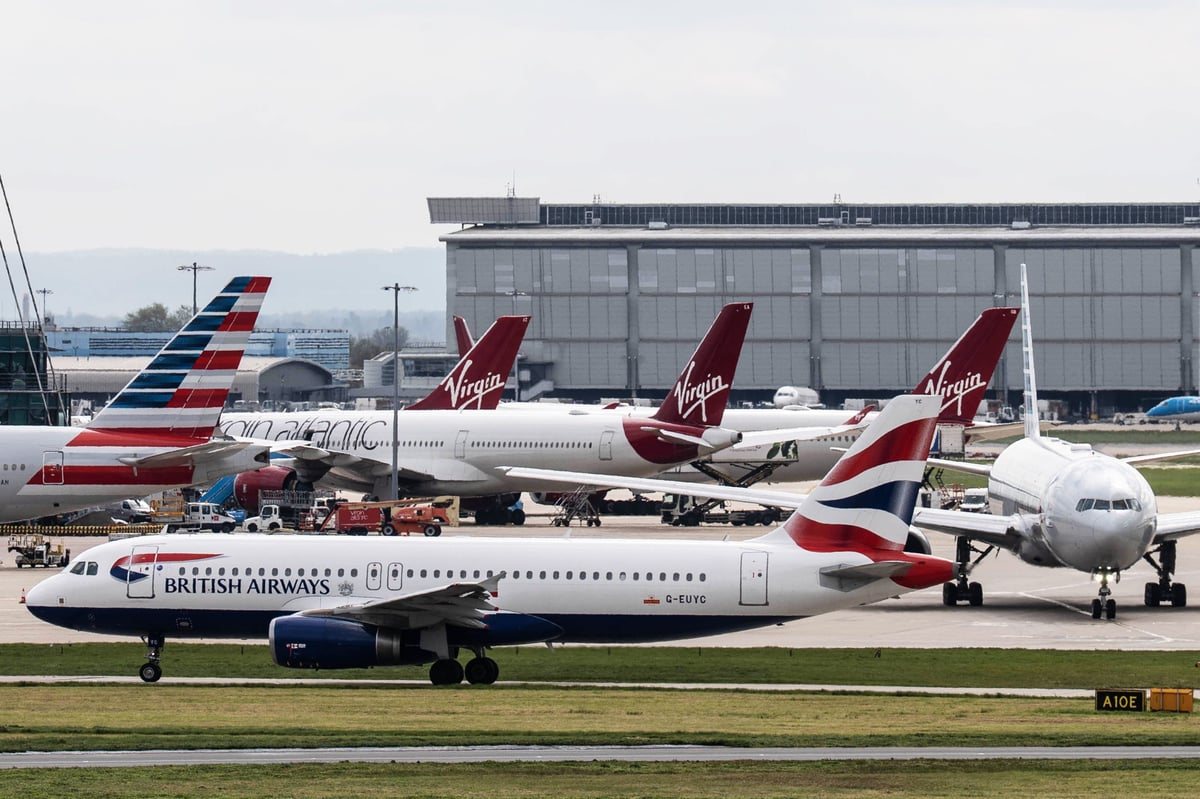
A major technical failure in the UK's air traffic control system has grounded flights and triggered widespread disruption at the country's busiest airports, leaving thousands of passengers stranded. The problem with the flight processing system has hit departures and arrivals at Heathrow, Gatwick, Stansted, Manchester and Birmingham, with hundreds of take-offs affected.
The glitch, described by officials as a technical issue affecting the system used to manage flight plans, began causing delays and cancellations on Monday morning. Airlines and airport operators advised travellers to check with their carriers before heading to terminals, as the disruption was expected to last for several hours. More than 400 flights had already been cancelled across the UK by mid-morning, with further knock-on effects likely throughout the day.
Passengers at London's two largest airports reported long queues and confusion as departure boards updated with cancellations. The disruption is not limited to UK-bound or departing services, as aircraft scheduled to arrive from Europe and further afield are also being held at their origin airports. The failure has raised questions about the resilience of the country's aviation infrastructure, which handles hundreds of thousands of flights each year.
The affected system is operated by NATS, the UK's main air traffic control provider, which manages the flow of aircraft through British airspace. While the exact cause of the failure has not yet been confirmed, industry sources indicated that the problem was related to the processing of flight data rather than radar or safety-critical communications. Controllers have been working to restore normal operations, but the backlog of delayed and cancelled services is expected to take time to clear.
The disruption comes at one of the busiest periods of the year for UK aviation, with many families returning from summer holidays and business travellers resuming schedules after the weekend. Airlines are under pressure to rebook affected passengers, though availability on alternative services is limited given the scale of the cancellations. Some travellers face waits of several days for new flights, particularly on popular routes to European holiday destinations.
Transport officials said they were monitoring the situation closely and were in contact with NATS and airport operators. The government has not yet indicated whether an investigation into the failure will be launched, but past incidents of this kind have typically led to reviews of system resilience and contingency planning. Passengers have been urged not to travel to airports unless their airline has confirmed their flight is operating.
The incident echoes previous air traffic control disruptions in the UK, though the scale of Monday's failure appears to be among the most significant in recent years. The last major system outage, which occurred in 2014, also caused widespread delays and cancellations across the network. Aviation experts note that while such failures are rare, their impact is magnified by the density of traffic in UK airspace, one of the busiest in Europe.
71