Haldane warns Burnham Budget risks Truss-style crisis
Former Bank of England chief economist Andy Haldane, once an adviser to Prime Minister Andy Burnham, says public spending must be cut to avoid a Liz Truss-style market crisis, and calls the planned £2bn bank tax rise delusional.
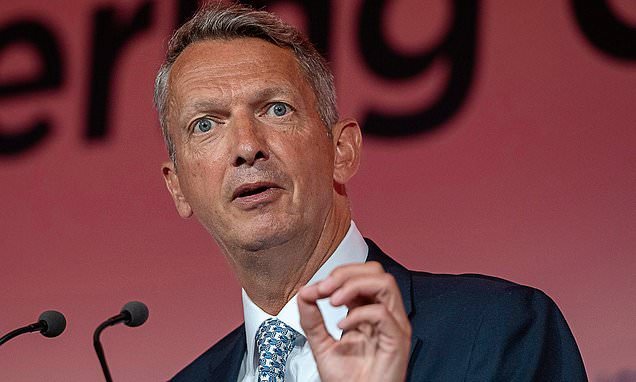
Andy Haldane, the former Bank of England chief economist who advised Andy Burnham on the economy only weeks before he became Prime Minister, has warned that the government risks a Liz Truss-style gilt and sterling crisis unless public spending is reined in. Writing in the Financial Times, he said the Prime Minister's plans to expand the state were ill-timed and could reduce growth rather than increase it.
Haldane described Chancellor John Healey's first Budget, due on 28 October, as shaping up to be a disaster. He argued that expanding what he called an expensive, inefficient state risks crowding out the more productive private sector. He said public sector productivity has barely improved this century, while private sector productivity has risen by more than 40 per cent. He also described the planned tax raid on banks as delusional, though the reports available to us do not set out the full wording of that criticism.
The warning comes as borrowing costs have climbed. National debt has reached £3 trillion, with the government borrowing a further £135 billion this year, and thirty-year gilt yields are at their highest level this millennium. Investors have been openly uneasy. Al Cattermole, a portfolio manager at Mirabaud, said investors were unclear about the Prime Minister's plans and how he would pay for them. At his first Prime Minister's Questions, Burnham refused to rule out increasing borrowing or taxes in the Budget, despite recent market turmoil.
The Budget itself is expected to target the banking sector. Healey is widely expected to reverse a cut to the bank corporation tax surcharge, moving it from 3 per cent back to 8 per cent. Reports suggest this could raise around £2bn a year, although banks have warned the economic cost could be far higher. Shares in NatWest and Lloyds fell after the reports emerged. Healey has described the banks as part of the crown jewels of the British economy, yet appears set on raising billions from them.
Pressure is coming from several directions. Labour MPs are pushing for the tax rise after the biggest four banks made around £15 billion in profit in the first half of this year. Haldane, by contrast, has urged the government to show restraint on spending and to avoid raising taxes on households or businesses. The debate recalls the 2022 episode, when Liz Truss's mini-budget sent borrowing costs surging and prompted the Bank of England to step into the bond market. Haldane's warning suggests that the Budget will be judged as much by the markets as by Parliament.
5