
Over 1,000 UK flights cancelled after air traffic control fault
A technical fault at UK air traffic control provider Nats caused over 1,000 flight cancellations and delays across the country, stranding hundreds of thousands of passengers and prompting airlines to demand an overhaul of the system.
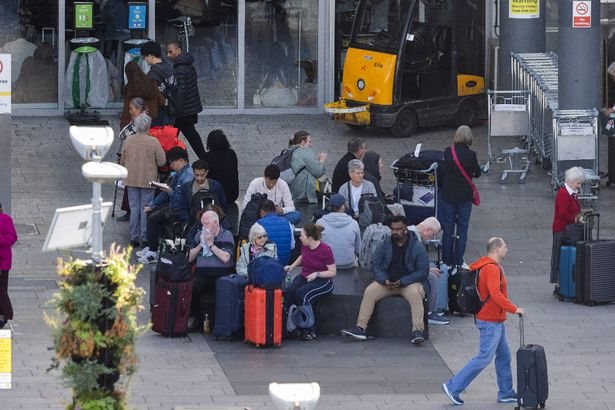
A major technical fault at the UK’s air traffic control provider Nats caused more than 1,000 flights to be cancelled across the country on Tuesday, leaving hundreds of thousands of passengers stranded and prompting airlines to call for a fundamental overhaul of the system.
The disruption hit at least 15 airports, with Heathrow and Gatwick among the worst affected. Carriers including easyJet, British Airways, Ryanair, KLM and Eurowings were forced to ground planes, while some passengers at Manchester Airport were left stuck on stationary aircraft for more than four hours before their flights were eventually cancelled. Social media footage and passenger accounts described scenes of “pure chaos” at terminals as travellers faced long queues and little information.
Nats, the air traffic control services provider, said the issue was caused by a “technical issue” but did not provide further details. The company said it had implemented measures to manage the disruption, but the knock-on effect was expected to continue into Wednesday. The Guardian reported that this was the third large-scale stoppage in just over three years, intensifying criticism of the resilience of the UK’s aviation infrastructure.
Airlines responded with frustration, demanding a full investigation and a long-term solution. Industry representatives argued that repeated failures were unacceptable and that passengers should not bear the cost of systemic weaknesses. The disruption also raised questions about the adequacy of contingency plans at airports and among carriers, many of which struggled to rebook passengers on alternative flights.
The scale of the disruption was significant: more than 850 flights had been cancelled by late Tuesday, with the total later exceeding 1,000. Heathrow and Gatwick, the UK’s two busiest airports, saw the highest number of cancellations and delays. Other affected airports included Manchester, Birmingham, Edinburgh, Glasgow, Bristol, and Luton, among others. Passengers were advised to check with their airlines before travelling to the airport.
The incident has renewed debate about the need for modernisation and increased resilience in the UK’s air traffic control systems. Critics point to the age of some infrastructure and the lack of redundancy as contributing factors. The Civil Aviation Authority said it was in contact with Nats and would review the incident, while the government faced calls to ensure that such failures do not recur.
For passengers, the disruption meant missed connections, lost holidays, and significant financial costs. Airlines are obliged to provide care and assistance, including meals and accommodation, but many travellers reported difficulties in reaching customer service lines. The incident also had a wider economic impact, affecting business travel and cargo operations.
As the industry and regulators assess the fallout, the immediate priority for Nats and airlines is to restore normal schedules and assist those affected. However, the repeated nature of such failures has left many questioning whether the UK’s aviation sector is prepared for future challenges, including increased passenger numbers and the impacts of climate change on weather patterns.
82