
US Treasury under pressure as national debt tops $40tn
The Trump administration is showing signs of concern over America's fiscal position, with the federal deficit near 6% of GDP and the national debt surpassing $40tn, as global long-term interest rates continue to rise.
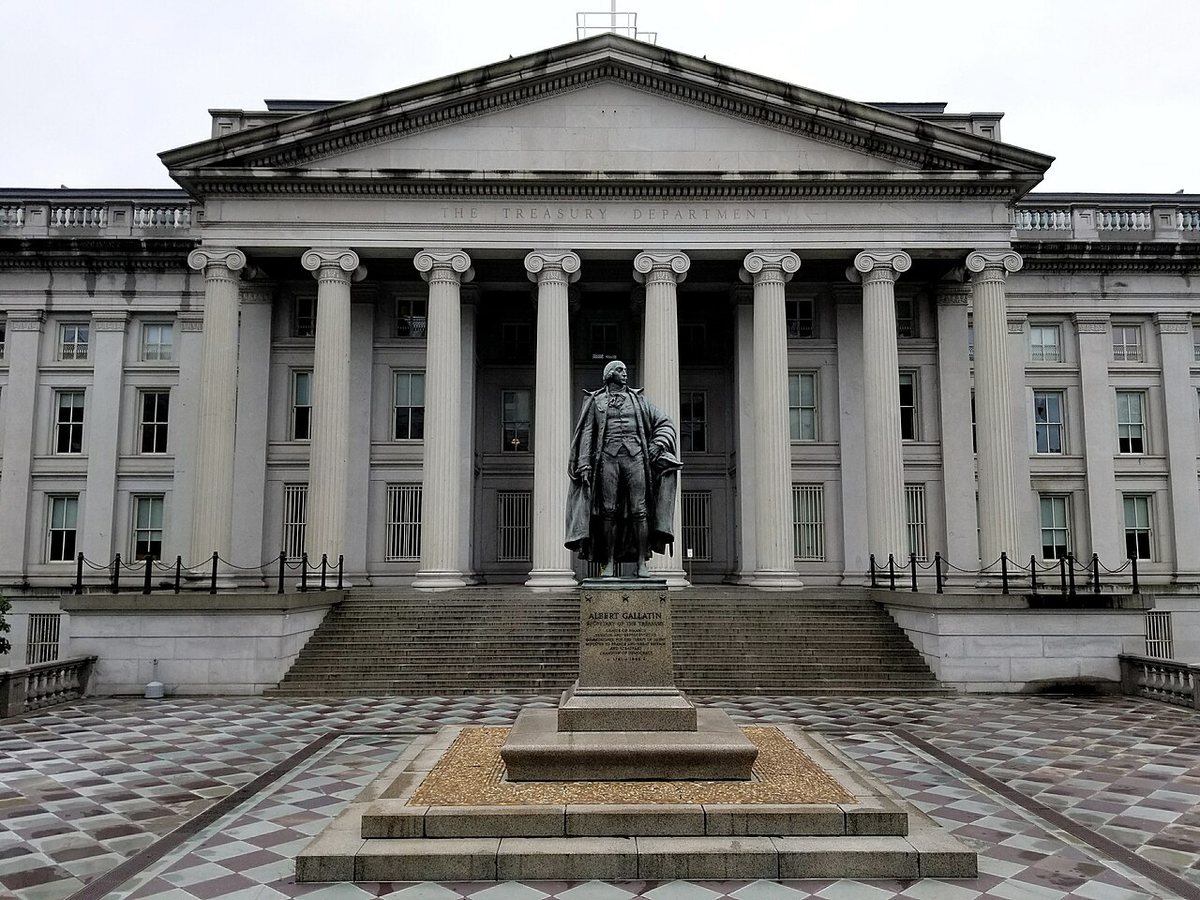
The Trump administration is showing early signs of alarm over America's ballooning debt, which has now surpassed $40tn, according to financial analysts tracking the Treasury's recent moves. With the federal deficit hovering near 6% of GDP, the United States remains the world's largest debtor, and the steady climb in global long-term interest rates is beginning to inflict real economic pain on the government's finances.
Treasury Secretary Scott Bessent has until now publicly dismissed concerns about the debt level, describing worries over the country's borrowing as a "big nothingburger." His public position has been that economic growth will be so robust that the US will comfortably meet its interest obligations without resorting to significant tax increases or spending cuts, while foreign investors will continue to fund American deficits willingly. However, recent actions by the Treasury suggest a different story behind closed doors.
The key indicator of this shift is the administration's attempt to influence the bond market by adjusting the maturity structure of government debt. Analysts interpret this as an effort to strong-arm investors and manage borrowing costs at a time when long-term yields are rising globally. The move contradicts the confident public messaging from the Treasury and points to growing concern about the sustainability of the country's fiscal trajectory.
Bessent's former mentor has warned that the Treasury secretary "will lose" his battle with bond markets, arguing that market forces will ultimately dictate the terms of US borrowing. This warning underscores the tension between the administration's optimistic growth narrative and the practical realities of financing a debt load that continues to expand at an unsustainable pace.
The rising global interest rate environment poses a particular challenge for the US, as it increases the cost of servicing the national debt. Higher rates mean larger interest payments, which in turn widen the deficit further, creating a feedback loop that fiscal policymakers find difficult to break. The Treasury's apparent attempt to manipulate the maturity structure of its debt issuance is seen by market observers as a defensive measure rather than a confident strategy.
The situation raises questions about the long-term credibility of US fiscal policy and the administration's ability to navigate an increasingly complex borrowing environment. While the White House continues to project confidence in its economic agenda, the bond market's response will ultimately determine how much room the government has to manoeuvre. For now, the gap between the administration's public assurances and its private actions suggests that the pressure is mounting.
75