
UK House Prices Stall as Mortgage Rates Rise, Lloyds Warns of 'Gathering Dark Clouds'
UK house prices recorded zero growth on both a monthly and annual basis in the latest Lloyds data, as rising mortgage rates and cost-of-living pressures cast a shadow over the property market.
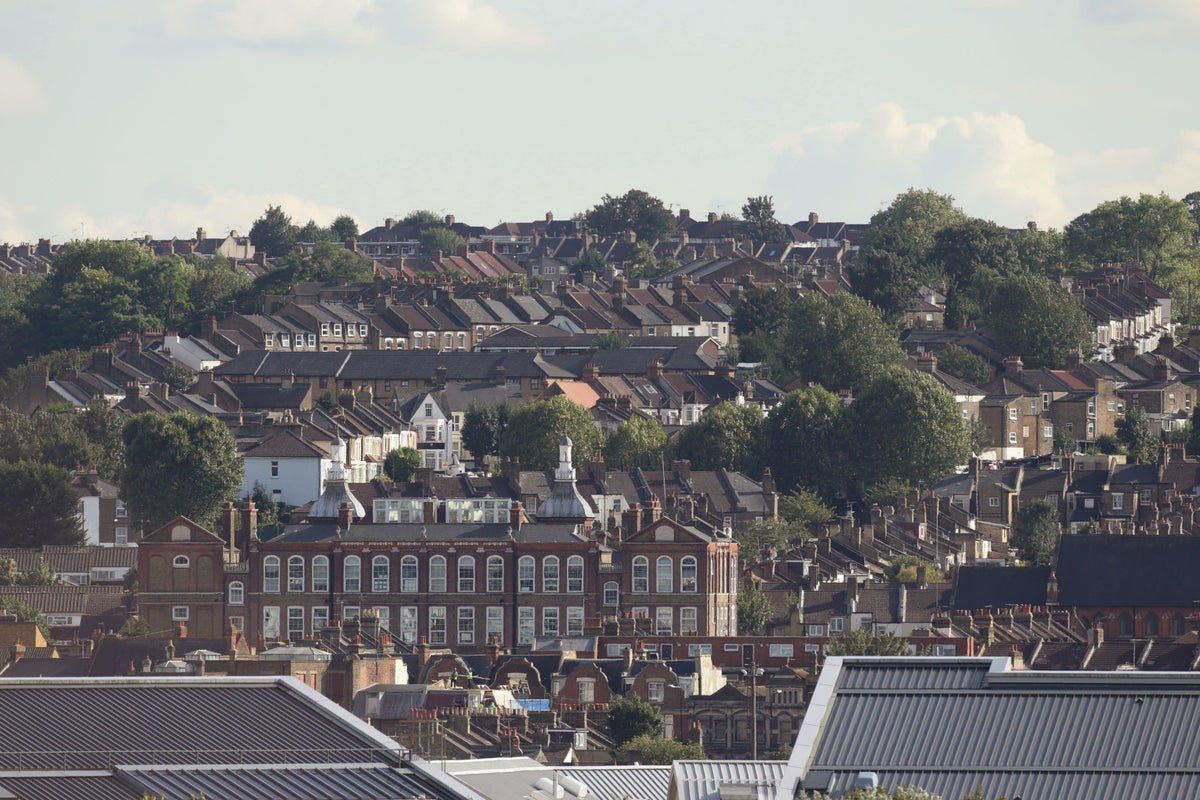
UK house prices failed to grow last month, with Lloyds Banking Group recording a 0% change on both a monthly and an annual basis, as rising mortgage rates and sustained cost-of-living pressures weigh on the property market. The stagnation has prompted warnings of «gathering dark clouds» over the sector, according to analysis of the latest lending data.
The flat reading marks a sharp contrast with the rapid price growth seen during the pandemic-era housing boom, when cheap borrowing and shifting demand for space drove valuations to record highs. Since then, successive increases in the Bank of England's base rate have fed through to mortgage costs, eroding affordability for buyers and cooling demand across much of the country.
Mortgage rates are on the rise again, adding further strain to household budgets already stretched by higher energy, food and transport costs. For prospective buyers, the combination of elevated borrowing costs and stagnant wages has made entering the market increasingly difficult, particularly for first-time purchasers who lack existing equity.
The 0% annual change is significant because it signals that the market has effectively flatlined over the past year. While this is not a sharp correction, it represents a pause in the long upward trajectory that homeowners and investors had come to expect. In real terms, with inflation still above target, flat nominal prices amount to a decline in purchasing power for property owners.
Analysts have pointed to a range of factors beyond mortgage rates. Consumer confidence remains fragile, and uncertainty over the broader economic outlook is discouraging large financial commitments. The cost-of-living crisis continues to shape spending decisions, with many households prioritising essential expenditure over property transactions.
The warning of «gathering dark clouds» reflects concerns that the slowdown may not be temporary. If mortgage rates remain elevated or climb further, affordability pressures could deepen, potentially leading to lower transaction volumes and a more pronounced cooling in prices. Estate agents and lenders are already reporting more cautious behaviour among both buyers and sellers.
For the wider economy, the property market is a critical barometer. Housing wealth affects consumer spending, and a prolonged stall can dampen economic activity. The construction sector, which relies on steady demand and price stability, could also face headwinds if the slowdown persists.
Lloyds' data, which covers a significant portion of the UK mortgage market, is closely watched as an indicator of national trends. The 0% change on both monthly and annual measures suggests that the market has reached a plateau rather than entering a steep decline, but the direction of travel remains uncertain.
Policymakers at the Bank of England face a delicate balancing act. Keeping interest rates high to combat inflation risks further suppressing housing activity, while cutting them too soon could undermine efforts to bring price growth under control. The next moves on rates will be pivotal for the property market's trajectory.
For now, homeowners and buyers alike are navigating a market characterised by caution. Sellers may need to adjust expectations, while buyers face the challenge of securing affordable finance. The «gathering dark clouds» may not yet have broken into a storm, but the forecast for UK property has clearly shifted.
3