
Hurricane Isaias Leaves Hundreds of Thousands Without Power Across US Gulf Coast
The first Atlantic hurricane of the 2026 season made landfall on the US Gulf Coast, cutting power to hundreds of thousands of homes in Florida and Alabama before weakening as it moved inland toward the Tennessee Valley.
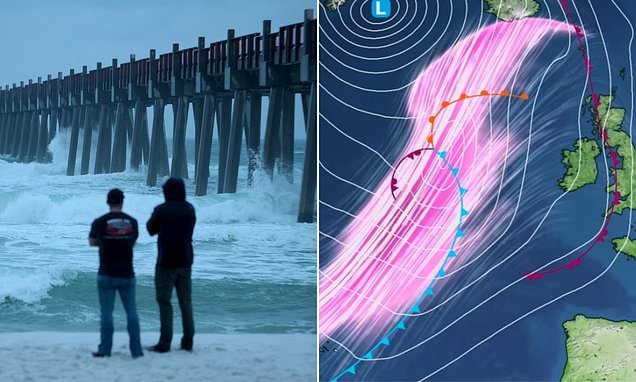
Hurricane Isaias, the first Atlantic hurricane of the 2026 season, has left hundreds of thousands of households without electricity after making landfall on the US Gulf Coast, striking Florida and Alabama before weakening as it pushed inland. The storm ripped roofs from buildings, lifted cars and plunged some 300,000 homes in Florida into darkness, according to early assessments of the damage.
The National Hurricane Center said in its latest advisory that Isaias is expected to move across Alabama and into the Tennessee Valley later today and on Sunday. Maximum sustained winds have dropped to near 35 mph (55 km/h), with higher gusts still possible. The centre forecast slow weakening through the day, with Isaias expected to dissipate on Sunday.
Power outages stretched across two states, with hundreds of thousands of customers affected in Florida and Alabama as the storm tracked across the south-eastern United States. The scale of the disruption reflects the vulnerability of electricity networks along the Gulf Coast, where overhead lines and substations remain exposed to high winds, flying debris and falling trees.
Isaias made landfall as a hurricane before being downgraded, but its passage still caused structural damage. Reports from the affected region described roofs torn from buildings and vehicles lifted by the force of the storm, underlining the risks that remain even as a system loses its hurricane status.
The storm's projected path takes it away from the immediate coastline and deeper into the interior south-east, where the main threats shift from coastal surge and extreme winds to heavy rain, localised flooding and the potential for tornadoes. The Tennessee Valley is next in line as the system continues its northward track.
Emergency crews and utility companies are expected to face a significant recovery operation once conditions allow. Restoring power to hundreds of thousands of homes typically takes days, and in some cases longer where transmission infrastructure has been damaged rather than isolated local lines.
Isaias is the first named hurricane of the 2026 Atlantic season to make landfall in the United States, a milestone that draws attention to the wider pattern of storm activity in the region. Forecasters had been tracking the system as it approached the Gulf Coast, and authorities had urged residents in low-lying areas to prepare.
The National Hurricane Center's advisory indicates that the most severe phase of the storm has passed, but the agency continues to monitor its progress inland. Slow weakening is forecast, and dissipation is expected by Sunday, which would end the immediate meteorological threat.
For residents across Florida, Alabama and the communities further north, the coming days will be dominated by clean-up efforts, damage assessments and the slow work of reconnecting power. The full cost of the storm is not yet known, and no comprehensive casualty figures have been released.
The event also highlights the continuing strain that repeated storm seasons place on local budgets, insurers and utility operators in the Gulf Coast region. Each landfall brings fresh demands on emergency services and infrastructure, even when a storm weakens quickly after coming ashore.
Further updates from the National Hurricane Center are expected as Isaias moves through the Tennessee Valley and begins to break up over land.
4