
Failed climate talks could deepen climate inequality, experts warn
Experts warn that this year's UN climate talks, which failed to reach consensus on how to confront climate change, could widen the gap between wealthy and vulnerable nations as extreme weather intensifies.
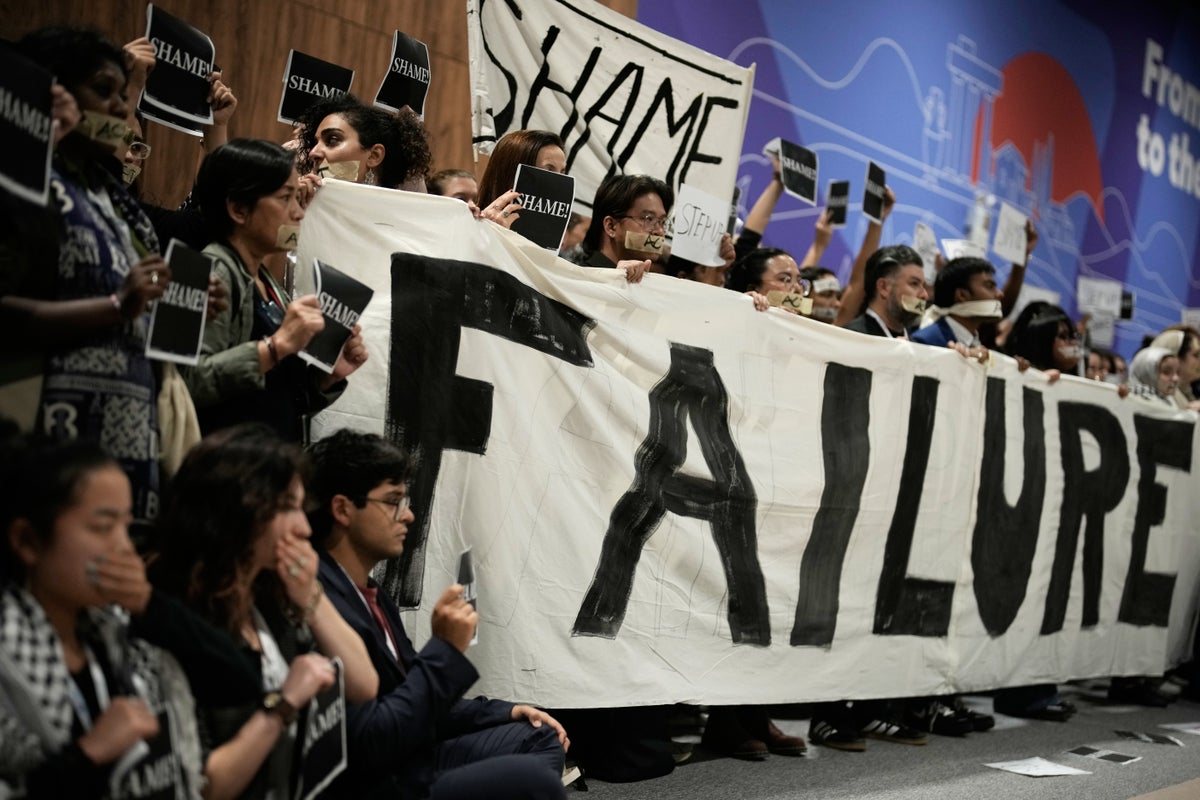
Experts warn that this year's United Nations climate talks have failed to produce a consensus on how the world should confront climate change, a setback that could deepen inequality between countries as natural disasters become more frequent. The shortfall comes at a time when extreme weather is already hitting communities across the globe, raising questions about who will bear the heaviest costs.
The negotiations were meant to produce agreement on how governments should respond to a warming planet, but participants left without a shared framework. Analysts say the absence of consensus matters most for countries that have contributed least to global emissions yet face some of the most severe consequences, from flooding and drought to crop failures and displacement. Without agreed mechanisms for support, these nations are left to absorb losses with limited resources.
The coverage notes that the breakdown in agreement arrived as the disasters it was meant to address continued to unfold. Extreme weather events have been striking regions that already struggle with poverty and weak infrastructure, and each new event tests the capacity of local governments and households to recover. Because the talks ended without a clear road map, many of these places face another period of uncertainty about the scale of outside help they can expect.
Specialists quoted in the coverage argue that the outcome does not mean all progress has stalled. Some discussions and commitments continued on the margins, and certain policy tracks remain active. Even so, the experts caution that uneven progress tends to favour well-resourced governments, which can adapt more quickly, while poorer states struggle to finance infrastructure, early warning systems and recovery after disasters.
The concern for experts is that climate inequality could become more entrenched. When wealthier economies are able to invest in defences and technology, and developing economies are not, the gap in resilience widens over time. Analysts note that disasters tend to hit the most exposed populations hardest, including low-income households, rural communities and those with limited access to healthcare and insurance. Each season of severe weather can erase years of savings and development gains for these families, making it harder to escape cycles of hardship.
Looking ahead, the experts suggest that the coming months will be critical in determining whether the stalled talks can be revived. Pressure is likely to grow from vulnerable nations seeking firmer commitments on funding and adaptation, while observers will watch whether major emitters are willing to close the gaps in their pledges. For now, the message from specialists is that the failure to agree carries real human costs, and that the burden of climate change will continue to fall unevenly unless those gaps are addressed.
Source: independent.co.uk
12