
CIA Hit by Mystery Hack as Intruders Breach Spy System
Intruders have breached a CIA system holding data scraped from social media and satellite images, raising fresh concerns about the security of the agency's intelligence holdings.
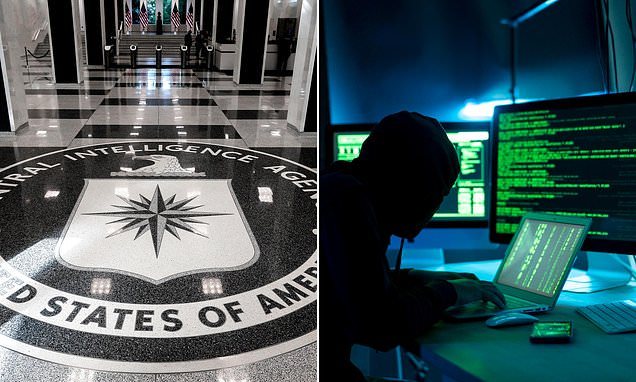
Intruders have breached a CIA system packed with data gathered from social media and satellite imagery, in an intrusion that has left investigators and observers asking how the hackers got in and what they may have reached. The incident puts the spy agency's digital defences under scrutiny at a time when intelligence services increasingly rely on large volumes of open-source and commercial data.
The breach was described as a mystery, and the source material offers little detail on who was responsible, what exactly was accessed, or how long the intruders had access to the system. The database at the centre of the intrusion was reported to hold material assembled from publicly available social media posts and satellite images. That combination makes such a store valuable to any hostile actor seeking to understand intelligence priorities, sources or methods, even when the individual items are openly available elsewhere.
The story is a reminder that intelligence agencies are not immune to the cyber threats that routinely target banks, utilities and private companies. Databases that aggregate open-source information can be attractive targets because they concentrate large amounts of material in one place. A compromise can reveal not only what has been collected, but also how analysts are working and which kinds of information they consider significant.
Open-source intelligence has grown in importance over the past decade, as satellite imagery has become cheaper and more widely available and social media has produced a steady stream of photographs, videos and posts from conflict zones and other areas of interest. Agencies have come to rely on analysts who can sift that material alongside classified sources. The same trend means that the aggregated datasets built from it can carry sensitive patterns of attention, even though most of the underlying content is public.
A separate incident reported alongside the CIA story underlines how widely similar breaches affect organisations that hold sensitive records. An investigation was launched after Gatwick airport customers' personal data was described as potentially accessed in a payment system breach. The source notes that the investigation followed the incident, but the material available does not set out the scale of that breach or the number of people affected.
The two cases share little beyond the vocabulary of breaches, data and systems, and the source package does not connect them. Read together, however, they illustrate the same pressure: organisations that store large amounts of personal or sensitive information face constant attempts at intrusion, and the consequences of a successful one can extend well beyond the initial target. For a government agency, the risks include exposure of analytic priorities and the possibility that adversaries learn what the agency already knows.
For now, key questions remain open. The available reporting does not establish whether the CIA has confirmed the extent of the intrusion, what data may have been taken, or whether any individuals or sources could be exposed. Further official detail would be needed to assess the damage and the response, and until that emerges the scope of the breach remains unclear.
Source: dailymail.com
8