UK shop price inflation hits two-year high as energy costs bite
In-store inflation in the UK accelerated to 1.5% in August, the highest level in two years, driven by higher energy costs pushing up packaged food prices and AI chip demand raising technology prices.
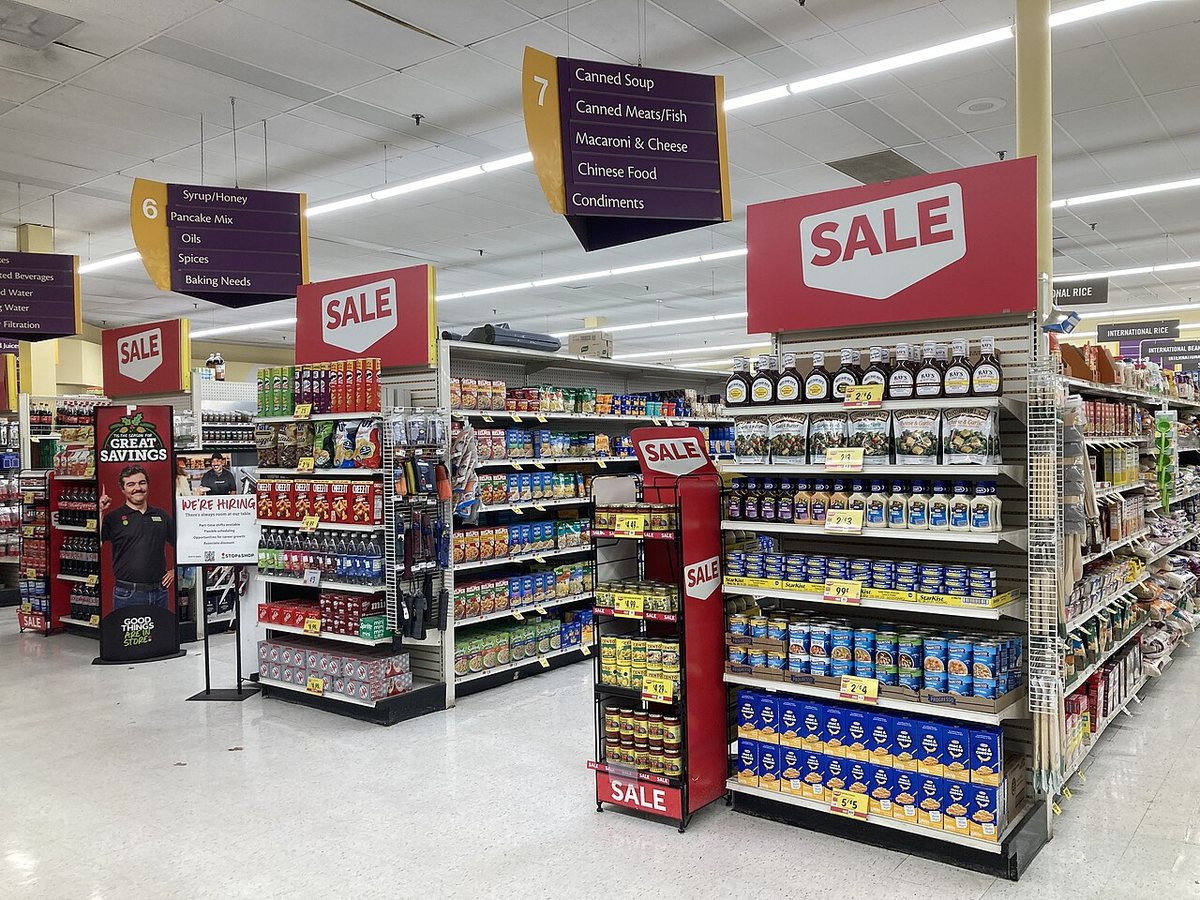
Price rises in UK shops accelerated to their fastest pace in two years last month, with higher energy costs pushing up the price of food and surging demand for AI chips making technology more expensive. In-store inflation stepped up to an annual rate of 1.5% in August, up from 0.9% in July, according to data from research company NIQ compiled for the British Retail Consortium (BRC).
The sharpest increase came from tinned and packaged food, where prices rose by 2.5% year on year, compared with 1.1% in the previous month. The BRC said the acceleration reflected the delayed impact of higher energy costs working through supply chains, as manufacturers passed on increased production and transportation expenses to retailers and consumers.
Technology goods also contributed to the upward pressure, with the index pointing to AI chip demand as a factor making electronics more expensive. The trend marks a reversal from the recent period of easing price pressures and will add to concerns about the persistence of inflation in the UK economy as households continue to face cost-of-living strains.
Retailers are now navigating a complex environment in which input costs are rising again just as consumer confidence remains fragile. The BRC data, which measures shop price inflation across the sector, is closely watched by policymakers and analysts as an early indicator of broader consumer price trends. The August reading represents the highest level of in-store inflation recorded in two years, signalling that the recent disinflationary phase in the retail sector may be coming to an end.
The rise in food prices is particularly significant given that groceries account for a substantial share of household spending, especially for lower-income families. The acceleration in packaged food costs suggests that the energy price shock is now feeding through to the shelves, even as wholesale energy markets have shown some volatility in recent months.
Economists will be watching the upcoming official inflation data to see whether the retail trend is reflected in the national statistics. The BRC index has historically provided an early signal of the direction of consumer prices, and the August jump could indicate that the path back to the Bank of England's 2% target will be bumpier than previously anticipated.
The technology price increases linked to AI chip demand reflect a global phenomenon, as manufacturers compete for limited semiconductor supply to power artificial intelligence systems. This has created a new source of upward pressure on consumer electronics prices, offsetting some of the declines seen in previous years as production scaled up.
For UK shoppers, the combination of more expensive food and technology goods means that the cost of everyday essentials and discretionary electronics purchases is rising simultaneously. Retailers face the challenge of balancing margin pressures against the risk of losing price-sensitive customers, with many expected to absorb some of the cost increases rather than pass them on in full.
53