Trump's New Press Secretary Says Media Access Remains 'Unknown'
Katie Zacharia, Donald Trump's newly appointed White House press secretary, has said it is 'unknown' how much she will engage with the press or hold briefings, as she faces mounting questions over her legal credentials and a widely criticised first appearance.
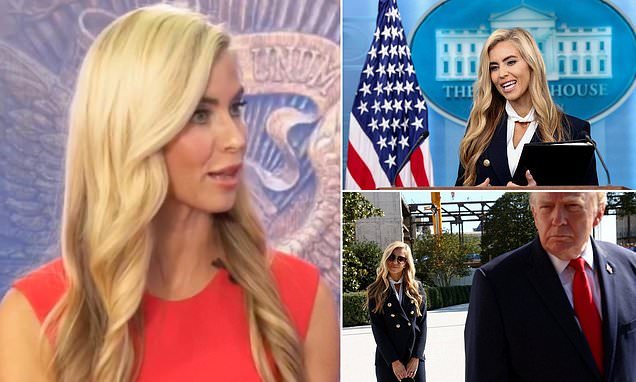
Katie Zacharia, Donald Trump's newly appointed White House press secretary, has said it is «unknown» how much she will engage with the press or hold briefings with reporters, as she faces mounting questions over her legal credentials and a widely panned first appearance in the role.
In a brief interview, Zacharia described a whirlwind sprint to replace her predecessor Karoline Leavitt as the US president's chief spokesperson. She did not commit to a regular briefing schedule or indicate how accessible she intends to be to the White House press corps, leaving open a question that has defined the relationship between the Trump administration and the media.
The appointment followed a rapid internal process, according to Zacharia's account, with little of the usual transition period for a role that traditionally involves daily exchanges with journalists. Her first press briefing drew widespread criticism, and she has since faced scrutiny over her description of herself as a lawyer despite having failed the bar exam.
Zacharia has defended her use of the term «lawyer», arguing that her legal training and background justify the description. The dispute has become a focal point of criticism as she settles into one of the most visible positions in the US government, where the press secretary serves as the primary conduit between the White House and the news media.
The role has historically involved regular on-camera briefings, fielding questions on policy, personnel and breaking developments. Under the current administration, the format and frequency of those sessions have varied, and Zacharia's refusal to guarantee a fixed schedule suggests further uncertainty for reporters seeking access.
Her comments come amid broader tensions between the White House and the press, with questions raised about transparency and the availability of senior officials. The press secretary's public engagements are closely watched as a signal of how open an administration intends to be.
Zacharia's predecessor, Karoline Leavitt, held the position before her and had been a prominent public face for the administration. The transition to Zacharia was described as a fast-moving operation, with the new spokesperson stepping into the role with limited preparation time.
The legal credentials controversy has added to the pressure. Failing the bar exam does not prevent someone from working in communications or political roles, but the claim to be a lawyer carries specific professional expectations, and critics have seized on the discrepancy. Zacharia has not backed away from the description.
For the White House press corps, the central practical question remains how often the briefing room will be used and whether the new press secretary will take questions in the traditional format. Her statement that this is «unknown» leaves that matter unresolved.
The appointment places Zacharia at the centre of the administration's communications strategy at a time when media scrutiny of the White House is intense. How she handles that scrutiny, and how much access she grants, will shape coverage of the president's agenda in the months ahead.
8