Trump’s oil and gas investments have doubled since the Iran war
Investments linked to President Trump in the oil and gas sector have roughly doubled since the Iran war, a rise that has drawn scrutiny as the White House says his priority remains lower energy prices for American families.
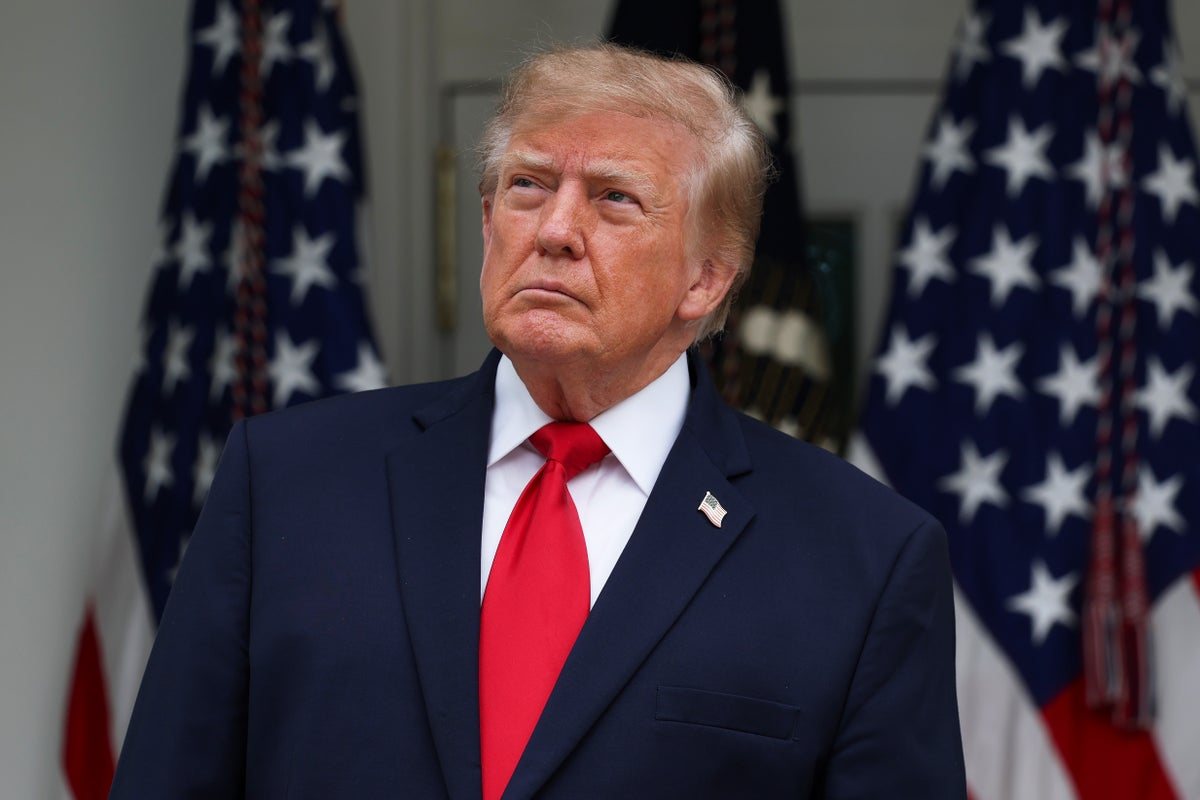
Financial holdings connected to President Donald Trump in the oil and gas sector have roughly doubled since the outbreak of the Iran war, according to reporting that has put his personal investments under renewed scrutiny. The rise has raised questions about the intersection of presidential decision-making and energy markets at a time when fuel costs remain a pressing concern for voters.
A White House spokesperson responded to the findings by stating that « President Trump’s priority has been and continues to be lowering gas prices for American families ». The statement sets out the administration’s position that its energy agenda is driven by consumer costs rather than by any financial interest the president may hold.
The increase in the value of these investments coincides with a period of heightened tension in the Middle East, where the Iran conflict has disrupted the flow of energy supplies and kept oil and gas prices volatile. Because oil and gas prices are closely tied to geopolitical risk, shifts in the sector can carry significant consequences for household budgets, inflation and the wider economy.
The scale of the rise underlines how closely energy assets can move with international events. Analysts typically note that conflicts involving major oil-producing regions tend to push up prices and boost the value of companies with exposure to extraction, production and distribution, which is the dynamic that appears to have driven the gains reported here.
The disclosure has sharpened a wider debate in Washington over conflicts of interest for officeholders who retain stakes in industries they help regulate or influence. Critics argue that such holdings warrant close oversight, while supporters of the administration maintain that the president’s public record on energy policy should be judged on its outcomes for consumers.
For readers in Britain and elsewhere, the story matters because the American energy market shapes global prices. Decisions taken in Washington on production, sanctions and diplomacy can ripple through fuel costs worldwide, meaning that questions about who benefits from those decisions extend well beyond the United States.
3