Trump struggles to curb soaring energy costs after Iran war
Nearly eight months after launching the war with Iran, President Donald Trump has failed to rein in rising petrol and energy prices, complicating Republican hopes of holding Congress in next week's midterm elections.
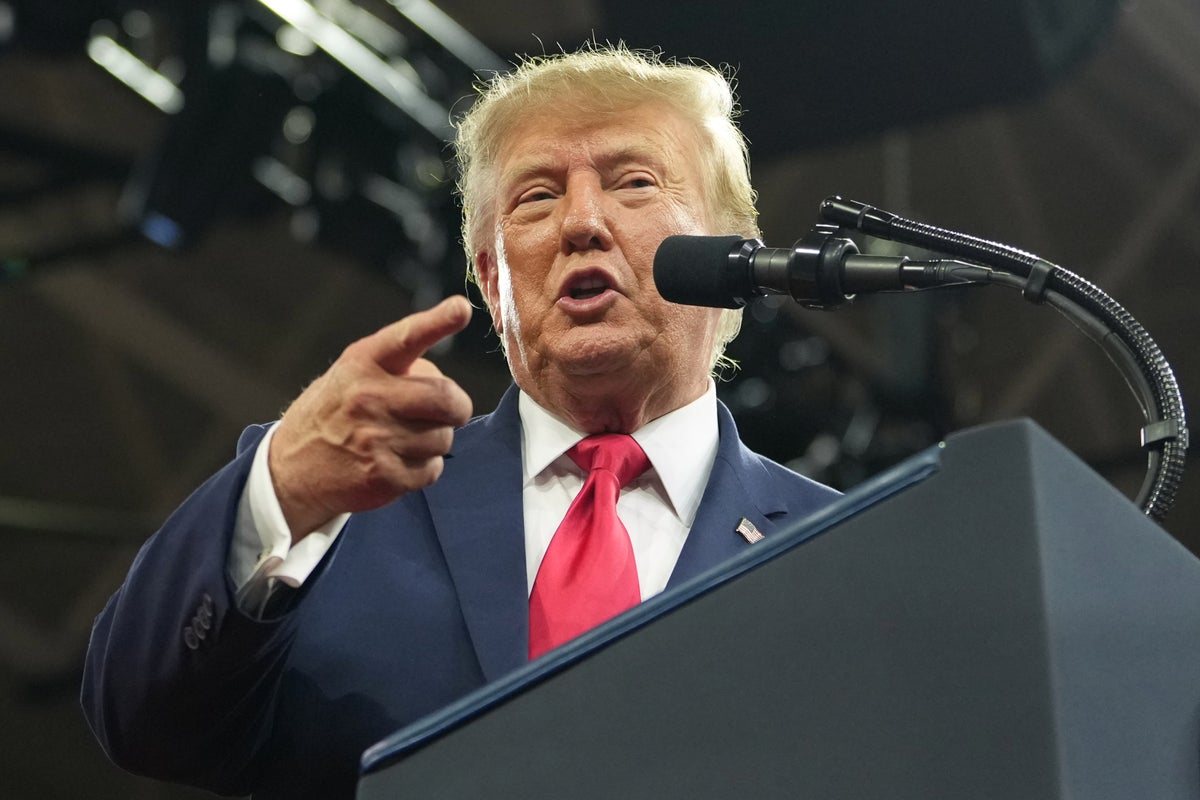
Nearly eight months after launching the war with Iran, U.S. President Donald Trump has struggled to bring down soaring energy costs, a problem that now threatens Republicans' effort to retain control of Congress in next week's midterm elections.
Fuel prices have remained a sore point for American households since the conflict began, and the President's attempts to reassure voters have not stopped the rise in what Americans pay at the pump and on their energy bills. The issue has become a political liability for his party as voters head to the polls.
The source material frames the struggle as one that has undermined Republicans' campaign messaging on the economy, at a moment when they are seeking to protect their majorities in Congress. The gap between the President's public assurances and the price shown on forecourt signs has become the central problem for his allies.
Energy costs are closely tied to the broader economy, and rising fuel prices feed into transport, goods and household budgets. For voters already concerned about the cost of living, the continued increase in energy bills has made the war's economic impact harder for the administration to dismiss.
Republicans had hoped the midterm campaign would centre on other themes, but the price of energy has pushed the economy to the forefront. The unresolved energy problem leaves the party exposed as Election Day approaches, with competitors seizing on the gap between promises and results.
4