Opposition steps up calls for government to back Rosebank before Budget
Opposition parties are increasing pressure on the government to approve the Rosebank oil project, days ahead of the Budget, after ministers signed off the Jackdaw gas field but have not yet ruled on Rosebank.
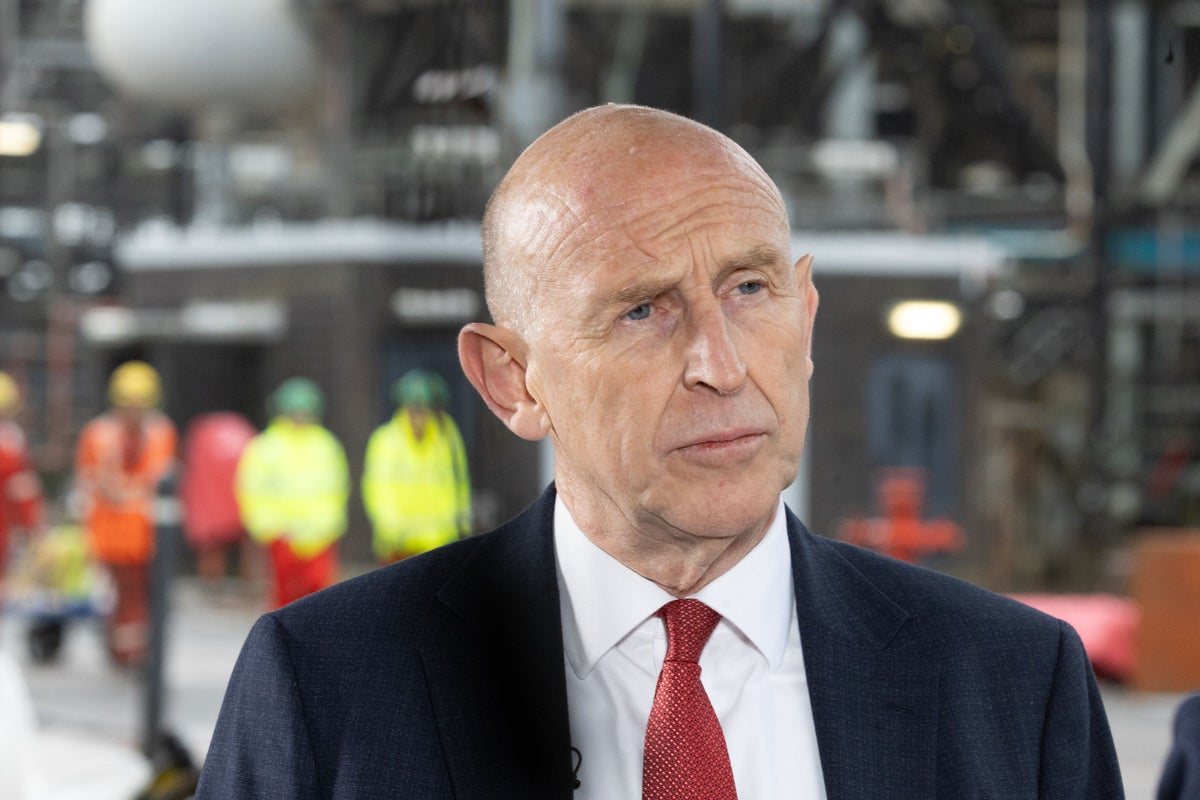
Opposition parties are intensifying pressure on the government to give the green light to the Rosebank oil project ahead of the Budget, after ministers approved the neighbouring Jackdaw gas field but have yet to rule on the larger scheme. The dispute places the future of one of the UK's biggest untapped North Sea developments at the centre of the political debate over energy security, jobs and the country's climate commitments.
The Government's decision on Jackdaw has been read by critics as a sign that the administration is willing to back new fossil fuel production in the North Sea, while leaving Rosebank in limbo. Opposition figures argue that the same reasoning should apply to Rosebank, which is one of the largest undeveloped oil resources on the UK Continental Shelf. The two fields are often discussed together because both have been caught up in the same regulatory and legal arguments about the environmental effects of offshore production, including emissions from burning the oil and gas once it is extracted.
Opposition politicians have framed the question as one of consistency and economic strategy. They contend that North Sea production supports skilled jobs in Scotland and the north-east of England, and that domestic output reduces reliance on imported oil and gas at a time of volatile global markets. Their message to ministers is that a clear decision is needed before the Budget, so that the government can set out its energy plans with confidence rather than leave investors and workers waiting.
Ministers have so far not set out a final position on Rosebank, and no date has been confirmed for when a decision will be published. That silence has become a point of attack, with opposition voices arguing that indecision is itself damaging, since it leaves companies unsure whether to commit capital to projects in the basin.
The energy industry has made a similar warning, saying that uncertainty over approvals discourages investment in the North Sea and risks accelerating the decline of the region's oil and gas sector. Supporters of Rosebank point to the scale of the reserves involved and to the supply chain and employment that a development would sustain. Environmental groups, by contrast, have argued that new oil and gas developments are incompatible with the UK's net zero targets, and have pressed legal and political challenges against the project.
With the Budget approaching, Rosebank is likely to remain a focal point of political argument, as the government weighs energy security, investment confidence and its climate pledges against one another. Until ministers publish a decision, the future of the field, and the signal it sends to investors about the UK's North Sea policy, remains open.
7