
Blanche rejects comparison to 2020 as DoJ seeks to block Alaska Senate certification
Attorney General Todd Blanche defended a Justice Department lawsuit seeking to block certification of Alaska's US Senate results if the Republican incumbent loses, a move that echoes Donald Trump's doubts about the 2020 election.
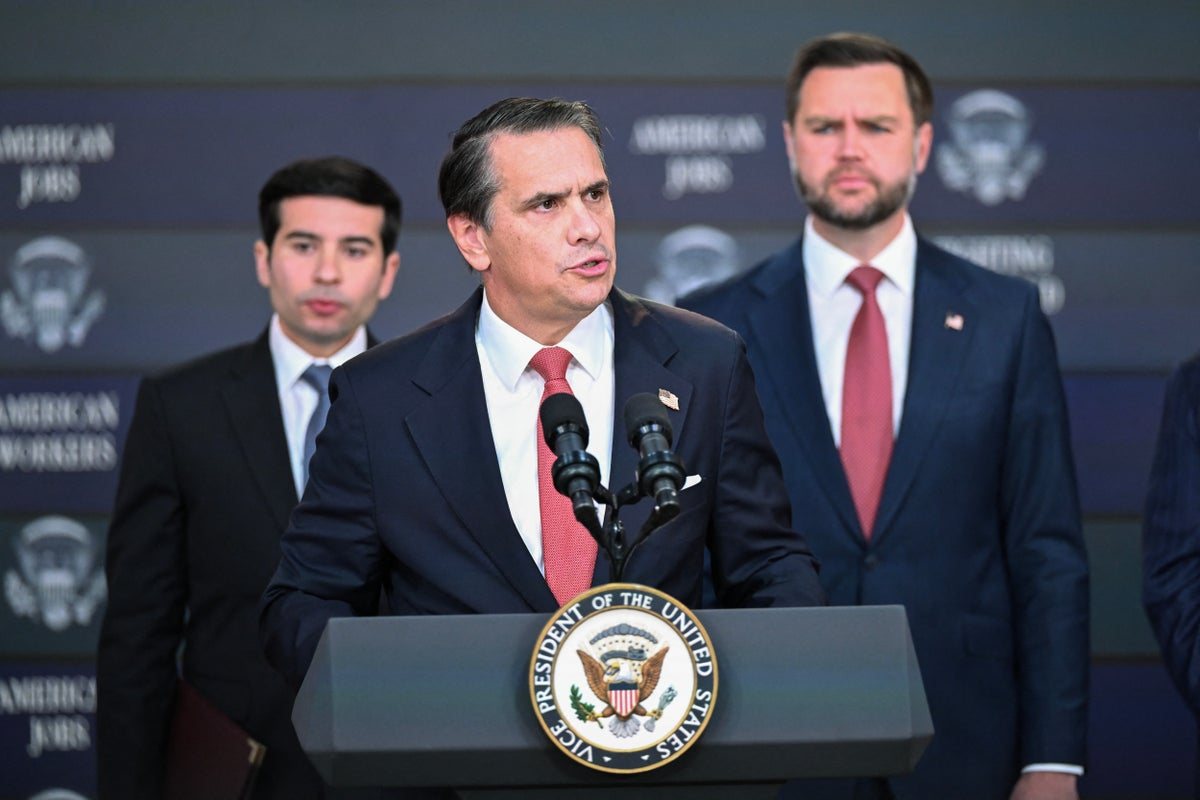
US Attorney General Todd Blanche pushed back sharply on Sunday when pressed on a Justice Department move to block certification of Alaska's US Senate results if the Republican incumbent loses, dismissing a suggestion that the action could fuel a repeat of the events of January 6. The exchange, on CNN's State of the Union, centred on a pre-emptive lawsuit that critics say resembles the doubts Donald Trump sowed before his 2020 election defeat.
The Justice Department's legal action alleges that there could be « voter confusion » because two candidates named Dan Sullivan appear on Alaska's ballot. Blanche defended the filing during the interview, and when the host raised the possibility that Trump's attempt to overturn the result could lead to a January 6-style repeat, he called the question « crazy ». The testy back-and-forth marked one of the most direct challenges to the department's posture on the midterm contest.
The suit is unusual in its timing: it seeks to halt certification before the result is known, rather than contesting a count after the fact. Trump himself told reporters, « I'm the one that said do it » when asked about the action, linking the president personally to the decision. That remark has intensified scrutiny of whether the department is being used to shape the outcome of a federal election.
The episode reflects a wider concern among election officials and observers that federal legal tools could be deployed to challenge results in ways without precedent in recent US practice. Blanche's combative response, rather than a detailed rebuttal of the legal theory, has become a focal point of the debate. The case is likely to be closely watched as the midterm vote approaches and as the courts are asked to weigh the claimed risk of voter confusion against the authority of states to certify their own results.
5