Netanyahu fights for his political future in Israel's first election since October 7
Israelis head to the polls in the first national vote since the October 7 attacks, with Benjamin Netanyahu's record on religion and state weighing on his standing and no clear alternative emerging in the polls.
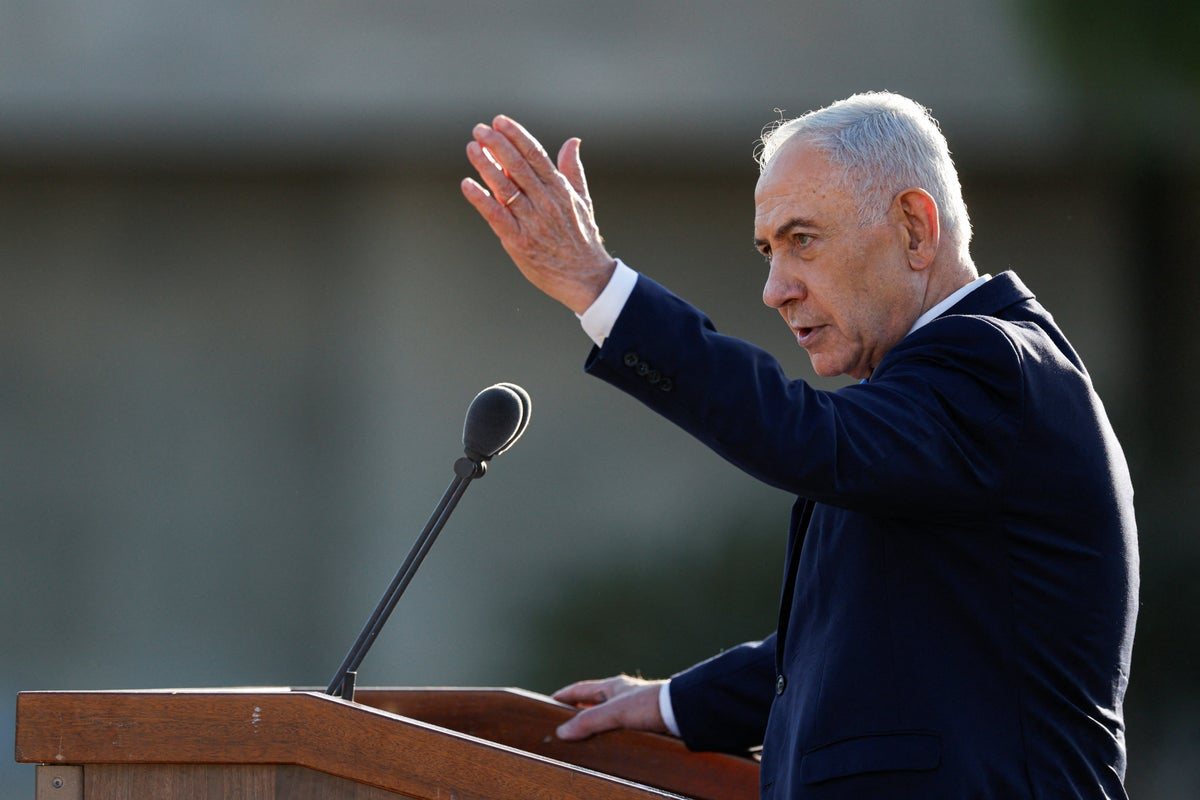
Benjamin Netanyahu is fighting for his political future as Israelis prepare to vote in the first national election since the October 7 attacks. His policies on matters of religion and state are unpopular with many voters, yet opinion polls in the run-up to the ballot have not shown a clear path to power for his rivals either.
The vote is being closely watched as a test of public sentiment after the attacks and the war that followed. Netanyahu has led the country through a period of intense military and political strain, and his decisions on the balance between religious authority and the secular state have divided the electorate. Many Israelis enter the campaign uncertain about the future direction of government, and the polls reflect that uncertainty rather than a decisive shift toward any single bloc.
The political picture is therefore one of fragmentation rather than a clear contest between two sides. Netanyahu faces opposition from figures who have so far failed to consolidate a lead of their own, and the margins in the surveys leave the outcome open. Analysts following the race note that the result will depend heavily on how undecided voters respond in the final stretch of the campaign.
For the wider region, the election carries weight because Israel's government shapes its approach to security, relations with neighbouring states and the handling of the ongoing conflict. Whoever emerges with the mandate to form a coalition will inherit those decisions at a time of heightened tension, making the composition of the next government a matter of international as well as domestic interest.
3