Start-up uses human blood cell computer to steer a robotic dog
A biotech start-up that previously used a biological computer to play Pong says the same technology can now be used to control robots, including a robotic dog.
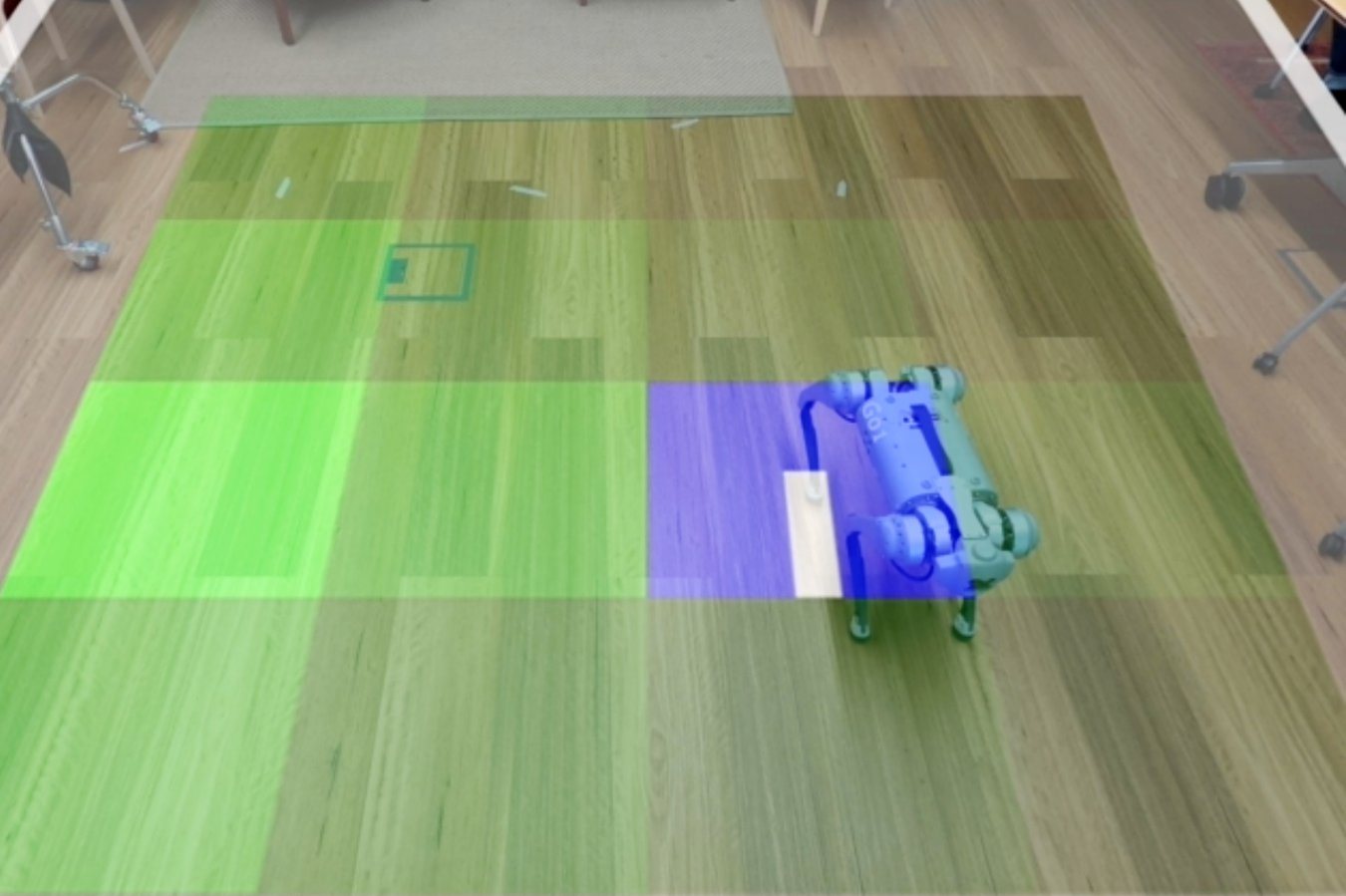
A start-up has used a biological computer built from human blood cells to control a robotic dog, the company says, extending a technology it had already demonstrated by playing the classic video game Pong.
The firm says its system uses living cells as the processing element, linking them to a computer that translates their activity into commands. In the Pong demonstration, the cells responded to the state of the game and helped drive the on-screen paddle. The company now argues that the same approach can be applied to physical machines, and it has shown the technology directing a robotic dog. The move from a software game to a moving machine is the central step in the announcement, because a robot must respond to its surroundings in real time and any control error has physical consequences rather than merely lost points.
The work sits within a broader effort to explore whether living neural or cellular material can perform computation, an area that lies between biology, computing and robotics. Researchers in this field are drawn to biological systems because they can adapt and respond to inputs in ways that conventional silicon chips do not. Such systems also raise practical questions about how cells are kept alive, supplied with nutrients and kept stable over time, which are issues that laboratory demonstrations typically do not have to address at scale. The approach remains experimental and far from commercial deployment.
The announcement is notable because it takes the technology out of a game environment and into a physical robot. The start-up's description frames the cells as a working component of the control loop rather than a passive sensor, a distinction that matters for anyone assessing whether the system is a computing platform or a novel interface. Based on the material available, the company has not published independent verification of how reliably the cells maintain control across extended runs, how the performance compares with conventional controllers, or what the cost and energy requirements are. Those questions, along with stability and scalability, remain open.
For the technology sector, the claim points to a possible new direction for computing hardware, but any practical use would depend on demonstrating repeatable performance well beyond controlled demonstrations. Robotics researchers are likely to look for detail on how the cells are integrated with the robot's sensors and actuators, how fast the loop operates and how often the system fails or needs to be reset. Until that information is available, the robotic dog should be understood as a proof of concept announced by the developer rather than an independently tested product. The company's assertions about robotic control are expected to be scrutinised as further detail is published.
8