Energy bills could approach £2,200 a year as Iran conflict lifts gas prices
Renewed conflict between the United States and Iran, combined with dwindling gas supplies in Europe, has pushed wholesale gas prices to record highs, raising the prospect of household energy bills rising towards £2,200 a year.
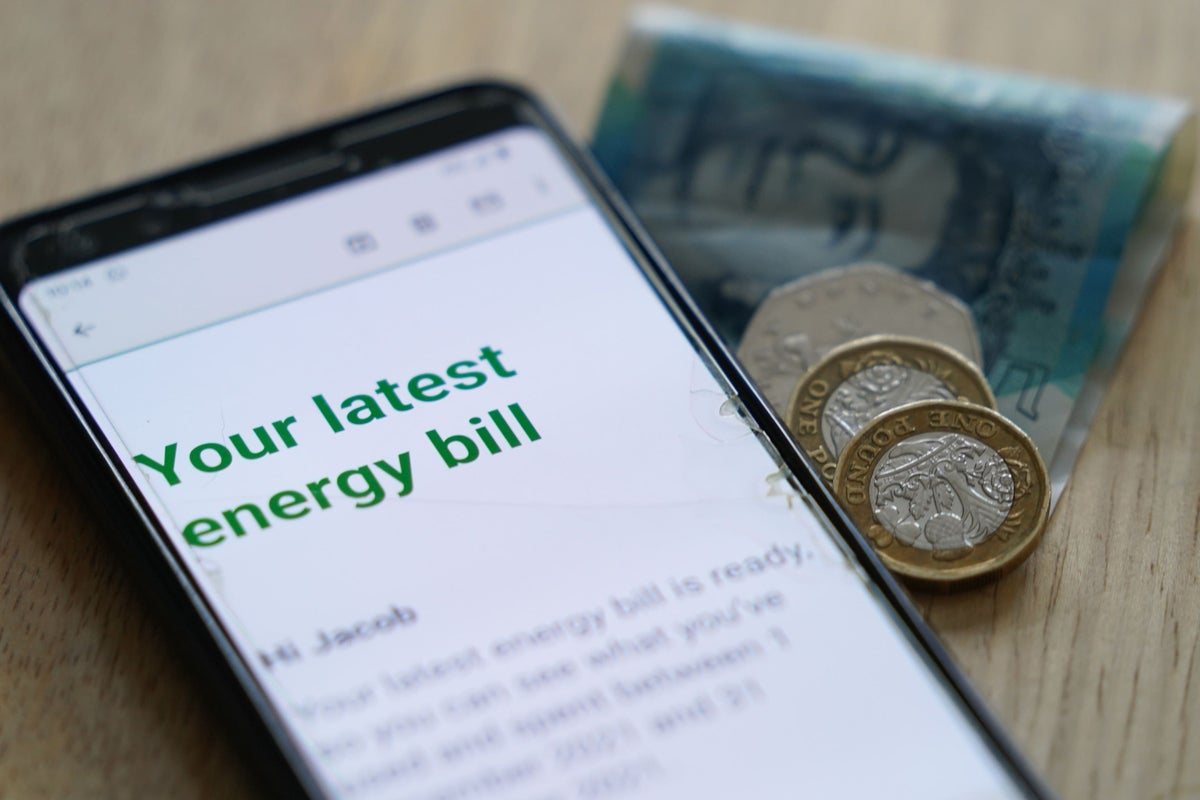
Household energy bills could climb to nearly £2,200 a year as renewed conflict between the United States and Iran drives up the price of gas. Wholesale gas prices have reached record highs after fighting resumed and supplies across Europe dwindled, a combination that is feeding directly into costs for British consumers.
The renewed hostilities have tightened an already fragile gas market. Europe has been drawing on limited reserves, and uncertainty over Middle Eastern supply routes has made buyers anxious about securing future volumes. Because wholesale gas sets the cost of electricity as well as heating, the rise in prices passes quickly through to the bills that households pay.
The projected figure of nearly £2,200 a year would represent a substantial increase on what many households have been paying. It underlines how exposed the UK remains to developments far beyond its borders. Energy costs have already been a persistent pressure on family budgets, and a sustained rise in the wholesale price is likely to be felt most acutely by lower-income households, who spend a larger share of their income on heating and power.
The effects extend well beyond the home. Energy is a core input for businesses and manufacturers, so higher gas prices can ripple through the wider economy, adding pressure to inflation and squeezing margins in industries that depend on affordable power. Gas also feeds electricity generation, which means that the cost increase is not confined to heating but reaches almost every part of daily economic life.
The timing of the price spike is closely tied to the renewed fighting. The resumption of conflict between Washington and Tehran has raised concern about disruption to energy flows from the region, and markets have responded by pricing in that risk. Europe, which has been working to refill storage and secure supplies, has found itself competing for limited volumes at a time when confidence in the market is fragile.
Whether prices stabilise will depend on how the conflict develops and on whether supplies can be replenished in the months ahead. Until there is clearer evidence that supply pressures are easing, households and businesses in Britain face the prospect of sustained higher energy costs, with the impact likely to be measured in hundreds of pounds on annual bills.
5