
Gambling Tax Rise Would Shut Shops and Cost Jobs, Industry Warns
The betting industry is pushing back against reports that Chancellor John Healey could double machine games duty from 20% to 40% in his first budget, a move the Social Market Foundation says could raise up to £460m a year.
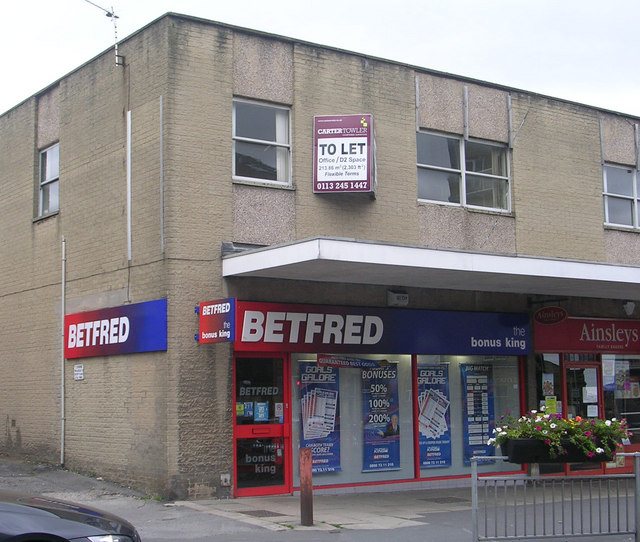
The betting industry is urging Chancellor John Healey not to double the tax on high-street slot machines in his first budget, warning that the measure would force shop closures and cost jobs. The dispute has erupted over reports that the Treasury is considering raising machine games duty (MGD) from 20% to 40%, a change that would affect thousands of betting shops across the country.
The Social Market Foundation, the most vocal advocate for the increase, estimates that doubling the duty could raise between £275m and £460m annually. That would come on top of the roughly £610m collected through the tax last year. The thinktank has argued that the current rate is too low and that higher duties would help address the social costs associated with high-street slot machines.
Industry figures have reacted angrily to the prospect, arguing that the tax burden would fall hardest on physical betting shops that are already struggling with changing consumer habits and rising operating costs. They contend that a sharp increase in MGD would make many locations unviable, leading to closures and job losses in communities that rely on the high street for employment.
The debate is part of a wider budget battle over how to fund public spending without raising taxes on working people. The chancellor is under pressure to find additional revenue, and gambling duties have emerged as one of the options under consideration. The Treasury has not confirmed whether the measure will be included in the budget.
At the centre of the argument is machine games duty, which applies to slot machines and similar gaming terminals in betting shops, arcades and other licensed venues. The tax is charged on the net stake and is currently set at 20%. Doubling it to 40% would represent one of the largest single increases in gambling taxation in recent years.
The Social Market Foundation has positioned itself as the leading voice calling for the rise. Its estimates suggest the change could generate hundreds of millions of pounds for the exchequer each year, money that could be directed towards public services or programmes addressing gambling-related harm. The thinktank has argued that the case for higher duties is strong given the scale of the industry and the social costs associated with machine gambling.
Opponents of the measure say the comparison with online gambling is misleading. They argue that high-street betting shops face a different cost structure and that a large increase in MGD would accelerate the decline of physical retail in the sector. Industry representatives have warned that closures would not only affect employees but also reduce footfall in town centres already under pressure from the shift to online shopping and entertainment.
The chancellor's first budget is expected to set the tone for the government's economic approach, and the gambling tax question has become a test case for how the Treasury balances revenue needs against the concerns of a visible and politically sensitive industry. The outcome will be watched closely by operators, employees and campaigners on both sides of the debate.
For now, the industry is lobbying hard against the change, while the Social Market Foundation and other supporters of the rise are making the case for higher duties. The decision rests with the chancellor, who must weigh the potential revenue against the risk of job losses and shop closures on the high street.
6