
Energy price cap rises 4% to three-year high as winter bills squeeze households
Ofgem's October price cap will push average household energy bills to £1,723 a year, the highest since 2023, as global market pressures drive a second consecutive quarterly increase.
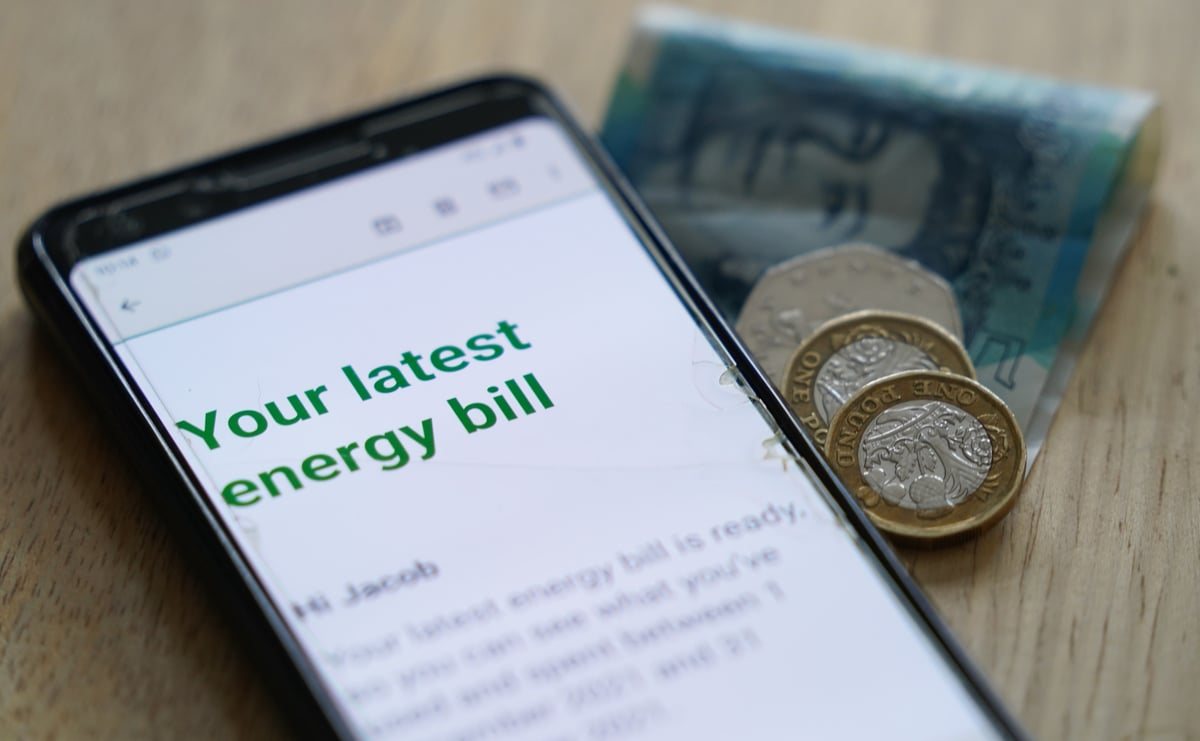
Millions of households in Great Britain are set to face the highest energy charges in three years this winter after the regulator Ofgem raised its price cap by 4% for the October quarter. The new cap takes the average annual household bill to the equivalent of £1,723, marking the steepest level since July 2023 and intensifying pressure on family budgets during the colder months.
The increase follows a 13% rise at the start of July, meaning bills have climbed twice within three months. Ofgem attributes the latest adjustment to soaring global energy market prices, which have been driven upward by the war on Iran and its effect on international supply chains. The price cap sets a maximum limit on what suppliers can charge for each unit of gas and electricity, as well as the daily standing charge, and applies across England, Scotland and Wales.
The announcement has prompted renewed calls for government support, with campaigners and industry figures warning that vulnerable households will struggle to cope. An estimated 10 million households were already finding it difficult to afford their energy before this latest rise, according to industry data. EDF, one of the country's largest suppliers, has cautioned that bills are likely to remain elevated for the rest of the decade, citing persistent volatility in wholesale markets.
The timing of the increase is particularly challenging, as it coincides with the onset of winter when consumption naturally rises. Consumer groups have pointed out that the cumulative effect of the July and October increases will add hundreds of pounds to annual outgoings for a typical family, compounding the strain from other cost-of-living pressures. The cap is reviewed quarterly by Ofgem, which adjusts it to reflect changes in wholesale prices, network costs, and policy obligations.
Analysts note that the current trajectory reflects a broader structural problem in the UK energy market, which remains heavily exposed to international price shocks. Unlike some European neighbours, Britain relies on global markets for a significant share of its gas supply, leaving domestic consumers vulnerable to geopolitical disruptions. The war on Iran has exacerbated this exposure, with supply concerns pushing up prices across the continent.
The rise also carries political implications, as the government faces scrutiny over its handling of the energy crisis. Critics argue that more decisive intervention is needed to shield households, whether through targeted rebates, social tariffs, or reforms to the price cap mechanism itself. Supporters of the current approach maintain that the cap remains an essential safeguard against excessive supplier charges, even if it cannot insulate consumers from global market realities.
For now, households are being advised to review their tariffs, consider fixed deals where available, and take steps to improve energy efficiency ahead of winter. Suppliers are required to notify customers of the new rates, and those struggling to pay are encouraged to contact their provider for assistance. The October cap will remain in force until the end of the year, when Ofgem will announce the next quarterly adjustment.
55