
Bank of England Holds Interest Rates at 3.75% Amid Rising Inflation Fears
The Bank of England’s Monetary Policy Committee voted 6-3 to keep the base rate unchanged, warning that a further escalation in the Iran conflict could drive inflation above 4% next year.
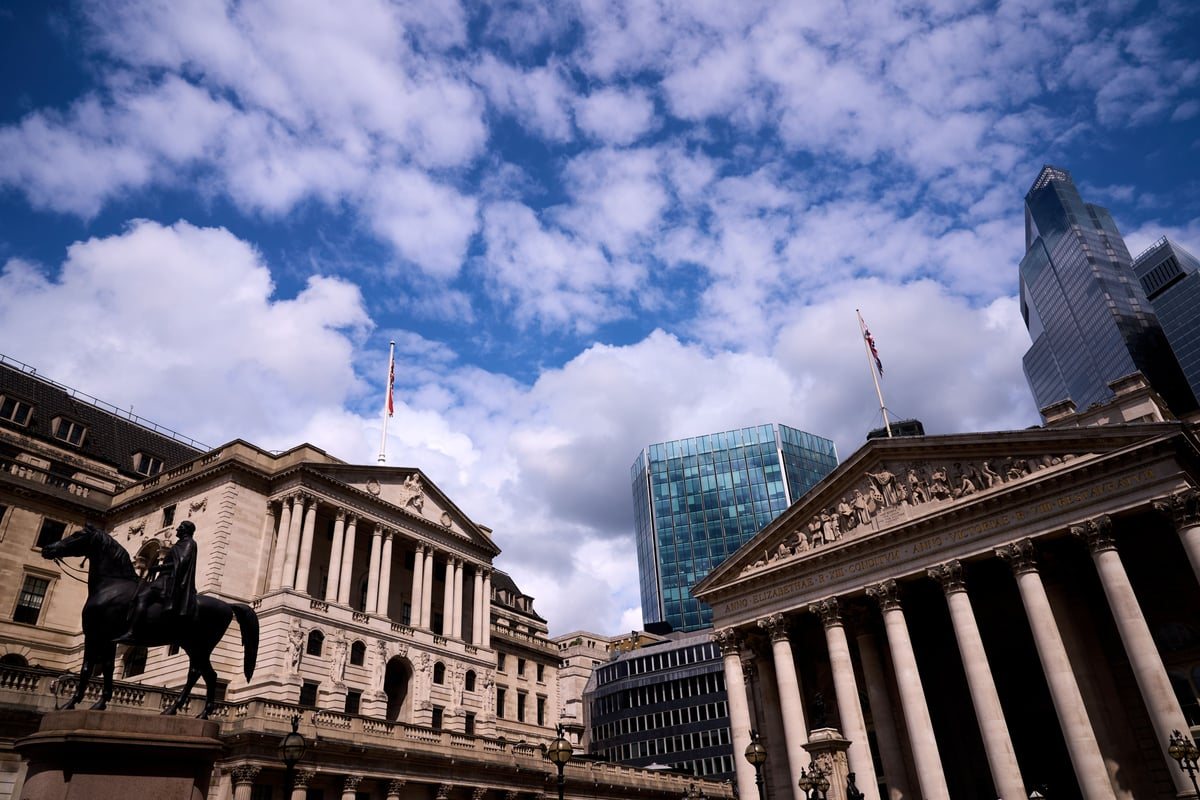
The Bank of England has held UK interest rates at 3.75 per cent, with a split vote on the Monetary Policy Committee reflecting growing anxiety over the inflation outlook. Six members voted to keep the base rate unchanged, while three favoured an increase, arguing that more action is needed to prevent price pressures from becoming entrenched.
The decision comes as the Middle East conflict intensifies again, with Iran’s war rekindled and global oil prices climbing back above $90 a barrel. The Bank warned that a further escalation could push inflation above 4 per cent next year, adding to the cost-of-living strain already faced by millions of households.
Alongside geopolitical tensions, the MPC pointed to rising costs for energy and memory chips as key drivers of future inflation. Memory chips are essential components in smartphones, computers, and vehicles, while higher energy prices affect everything from manufacturing to heating bills. These factors are expected to lift inflation in the coming months, complicating the Bank’s task of returning price growth to the 2 per cent target.
Interest rates have remained at 3.75 per cent since December 2025, following a series of cuts from the peak of 5.25 per cent earlier that year. However, the latest minutes suggest that the next move could be a hike, with market analysts now pricing in a high probability of an increase before the end of 2026. Governor Andrew Bailey has reiterated that the committee will be data-driven, ready to adjust policy as the economic situation evolves.
For mortgage borrowers, the hold decision provides temporary relief for those on variable-rate deals, as monthly payments will not rise immediately. However, the prospect of a future rate increase means that many homeowners face continued uncertainty. Those on fixed-rate mortgages expiring soon may need to prepare for higher refinancing costs.
Savers, on the other hand, may welcome the current level of deposit rates, which remain at relatively attractive levels compared to the near-zero era. Should the Bank raise rates later, savings accounts could offer even better returns.
The UK economy is navigating a complex landscape. While headline inflation has fallen sharply from its double-digit peak, core inflation – which excludes volatile food and energy – has proved stickier. The combination of higher oil prices, supply chain disruptions from the Middle East, and rising commodity costs could delay the return to stable price growth.
The MPC’s three dissenting members argued that waiting too long to raise rates risks allowing inflation to become embedded, which would require even more aggressive tightening later. Their view highlights the deep divisions within the committee over the appropriate policy path.
Financial markets reacted quickly to the announcement, with sterling strengthening against the dollar as traders adjusted their rate expectations. Bond yields also edged higher, reflecting bets on a future rate increase.
The Bank’s next policy meeting is scheduled for September, at which point new economic forecasts will be published. Policymakers will be closely watching oil prices, wage growth, and services inflation for signs that price pressures are easing or intensifying.
Ultimately, the decision to hold rates buys the MPC more time to assess the impact of previous tightening and the evolving geopolitical risks. But with inflation threats mounting, the era of stable, low borrowing costs may be drawing to a close.