
Healey Plans Small Business Tax Cuts to Revive High Streets in First Budget
The Chancellor is reportedly weighing cuts to business rates in an effort to revitalise struggling high streets, with small firms set to benefit from the first Budget of the new government.
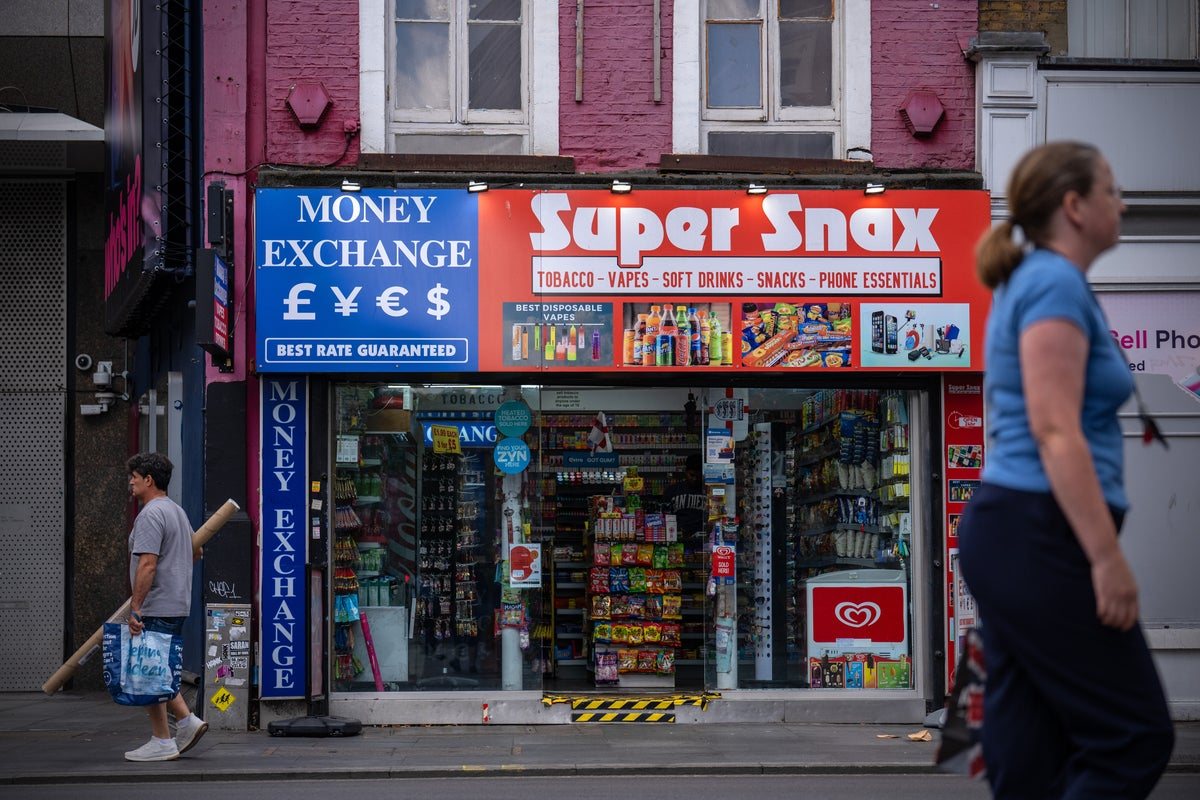
The Chancellor, John Healey, is preparing to use his first Budget to cut taxes for small businesses as part of a wider push to revive Britain's high streets, according to reports. The move would see business rate reductions targeted at smaller firms, a measure designed to ease cost pressures on independent retailers and breathe new life into town centres that have struggled in recent years.
Business rates are a property tax levied on commercial premises and have long been a source of complaint from small retailers, who argue the system unfairly favours large online operators. A cut would represent a significant intervention in the retail sector, where rising costs, changing consumer habits and the growth of e-commerce have combined to leave many high streets with vacant units and reduced footfall.
The reported plan forms part of the Chancellor's first Budget, a fiscal event that will set the tone for the government's economic approach. While the full details have yet to be confirmed, the direction of travel suggests a deliberate effort to support small enterprises and the communities that depend on them. Small businesses are major employers in local economies, and their health is often seen as a barometer for the wider economic mood.
High street revival has become a recurring theme in British politics, with successive governments promising to halt the decline of town centres. The challenge is considerable: business rates, energy costs, staffing pressures and competition from online giants have all contributed to a difficult trading environment. A targeted tax cut would offer immediate relief, though analysts caution that rates reform alone is unlikely to reverse long-term structural shifts in how people shop.
The Chancellor is said to be weighing the measure ahead of the Budget, with the final package still under discussion. If implemented, the cut would be welcomed by small business groups that have campaigned for years for a more level playing field. Retailers have consistently argued that the current rates system penalises physical stores while online-only competitors pay proportionally less, creating what they describe as an unfair advantage.
The political context adds weight to the decision. Reviving high streets is a popular objective that crosses party lines, and a visible tax cut for small firms would allow the government to claim it is delivering on promises to support local economies. However, the fiscal room for manoeuvre is limited, and any reduction in business rates must be balanced against the need to fund public services. The Chancellor will need to demonstrate that the cut is affordable and that it forms part of a coherent growth strategy rather than a one-off gesture.
For small business owners, the announcement cannot come soon enough. Many have faced years of squeezed margins and uncertain demand. A reduction in business rates would lower fixed costs, potentially allowing firms to retain staff, invest in their premises or simply stay afloat. In some cases, it could make the difference between closing and continuing to trade, particularly in areas where high streets have already lost anchor tenants such as banks and department stores.
The Budget will also be scrutinised for its broader economic signals. The Chancellor's first fiscal statement is traditionally a moment for setting out priorities, and the emphasis on small business tax cuts suggests a focus on enterprise and local growth. Whether the measure is enough to spark a genuine high street revival remains to be seen, but it marks a clear recognition that small firms are central to the government's economic narrative.
Further details are expected when the Chancellor presents the Budget. Until then, the reported plan has already sparked discussion among business groups, local authorities and retailers, all of whom will be watching closely to see whether the promised cuts materialise and how they will be implemented. The stakes are high, both for the government's economic credibility and for the millions of people who work in and rely on Britain's high streets.