
Trump Bans CNN, MS Now and Politico from White House Over 'Fake News' Coverage
President Donald Trump has barred CNN, MS Now and Politico from White House access, escalating a long-running campaign against mainstream media and raising fresh First Amendment concerns.
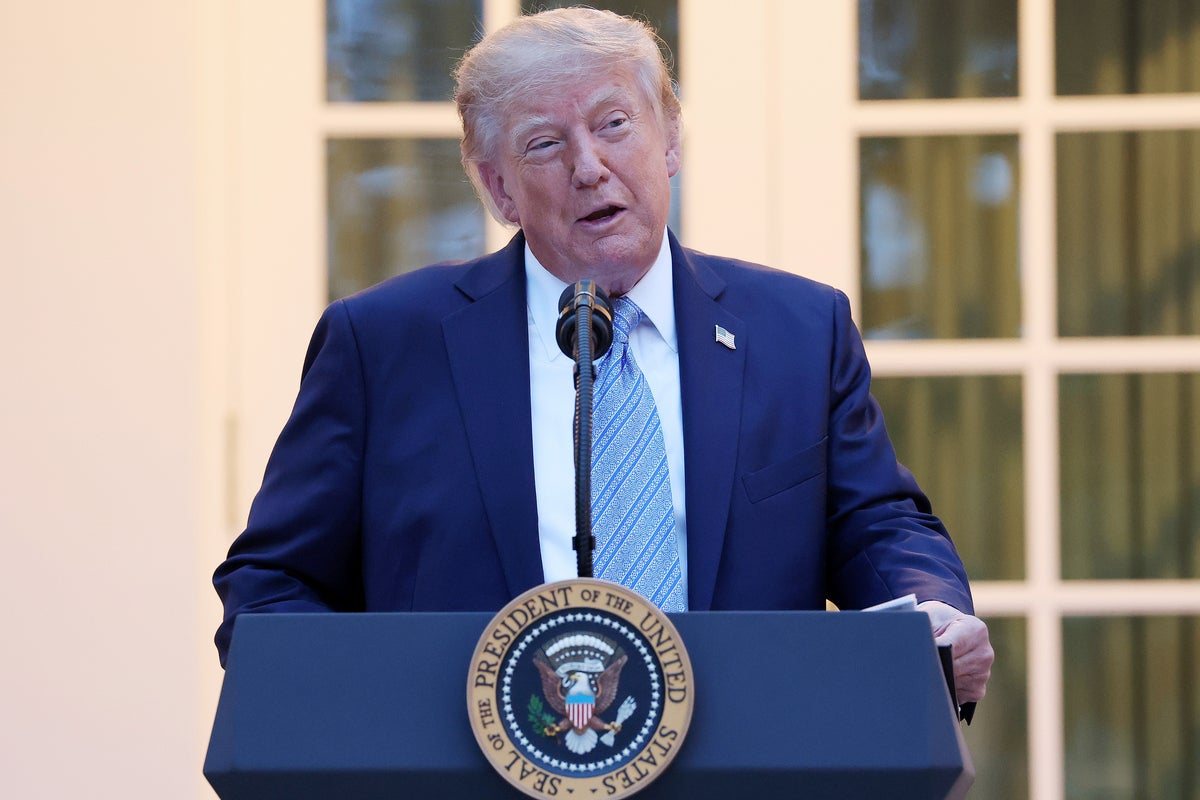
President Donald Trump has announced that CNN, MS Now and Politico are banned from the White House, in an unprecedented move that threatens to further insulate the president from direct critical questioning. The announcement, made in a post on his Truth Social platform, cited what he called the outlets' «constant 'reporting' FAKE NEWS!» as the reason for their expulsion.
The ban marks a significant escalation in Trump's long-running campaign against mainstream news organisations. Since the start of his second term, the president has overseen an unprecedented restriction of access for major traditional news media, and Friday's action extends that pattern to three prominent outlets with large national audiences.
In the same post, Trump threatened that other media organisations could face similar punishment, suggesting the ban may not be limited to the three named outlets. The White House has not indicated how long the restrictions will remain in place or whether they might be expanded.
The move has drawn immediate criticism from press freedom advocates, who argue it violates the First Amendment of the US Constitution, which guarantees freedom of the press. The White House Correspondents' Association and other media bodies have previously warned that restricting access to the president undermines the public's ability to hold power to account.
CNN, MS Now and Politico have not yet issued formal responses to the ban. The three outlets represent a mix of broadcast and digital media, and their exclusion from White House briefings and events would leave a substantial gap in coverage of the administration.
The ban is the latest in a series of actions by the Trump administration aimed at reshaping the relationship between the presidency and the press. During his first term, Trump frequently clashed with reporters and labelled critical coverage as «fake news», but the formal exclusion of specific outlets from White House grounds represents a more direct use of executive power.
Legal experts have noted that while the White House has some discretion over who receives credentials, blanket bans based on coverage raise serious constitutional questions. Previous attempts to restrict press access have faced legal challenges, and the current ban is likely to be tested in court.
The development comes amid a broader political climate in which trust in media remains deeply polarised. Supporters of the president have argued that traditional outlets are biased against him, while critics contend that such bans are an attempt to avoid scrutiny and control the flow of information.
For now, the practical effect is that three major news organisations will be unable to report directly from the White House, relying instead on second-hand accounts and pool reports. The longer-term consequences for press freedom and public access to information remain uncertain.