
Trump Says He Is Banning Three Major US Media Outlets Over 'Fake News'
President Donald Trump has said he is banning three major US media outlets from the White House over what he calls fake news reporting, escalating his long-running confrontation with the national press.
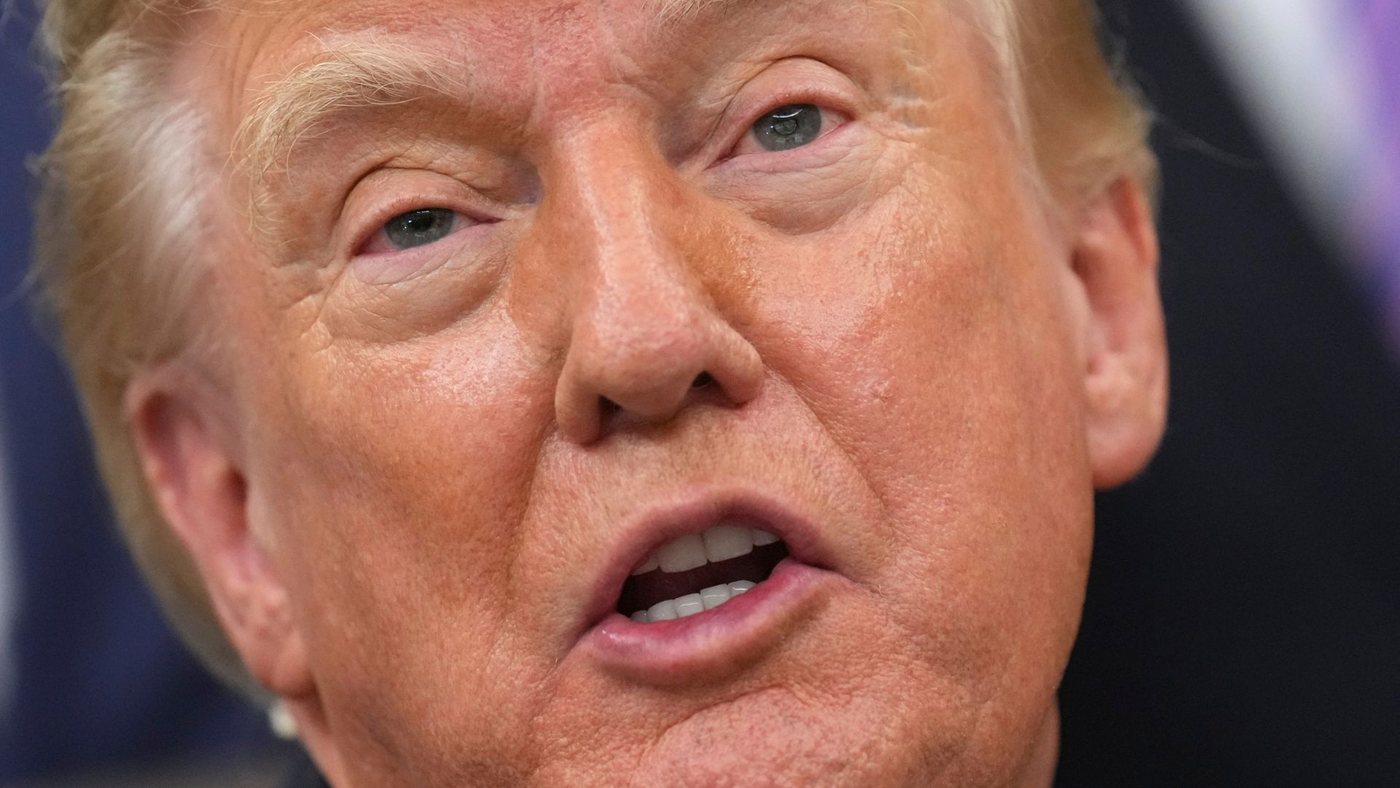
President Donald Trump has said he is banning three major US media outlets from covering the White House, accusing them of reporting what he described as fake news. The announcement, made during an appearance in the Oval Office, marks a sharp escalation in the president's long-running confrontation with sections of the national press.
Trump did not name the three outlets in the remarks, leaving the scope of the ban unclear. The White House has not issued formal written guidance on how the restriction would operate, which outlets would be affected, or whether it would apply to press credentials, access to briefings, or both. The comments came during an Oval Office event focused on healthcare, where the president took questions from reporters.
The move follows a pattern of friction between the Trump administration and major news organisations. Since returning to office, Trump has repeatedly criticised broadcasters and newspapers over coverage he disputes, and has threatened to review or revoke broadcast licences. The president has also clashed with reporters over access to official events and has at times limited which outlets are permitted into certain spaces.
Press freedom groups have consistently warned that restricting access to the White House on the basis of coverage sets a precedent that could weaken scrutiny of the executive branch. The White House Correspondents' Association has historically defended pooled access for major outlets, arguing that a free press serves the public interest regardless of which party holds power. Any formal ban would likely draw legal and political challenges, though the administration has not detailed how it would enforce the measure.
The announcement also lands amid a broader period of assertive foreign policy messaging from the president. On the same day, Trump said the United States had entered a deal with Denmark giving Washington control over security matters in Greenland, a development that has drawn attention in Europe and among Nato allies. The Greenland remarks and the media ban statement both came during a busy stretch of Oval Office activity.
For now, the practical consequences of the media ban remain uncertain. It is not clear whether the three outlets will lose permanent access to the White House briefing room, be excluded from travelling press pools, or face other restrictions. News organisations affected have not yet responded publicly to the president's remarks, and the White House has not clarified whether the ban is immediate or would take effect at a later date.
The episode is likely to intensify debate in Washington over the boundaries between a president's ability to control his own communications and the press's role in holding power to account. Trump has framed his criticism as a response to inaccurate reporting, while media figures argue that access restrictions punish legitimate journalism rather than address specific factual disputes. The coming days will show whether the president's statement translates into a formal policy or remains a rhetorical escalation.