Xi and Putin open Apec summit in China as world leaders gather
Chinese President Xi Jinping and Russian President Vladimir Putin gave opening speeches at the Apec summit in Shenzhen, where a much-watched meeting with Donald Trump is expected, and US Secretary of State Marco Rubio defended the case for engaging with rivals.
Chinese President Xi Jinping and Russian President Vladimir Putin delivered opening speeches at the Asia-Pacific Economic Cooperation (Apec) summit in the southern Chinese tech hub of Shenzhen, as leaders from across the region gathered for the meeting. The opening remarks set the tone for a summit that has drawn intense attention because of a highly anticipated trilateral encounter involving Xi, Putin and US President Donald Trump later in the week.
Xi and other Asian leaders used the gathering to argue that the Asia-Pacific region must pursue more open trade and equitable growth. The message fits the forum's long-standing purpose: Apec brings together economies around the Pacific to coordinate on trade, investment and economic cooperation, and the emphasis on openness comes at a time when tariffs and rival trading blocs have reshaped commerce across the region.
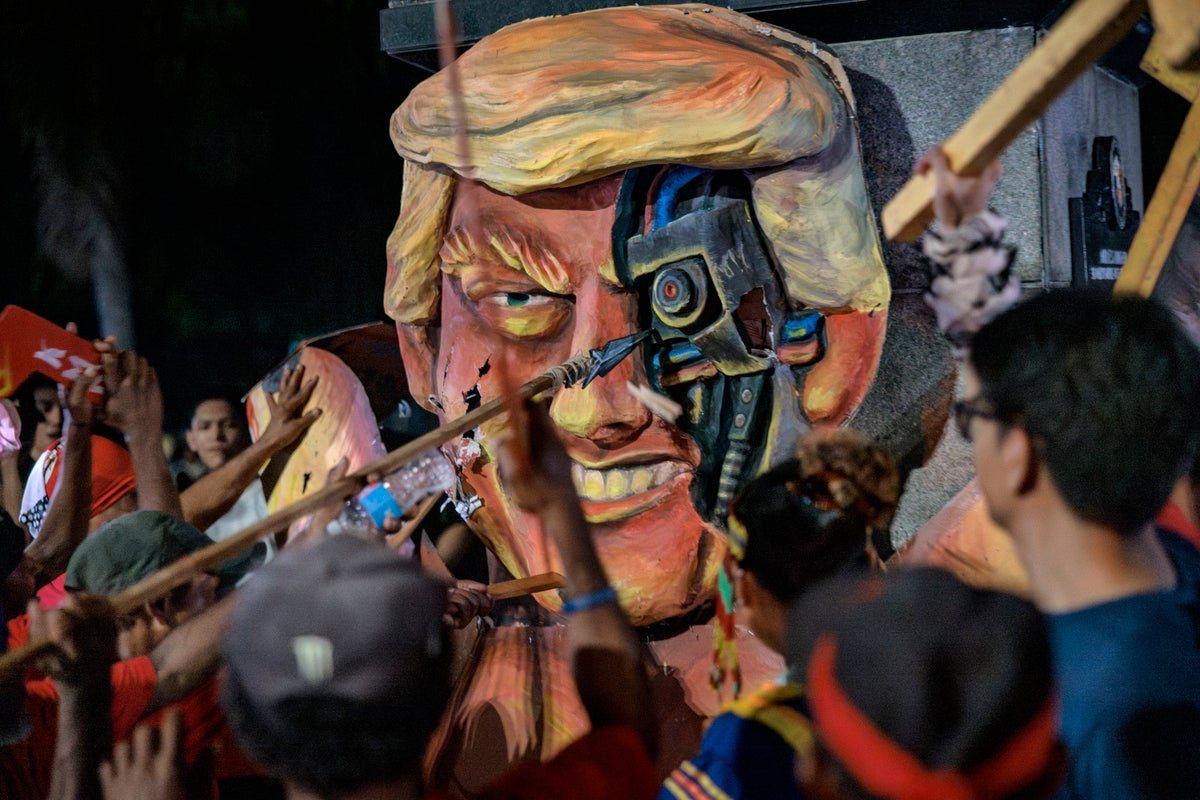
Trump arrived in the Philippines on Tuesday ahead of the meeting, and his trip drew protest. Hundreds of anti-Trump demonstrators were arrested as he arrived for the Asia summit trip, according to reports from the region. The arrests underline how the US president's travels in Asia have become a focal point for domestic and regional opposition, even as diplomats prepare for talks that could bring the leaders of three of the world's most powerful states into the same room.
Speaking to reporters in Manila, Rubio addressed speculation that North Korean leader Kim Jong-un might attend the Apec summit. Asked how serious the idea was, Rubio said it was serious in the sense that the president had never viewed meeting and talking to someone as a concession. He argued that problems cannot be solved with people you disagree with if you refuse to speak to them, and he rejected what he described as a conventional thought in American foreign policy: that meeting an adversary grants them credibility or implies endorsement of their actions. Rubio said he was glad the president did not see it that way.
Rubio's remarks mark a clear position in a debate that has run through US foreign policy for decades, over whether direct engagement with governments such as Pyongyang, Beijing or Moscow rewards bad behaviour or opens a channel for resolving disputes. The Shenzhen summit therefore carries significance beyond trade: the question of who sits across the table, and how willingly, is central to the diplomacy unfolding around it.
The Apec gathering in China comes as the region weighs its economic future, and the presence of the three leaders of Russia, China and the United States is likely to keep attention fixed on whether the sessions produce concrete agreements or mainly symbolic exchanges. Further details of the trilateral meeting and of any outcomes from the opening speeches are expected as the summit proceeds.
Source: theguardian.com
49