WHO Seeks Answers as Russia Stays Silent on Siberian Plague Death
Nearly three weeks after a health worker died of a mysterious respiratory illness at a Siberian plague research unit, Russian officials have refused to clarify whether an outbreak occurred, leaving the World Health Organization and international community concerned about transparency and future pandemic coordination.
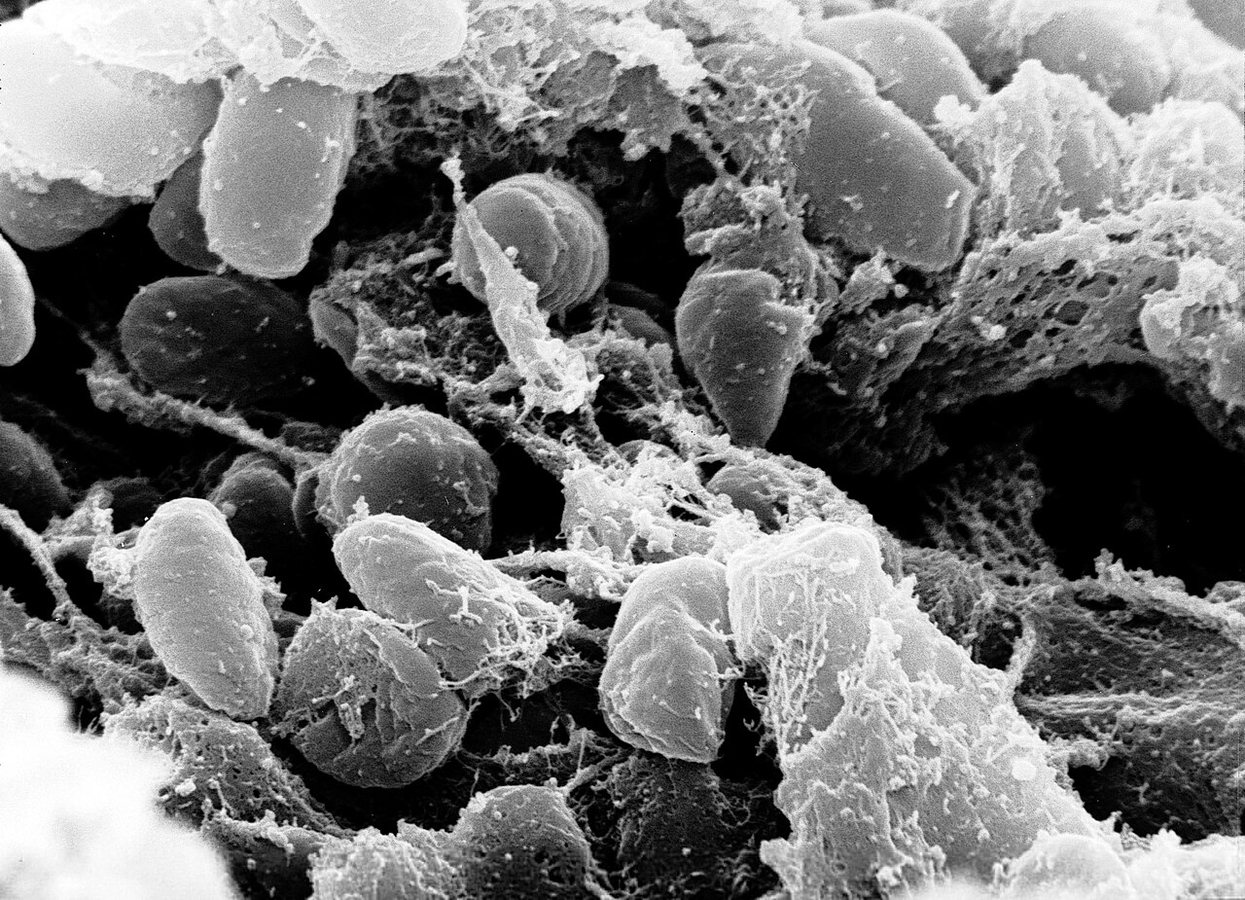
The World Health Organization is pressing Russia for information nearly three weeks after a health worker died of a mysterious respiratory illness at a plague research unit in Siberia, amid official silence on whether further cases have emerged. The lack of clarity has alarmed international health officials less because of the immediate risk — plague is treatable with swift medical intervention — than because it signals a broader breakdown in the cooperation that underpins global pandemic preparedness.
Russian state officials have been consistently tight-lipped since the death, declining to confirm or deny an outbreak and offering no public account of what happened at the facility or whether other staff or local residents have fallen ill. The WHO has received no substantive response to its requests for details, according to the editorial published by The Guardian. The uncertainty has left international observers unable to assess even the limited danger the incident might pose.
The immediate public health risk is considered very small. Plague, caused by the bacterium Yersinia pestis, responds well to antibiotics when identified early, and modern outbreaks are typically contained quickly when health authorities act transparently. The Siberian facility is a research unit, meaning any exposure would likely have been confined to a small number of workers. But the absence of information prevents the WHO from verifying that containment measures were taken, that contacts were traced, or that no further infections have occurred.
More significant, the episode has become a test case for international health coordination at a moment when that system is already under strain. The WHO relies on member states to report unusual disease events promptly and honestly under the International Health Regulations, the binding framework that governs how countries share information about public health threats. When a member state withholds details, the organisation has few enforcement tools beyond diplomatic pressure and public appeals.
The concern is not confined to this incident. The editorial argues that the coordination mechanisms built up to prevent and respond to pandemics are fraying alongside the wider architecture of international politics. Trust between states, the willingness to share sensitive health data, and the credibility of official assurances have all eroded in recent years, leaving the world less prepared for the next major outbreak than the systems on paper suggest.
Russia has a history of secrecy around disease events and has clashed with international health bodies over access and reporting in the past. The current silence fits a pattern in which domestic political considerations override the norms of global health transparency. For the WHO, the practical problem is that it cannot investigate what it is not told about, and it cannot reassure other countries that a threat has been contained when the affected state refuses to confirm the basic facts.
The stakes extend beyond Siberia. If states learn that withholding information carries no meaningful cost, the incentive to report honestly weakens for everyone. Future outbreaks — whether of plague, influenza, or a novel pathogen — depend on early warning, and early warning depends on the willingness of governments to speak plainly when something goes wrong. The Siberian death may prove to be an isolated event with no wider consequences. But the silence surrounding it is a warning in itself, and one that international health officials say they cannot afford to ignore.
8