
Violence Erupts in Spain as Housing Protests Follow Snap Election Call
Protests over Spain's housing crisis escalated into violent clashes with police within hours of the socialist prime minister announcing a snap general election, as anger over rents and affordability collides with national politics.
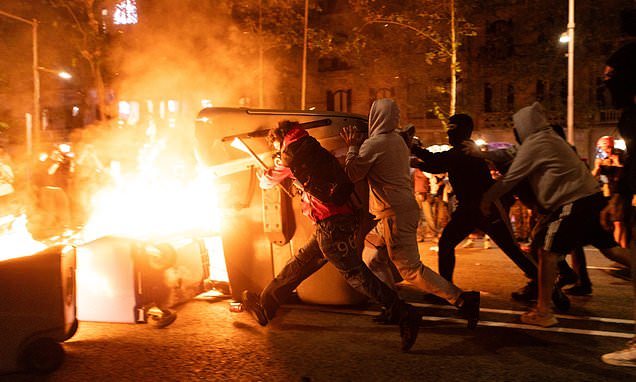
Demonstrations across Spain over the country's housing crisis have escalated into violent confrontations with police, erupting within hours of the socialist prime minister's announcement of a snap general election. The timing has thrust housing affordability to the centre of a national political contest, turning a long-simmering social grievance into an immediate electoral battleground.
Protesters and officers clashed as crowds gathered to demand action on rents, mortgages and access to housing. The unrest followed the prime minister's decision to call an early vote, a move that opposition parties and commentators have linked to the government's handling of the cost-of-living squeeze, particularly in major cities where rental prices have outpaced wages for years.
The violence marks a sharp escalation in a protest movement that had largely remained peaceful. Housing has become one of the most divisive issues in Spanish politics, with young people and low-income households struggling to afford rents in Madrid, Barcelona and other urban centres. The government has pointed to measures aimed at capping rent increases and boosting social housing, but critics say those steps have been too slow and too limited to ease the pressure.
The snap election call has added a new dimension to the crisis. By framing the vote as a referendum on his administration's record, the prime minister has effectively invited voters to judge him on housing and the broader economy. Opposition parties are expected to seize on the unrest as evidence that the government has lost control of a core domestic issue, while the left may argue that only its policies can protect tenants from market forces.
Police have not yet released detailed figures on arrests or injuries, and it remains unclear how the clashes will affect the wider protest movement. Previous demonstrations have drawn tens of thousands of people in cities across the country, and organisers have warned that further action is likely if demands for affordable housing are not met. The violence risks alienating public sympathy, but it also signals the depth of frustration among those priced out of the market.
The political calendar now overlaps with a volatile social moment. Campaigning will unfold against a backdrop of continued protests, giving housing an unusually prominent role in a national election. For the prime minister, the gamble is that voters will reward his party for confronting the crisis; for the opposition, the unrest offers a chance to argue that the government's approach has failed.
Spain is not alone in facing housing stress, but the combination of rapid price growth, limited supply and a highly politicised moment has made the issue particularly explosive. How the government and opposition respond in the coming weeks will shape not only the election outcome but also the tone of public debate in a country where home ownership has long been a central aspiration and a source of financial security.
7