US Supreme Court Rejects Trump's Mail Ballot Restrictions Ahead of Midterms
The US Supreme Court has rejected President Donald Trump's attempt to restrict mail-in voting, allowing states to continue sending ballots under existing procedures as midterm elections get underway.
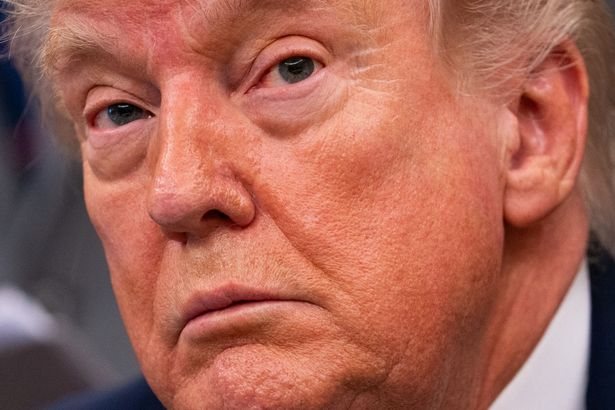
The US Supreme Court has rejected President Donald Trump's bid to impose restrictions on mail-in ballots, clearing the way for states to continue using voting procedures that have been in place for years. The decision, delivered as early voting for the midterm elections is already underway, removes a last-minute legal obstacle that could have disrupted the administration of the polls.
The ruling followed a flurry of emergency legal action in the final weeks before the midterms. Election officials had warned that a complete overhaul of the mail voting system could not be carried out in the short time remaining before voters head to the polls. Three states had already begun sending mail ballots to voters over the past week, making any sudden change to the rules impractical and potentially chaotic.
The court's decision allows states to keep sending out mail ballots under the same processes they have followed for years, despite the president's efforts to limit the system. The dispute had become a focal point of broader political tensions over election administration, with mail voting remaining a contentious issue in US politics since the 2020 presidential election.
Trump has repeatedly criticised mail-in voting, arguing without evidence that it is vulnerable to fraud. Multiple studies and court rulings have found no widespread fraud in mail balloting. The president's latest legal push came as election officials across the country were already processing absentee requests and preparing for what is expected to be a high-turnout midterm cycle.
The Supreme Court's rejection means that, for now, the existing mail voting procedures will remain in force through the midterm elections. The decision is a setback for the White House, which had hoped to tighten rules around absentee ballots in several states. It also underscores the limited scope for last-minute federal intervention in elections that are administered primarily by state and local authorities.
Election administrators had cautioned that any abrupt change to mail ballot rules would have created confusion for voters and logistical problems for postal services and counting centres. With ballots already in the mail, officials argued that the system needed to remain stable to ensure that every valid vote could be cast and counted.
The ruling comes as both parties intensify their efforts to mobilise voters ahead of the midterms. Mail voting has become increasingly popular in the United States, with millions of voters choosing to cast their ballots by post in recent elections. The procedure varies by state, but many jurisdictions allow voters to request an absentee ballot without an excuse and to return it by mail or at designated drop boxes.
Legal experts noted that the Supreme Court's decision does not settle the broader debate over mail voting, but it does preserve the status quo for the current election cycle. Further challenges could still emerge, but with voting already in progress, the window for major changes is effectively closed.
The president's legal team had argued that the restrictions were necessary to protect the integrity of the vote. Opponents, including state election officials and voting rights groups, contended that the measures would disenfranchise legitimate voters and create unnecessary barriers. The court's rejection leaves those arguments to be fought another day, but for now, the mail ballot system will operate as it has for years.
With the midterms approaching, attention will now shift to how smoothly the voting process unfolds and whether any further legal disputes arise. For voters who have already received their ballots, the court's decision provides certainty that their votes will be accepted under the established rules.