Healey backs away from welfare cuts as public finances face £28bn gap
Chancellor John Healey has ruled out cutting the cost of welfare this parliament, as experts warn his first budget ducked major tax and spending decisions amid a £28bn shortfall in public finances.
Chancellor John Healey has backed away from cutting the cost of welfare during this parliament, a move that came as experts warned his first budget could lead to tough spending cuts because of a £28bn shortfall in public finances.
Economists and fiscal analysts criticised Healey's budget on Thursday, describing it as a steady-as-she-goes approach that avoided the big tax and spending choices the public finances require. The Institute for Fiscal Studies said the chancellor had left himself a mountain to climb by postponing those decisions. Its judgement was that the budget did little to close the gap, leaving the Treasury with limited room to manoeuvre in the years ahead.
The retreat on welfare spending stands out because the cost of benefits has been one of the fastest-growing pressures on the public purse. Ministers have repeatedly said they want to bring the welfare bill down, and the question of how to do so has been central to the government's fiscal debate. By stepping back from a cut in welfare costs over the course of this parliament, Healey has removed one of the most obvious levers available to him, leaving the shortfall to be addressed by other means.
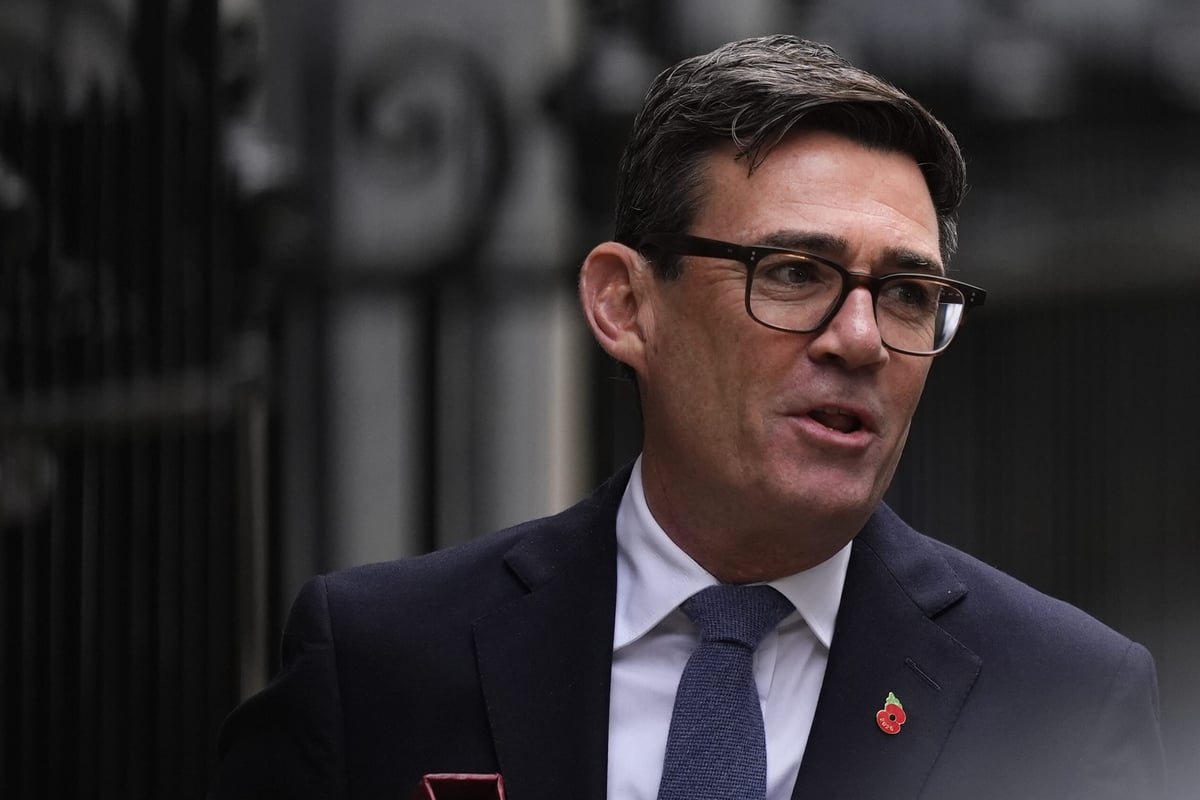
Prime Minister Andy Burnham responded to the criticism by insisting that the government was pursuing the goal energetically. He said: « We want to get the welfare bill down as quickly as possible, and we're working flat out to that end. » His comments sought to reassure those who fear that the government lacks a clear plan for welfare, even as the budget itself was seen as falling short of the decisions that many observers had expected.
The gap between the government's stated ambition and the measures in the budget is the central point of criticism. Analysts argue that without firm decisions on tax and spending, the Treasury faces the prospect of deeper cuts to public services later in the parliament if the shortfall is not closed. Healey's budget, in this reading, postpones the difficult choices rather than resolving them, which is why the warnings about brutal spending cuts have gained traction.
For now, the chancellor's approach has defined the immediate debate: a budget that holds the current course on welfare and avoids major changes to taxation, while the £28bn hole in public finances remains unaddressed. Whether the government can deliver on its promise to reduce the welfare bill without the structural changes that critics demand will be a key test of Healey's fiscal leadership in the months ahead.
8