UN top court rules Myanmar committed genocide against Rohingya
The International Court of Justice found Myanmar guilty of genocide against the Rohingya minority, the first country in history to be convicted of the crime, in a 9-6 ruling.
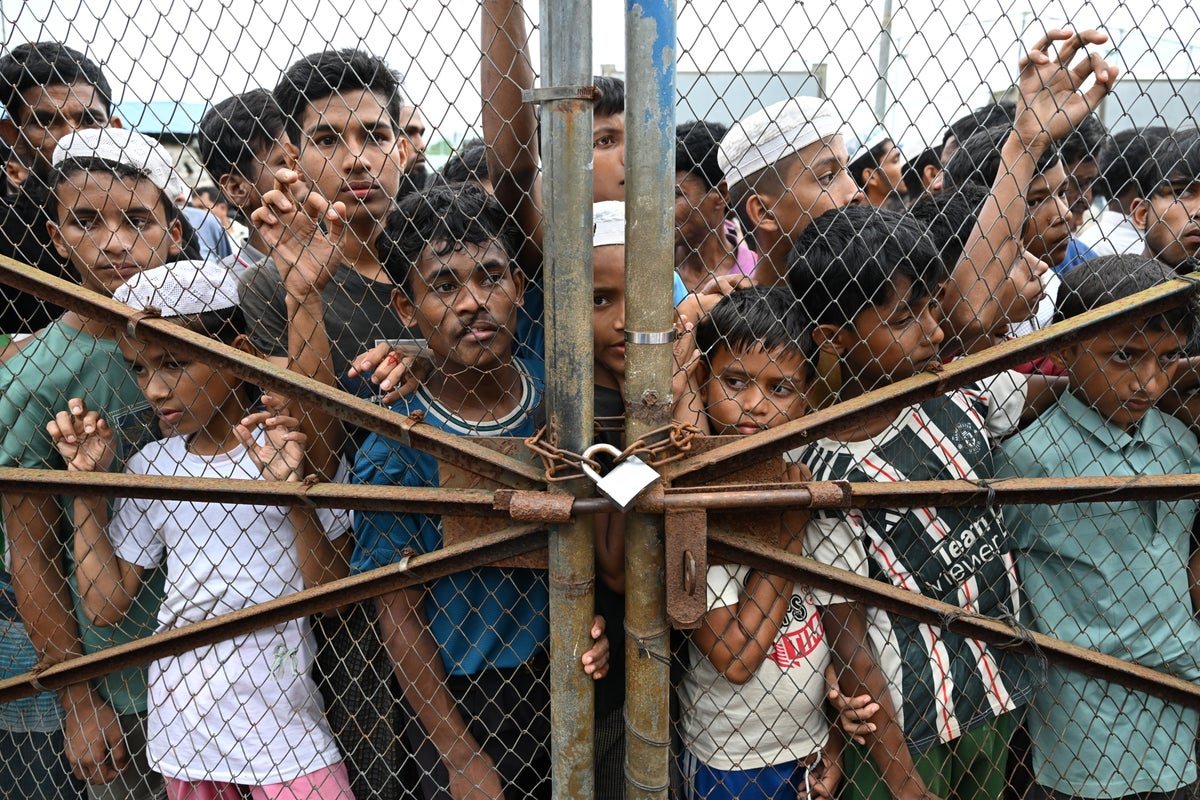
The International Court of Justice has ruled that Myanmar committed genocide against the Rohingya minority, making it the first country in history to be found guilty of the crime by the United Nations' top court. The judges in The Hague found Myanmar's security forces responsible for mass executions of men and boys and widespread rape of women during a brutal military campaign in 2017 that left thousands dead.
The verdict was reached by a nine-to-six majority of the panel. Its significance extends well beyond Myanmar. The ruling sets out a detailed framework for how the 1948 Genocide Convention should be applied when a government is accused of targeting a whole population group. Particular weight was given to assessing intent, which is often the hardest element to prove in such cases, and the judges laid out how that question should be approached in future proceedings.
The military campaign of 2017 drove large numbers of Rohingya Muslims out of Rakhine State and into neighbouring Bangladesh, where many remain in crowded camps. Accounts of killings, sexual violence and the burning of villages emerged in the months that followed and drew international condemnation. The court's findings give judicial weight to the testimony that survivors and human rights investigators have gathered over several years, and they confirm a version of events that the Rohingya have described for most of that time.
The decision was hailed by rights advocates as a rare moment of justice. Legal commentators have noted that it offers a roadmap for courts weighing evidence of intent, a question that has also come up in other international proceedings. Commentary has also pointed to the wider relevance of the verdict, with some observers suggesting that its reasoning on the genocide convention will be read closely by governments and lawyers facing similar accusations elsewhere, including in the Middle East.
For the Rohingya, the ruling is a formal acknowledgement of crimes they have long described, but it does not by itself return the dead or displaced to their homes. Many of those who fled in 2017 still live in camps in Bangladesh and face uncertain prospects for return. The judgment settles the legal question of genocide at the level of the UN's highest court, and it leaves the practical future of the Rohingya community to be shaped by politics, diplomacy and the many years that remain before its consequences can be measured.
Source: independent.co.uk
32