Ukrainian drone ace says air war has pushed danger 30km behind front line
A serving Ukrainian drone pilot who has destroyed 932 enemy unmanned aerial vehicles describes how cheap commercial models have transformed the battlefield, forcing troops underground and extending risk far beyond the front line.
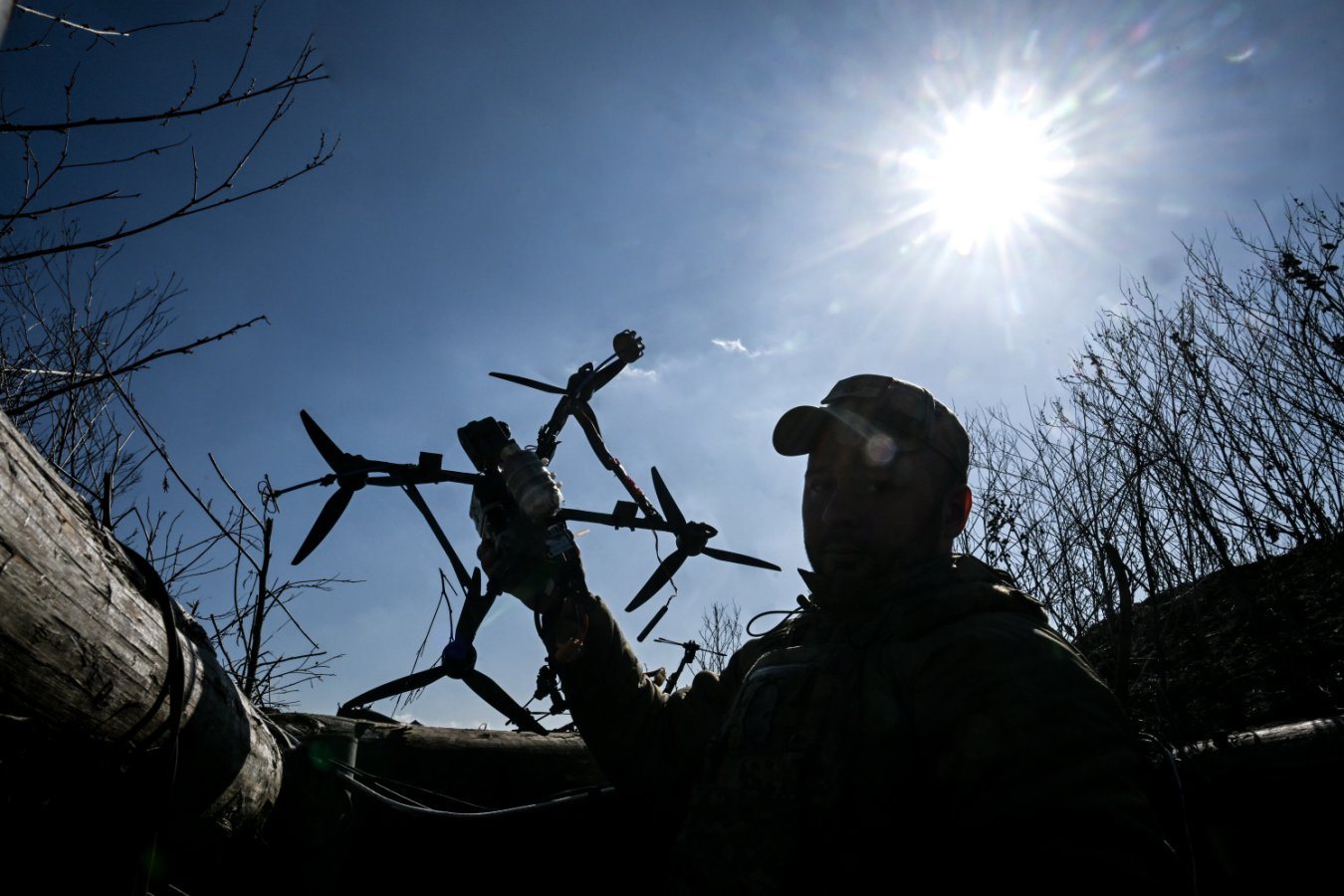
A serving Ukrainian drone pilot who has shot down 932 enemy unmanned aerial vehicles has described how the rapid spread of cheap commercial drones has transformed the war with Russia, pushing constant danger up to 30 kilometres behind the front line and forcing troops to spend most of their time underground.
The pilot, who joined the army on the day of the Russian invasion after studying computer science and securing an internship at a game company, said the contrast with the early months of the conflict was stark. Artillery once caused most of the damage, but drones now dominate the battlefield from the front line deep into rear areas. Positions that were previously considered safe for rest are no longer secure, he said, and the threat follows soldiers even to Kyiv, where he occasionally returns.
«Comparing the early days of the war to now, it’s like two different worlds,» the pilot said. «Now, drones are everywhere, from the front line all the way back 30 kilometres. It’s terrifying because you used to be able to come a little way back from the fighting for rest and feel completely safe.»
On the front line, he and his comrades spend about 90 per cent of their time in bunkers because of the risk of enemy drones. Every time they go outside, they risk being spotted and killed. He compared the living conditions to camping, but with a very different atmosphere.
The pilot has served in several roles, first as a reconnaissance drone operator, then flying bomber drones, and now conducting anti-drone missions in a regiment called Aquila under the control of the 3rd Army Corps. The unit specialises in intercepting everything from small first-person view drones to long-range kamikaze models aimed at Ukrainian cities. It uses short-range anti-aircraft guns, shoulder-launched rockets and drones, while his small team focuses on drone-to-drone combat above the front line.
He attributes his status as a top performer in his regiment and the wider army to long experience. His current priority is finding smaller FPV drones that carry out reconnaissance or hunt Ukrainian troops with explosives, and destroying them before they can cause harm. Russian forces often locate Ukrainian positions and target them with drones and artillery, and his team relies on information from ground troops to intercept the threat.
He recalled one operation to retake a village occupied by Russian forces. In a single day, Ukrainian troops erased all the progress Russia had made in a year, with drone pilots covering the advancing soldiers. When a wounded Ukrainian soldier was about to be bombed by a Russian drone, the team found and hit the drone at the last minute, saving his life. «It’s an amazing feeling,» he said.
Spotting small drones across miles of open land is as much an art as a science, according to the pilot. It requires imagining the enemy pilot’s intentions and hunting him in turn. His team divides tasks between assembling and arming drones, piloting them, and navigators who direct strikes and keep detailed logs of equipment and targets. Members are trained to step into any role if someone is injured.
During his most recent trip to the front line, the unit hit 180 targets in 20 days. Some missions end without a target being spotted, with low batteries forcing a return, and the team can fly up to 30 sorties a day.
Despite Ukraine’s development of advanced interceptors and other drones for specialised missions, most of the aircraft the pilot flies and shoots down are commercially available models. They are cheap, readily available and, in his words, good enough for war. Both Ukrainian and Russian forces buy the same Chinese models, a reality he described as «the world that we live in.»
He spoke of the destruction of what were once beautiful countryside and cities where real people lived, but said the land still holds potential to bring happiness and fulfilment. The war, he said, is as horrible as outsiders imagine, yet it is also a unique experience with stakes so high that everything matters. Having seen many people die and be injured, he has come to believe that every moment alive and every person met is important. «We don’t get to choose what happens to us, we just get to choose what we do with that,» he said.
5