UK Authorities Monitor Dinghy Carrying Migrants Toward South Coast
A small boat carrying around 120 migrants has departed from Normandy and is heading toward the UK's south coast, prompting authorities to prepare a response. Such departures from western France are rare, and the incident has drawn attention from protesters and local officials.
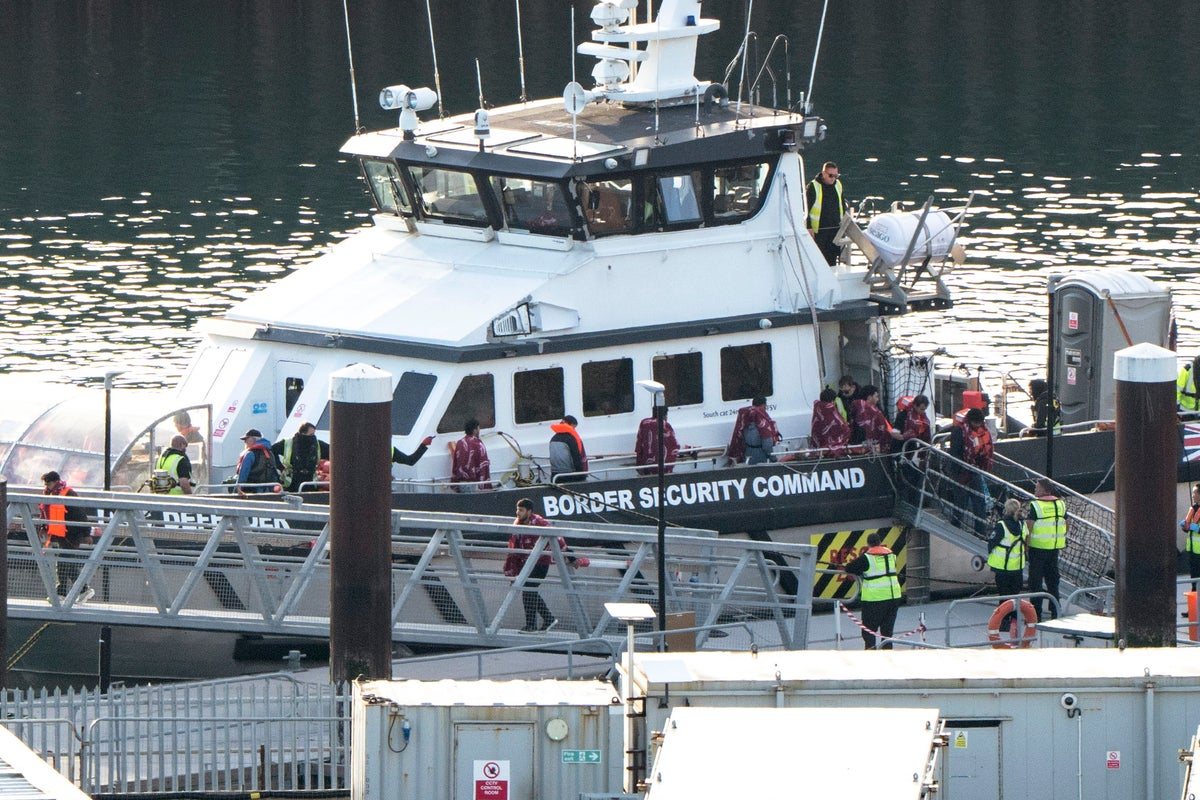
A small dinghy carrying approximately 120 migrants has set off from the Normandy coast of France and is heading toward the south coast of England, according to French media reports. UK authorities are preparing for a potential arrival, with border and maritime agencies monitoring the vessel's progress. The development marks a rare departure point for small boat crossings, as most recent launches have originated from the northern French coast near Calais and Dunkirk.
The boat was first reported by French media, which estimated the number of people on board at around 120. The vessel is believed to be making its way across the English Channel, one of the world's busiest shipping lanes. UK authorities, including the Border Force and the Royal National Lifeboat Institution, are on standby to respond if the dinghy reaches British waters. The RNLI, a charity that operates lifeboats around the UK and Irish coasts, has been involved in previous rescue operations involving small boats in the Channel.
Departures from as far west as Normandy have been rare in recent years, making this incident unusual. Most small boat launches have been concentrated along the northern French coastline, where migrants gather in camps near Calais and other ports before attempting the crossing. The shift in departure point could indicate changing tactics by people smugglers or shifting conditions on the ground. It also raises questions about the reach of French and UK surveillance operations, which have focused heavily on the northern stretch of the French coast.
The incident has also attracted attention from protesters. According to reports, demonstrators gathered in the French port town of Gosport, though the exact nature of their protest was not immediately clear. Gosport, located on the south coast of England, is near the route the dinghy is believed to be taking. The presence of protesters underscores the heightened political sensitivity around migration and small boat arrivals in the UK.
The UK government has faced sustained pressure over the number of migrants arriving by small boats in recent years. Thousands have made the dangerous crossing, often in overcrowded and unseaworthy vessels. The issue has become a flashpoint in British politics, with successive governments promising to crack down on people-smuggling networks and reduce arrivals. The involvement of the RNLI has also been controversial, with some critics arguing that rescue operations encourage more crossings, while the charity maintains it is simply saving lives.
French authorities have stepped up patrols along the northern coast in recent years, leading to a decline in launches from some traditional departure points. However, migrants and smugglers have adapted, sometimes moving to different beaches or using new methods. A departure from Normandy would represent a significant shift, potentially stretching resources and requiring a reassessment of surveillance strategies.
As the dinghy continues its journey, UK authorities are likely to face difficult decisions about how to respond. International maritime law requires vessels to assist those in distress at sea, and any interception or rescue operation would involve coordination between UK and French agencies. The outcome of this particular crossing could set a precedent for how future departures from western France are handled.
The incident also highlights the broader challenges facing European countries as they grapple with migration. While the number of small boat arrivals in the UK remains far lower than the peaks seen during the 2015–2016 migrant crisis, the political and social impact has been significant. The sight of protesters gathering near the coast serves as a reminder of the deep divisions the issue creates.
For now, authorities on both sides of the Channel are watching the dinghy's progress closely. The safety of those on board is paramount, and any rescue operation would prioritise saving lives. The incident is a reminder of the perilous nature of these crossings and the complex web of factors that drive people to attempt them.
4